Heavy-duty Forklift Buying Guide: Lithium Electric Forklift And Diesel Forklift
Buyers from steel warehouses, building material yards and heavy manufacturing workshops often struggle with equipment selection. If you are wondering Should You Choose Electric Or Diesel For Heavy-duty Forklift, this side-by-side comparison will help you avoid purchasing mistakes and select high-quality material handling equipment.
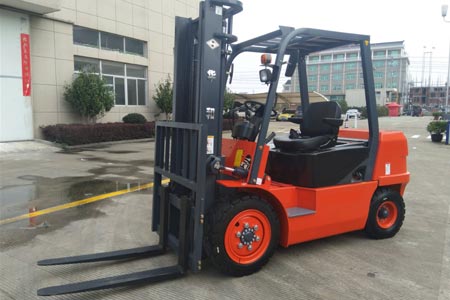
Lithium Electric 5 Ton Forklift
Application scenarios: Enclosed workshops, indoor raw material warehouses and factories with strict environmental protection supervision. It produces zero exhaust emissions and low operation noise to pass environmental inspections smoothly. Hydraulic lifting is stable and steady, so operators can precisely stack heavy steel and castings without colliding with racks and cargo. Drawbacks: Muddy ground and long steep slopes will reduce its traffic capacity. The driving range will shrink slightly in low-temperature weather, and dedicated charging space must be reserved.
Diesel 5 Ton Internal Combustion Forklift
Application scenarios: Outdoor storage yards, dock loading, construction yards and continuous two-shift or three-shift operations. The internal combustion engine provides strong torque. The truck starts easily under full load on bumpy dirt roads and steep ramps. Refueling only takes several minutes without downtime for charging, supporting all-day continuous heavy-duty work. Drawbacks: High exhaust and loud noise make it unsuitable for long-time work inside closed workshops. Urban factories may face strict environmental restrictions.
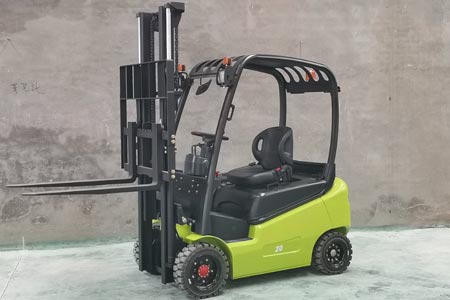
1. Continuous Operation Performance
Electric forklift: One single battery supports 6 to 8 hours of continuous work. Quick charging during lunch replenishes power efficiently. Spare batteries can be swapped for multi-shift production. Power delivery stays consistent without performance drop during long lifting tasks.
Diesel forklift: It can run nonstop as long as fuel is sufficient. It performs better in long-distance transport and frequent loading of oversized goods, perfectly matching high-intensity nonstop yard operations.
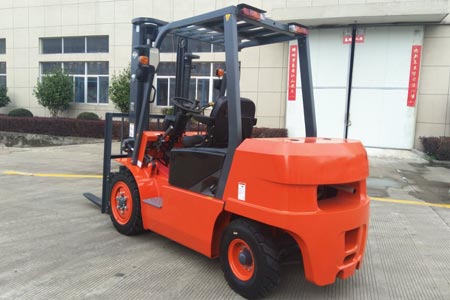
2. Five-year Long-term Cost Difference
Initial investment: The lithium electric model costs more than the diesel version with the same 5-ton specification. Daily energy cost: Electricity bills are much lower than diesel fuel expenses, which creates huge savings for year-round frequent operation. Maintenance work: Diesel forklifts require regular oil and filter replacement plus exhaust system cleaning, with plenty of wearable engine parts and annual maintenance items. The 5 Ton Industrial Forklift with electric power has no internal combustion engine. The brushless motor has almost zero wear, requiring only basic inspection of hydraulic systems and circuits, so long-term maintenance costs remain extremely low.
You can pick the proper 5 Ton Industrial Forklift according to all the above factors. Please feel free to get in touch with me, and I will offer targeted solutions.
-
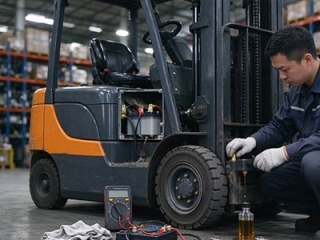 Reliability Of Newnewton Warehouse Forklifts For Heavy-Duty ShiftsWarehouse forklift reliability relies on industrial parts, reinforced frames and factory durability tests. Proper operation and maintenance reduce unexpected downtime.
Do you like ?0
Read more -
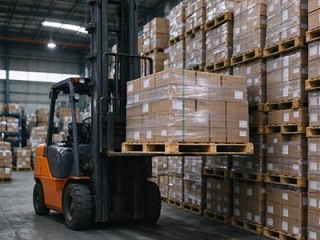 Forklift Configuration Strategy For Dense Warehousing, Warehouse ForkliftDense warehousing needs matched forklifts besides racks. Reach and trilateral stackers fit different layouts, coordinate aisle, load curve and floor for smooth handling.
Do you like ?0
Read more -
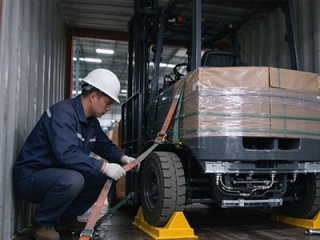 Full Container Supply For Export Forklifts, Forklift ManufacturerBulk forklift orders for overseas can ship by FCL or LCL. Newnewton FCL offers stable freight, safer packing and mixed models for large purchases.
Do you like ?0
Read more -
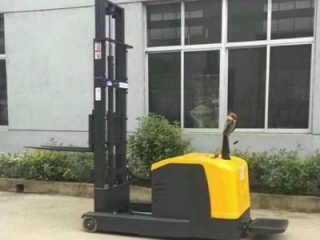 Stand-on Reach Stacker For Narrow Aisle Stacking, Mast Reach StructureStand-on reach stackers feature sliding masts that stay outside racks. They boost storage density in narrow aisles and require flat floors and standard pallets.
Do you like ?0
Read more -
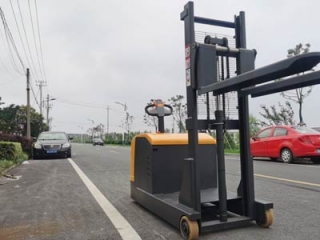 Stand-on Counterbalance Stacker For Various Pallets, Why No Leg RestrictionCounterbalance stackers have no front outriggers, using rear counterweight to avoid pallet interference. They fit various odd pallets yet need wider warehouse aisles.
Do you like ?0
Read more -
 Custom Walk-Behind Counterbalance Stacker | Non-Standard ModificationsStandard walk-behind counterbalance stackers struggle with non-standard pallets and tight aisles. Customize load, lift, forks and structure, share working conditions for safe design.
Do you like ?0
Read more