
Working Principle of Internal Combustion Forklift & Fuel Saving Tips
Rising fuel cost pushes warehouse owners to cut fuel expense without downgrading daily operation. Mastering the Working Principle of Internal Combustion Forklift helps reduce energy waste effectively and slash operating cost.
Engine Optimized Fuel-saving Design for Energy-saving Diesel Forklift
Equipped with high-pressure common rail injection system, electronic control accurately regulates injection volume and timing for finer fuel atomization, lifting combustion efficiency by 25% and eliminating idle fuel waste. Matching turbocharger intake boosts air oxygen content to output rated torque at low RPM, no heavy throttle needed during startup and loading.
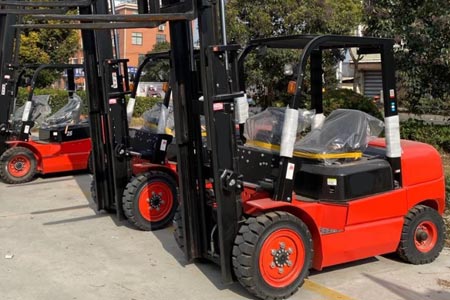
Optimized combustion chamber with matched compression ratio ensures full diesel combustion even under low-speed heavy load. Old naturally aspirated engines suffer poor air intake and incomplete combustion under load, the top cause of doubled fuel consumption.
Practical Operation Tips to Save Fuel
Standard start-stop to cut idle waste Warm up 30 seconds only in cold start; never idle over 3 minutes for waiting. Shut down fully during long break as one-hour idle burns around 2.5L diesel. Leave 15-second gap between repeated ignition in low temperature.
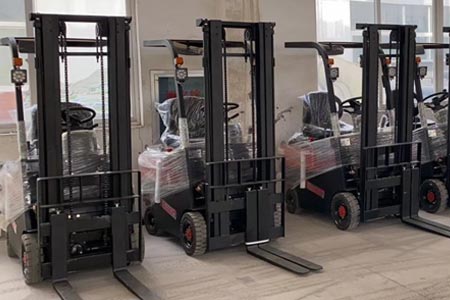
Gentle operation against rough driving Slow throttle for startup, avoid sudden acceleration; keep steady medium speed while loaded to cut high wind drag loss. Release throttle ahead of turning and slide by inertia instead of frequent braking; lift forks in one smooth stroke to avoid repeated empty hydraulic operation.
Standard loading without overload or offset cargo 20% overload leads to 35% higher fuel consumption. Center goods to avoid extra rolling and steering resistance; combine short-distance orders to cut empty backhaul trips.
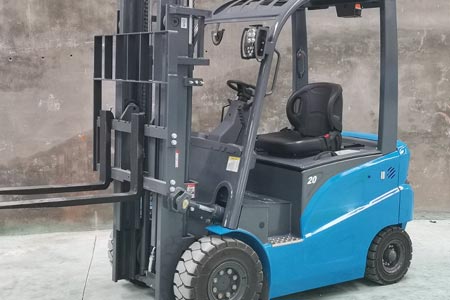
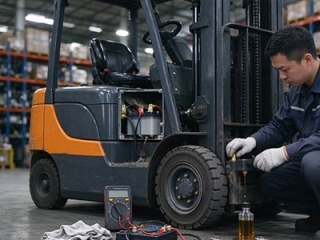
Regular maintenance to keep optimal vehicle condition Replace air filter every 500 working hours; clogged filter causes 15% extra fuel cost from insufficient air supply. Renew diesel filter and engine oil on schedule; check tire pressure and seal hydraulic pipes to stop oil leakage and pressure loss.
Optimize driving route to cut unnecessary mileage Plan loading route in advance, arrange rack layout properly to shorten travel distance and reduce frequent turning and shifting.
After learning the Fuel-saving Principle of Energy-saving Diesel Forklift, operators can effectively lower overall fuel and maintenance expenditure. Feel free to contact us for free professional consultation.
-
 Reliability Of Newnewton Warehouse Forklifts For Heavy-Duty ShiftsWarehouse forklift reliability relies on industrial parts, reinforced frames and factory durability tests. Proper operation and maintenance reduce unexpected downtime.
Do you like ?0
Read more -
 Forklift Configuration Strategy For Dense Warehousing, Warehouse ForkliftDense warehousing needs matched forklifts besides racks. Reach and trilateral stackers fit different layouts, coordinate aisle, load curve and floor for smooth handling.
Do you like ?0
Read more -
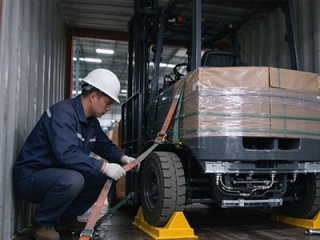 Full Container Supply For Export Forklifts, Forklift ManufacturerBulk forklift orders for overseas can ship by FCL or LCL. Newnewton FCL offers stable freight, safer packing and mixed models for large purchases.
Do you like ?0
Read more -
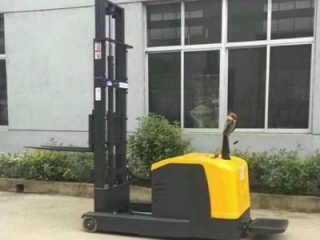 Stand-on Reach Stacker For Narrow Aisle Stacking, Mast Reach StructureStand-on reach stackers feature sliding masts that stay outside racks. They boost storage density in narrow aisles and require flat floors and standard pallets.
Do you like ?0
Read more -
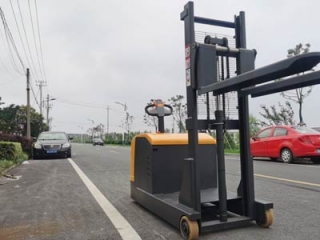 Stand-on Counterbalance Stacker For Various Pallets, Why No Leg RestrictionCounterbalance stackers have no front outriggers, using rear counterweight to avoid pallet interference. They fit various odd pallets yet need wider warehouse aisles.
Do you like ?0
Read more -
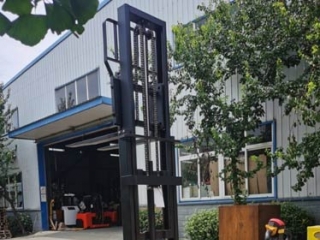 Custom Walk-Behind Counterbalance Stacker | Non-Standard ModificationsStandard walk-behind counterbalance stackers struggle with non-standard pallets and tight aisles. Customize load, lift, forks and structure, share working conditions for safe design.
Do you like ?0
Read more








