Are you troubled by loud noise from diesel forklifts that affects operation and even harms operators? How to Fix Loud Noise in Diesel Forklifts? Let’s look at the main causes and effective solutions.
Main Causes
Engine noise: Diesel engines naturally produce more noise than electric models. Older or worn engines are even louder.
Exhaust system issues (most common): Leaking pipes, damaged mufflers or worn gaskets are the top reasons for increased noise.
Cooling fan noise: Deformed fan blades, loose covers or worn bearings cause harsh whistling or metallic sounds.
Hydraulic system noise: Insufficient oil, worn pumps, air in the system or pipe resonance lead to humming or squealing.
Transmission & chain noise: Low gear oil, loose drive shafts, dry chains or rollers cause clunking sounds.
Loose body parts & resonance: Loose overhead guards, hoods or screws create extra vibration noise.
Lack of maintenance: Worn pistons, cylinders, valves or nozzles cause knocking and rough noise.
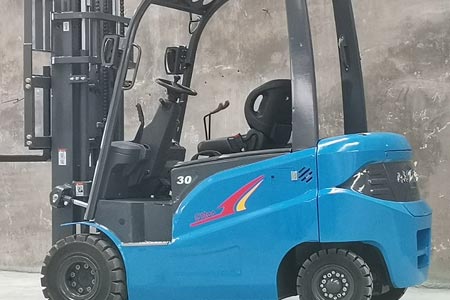
Solutions
1.Check the exhaust system first
Inspect for leaks or damage on the exhaust pipe and muffler
Replace worn gaskets and tighten bolts
Replace a broken muffler for immediate noise reduction
2.Engine maintenance
Use proper diesel and engine oil for complete combustion
Adjust valve clearance to reduce knocking
Clean or replace nozzles to avoid uneven combustion
Overhaul worn engines to restore normal noise levels
3.Fix hydraulic noise
Refill or replace hydraulic oil and remove air from lines
Replace worn hydraulic pumps or control valves
Secure pipes to prevent resonance
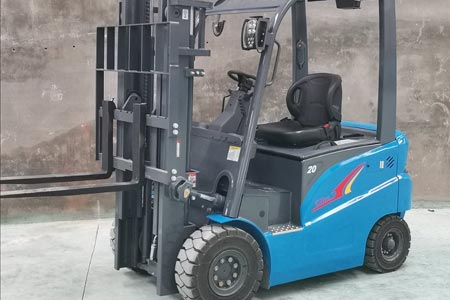
4.Reduce cooling & transmission noise
Replace worn fans and bearings
Lubricate chains, rollers and mast guides
Check transmission oil and tighten transmission parts
5.Eliminate body resonance
Tighten all screws, hoods and covers
Add rubber pads to loose parts for shock absorption
Replace worn engine mounts
6.Long-term noise prevention
Stick to a regular maintenance schedule
Avoid high-speed idling for long periods
Drive at low speeds and avoid sudden acceleration
Use silent mufflers or add sound insulation for severe cases
Understanding these Causes and Solutions for Noisy Diesel Forklifts helps you troubleshoot effectively and ensure quieter, smoother forklift operation.
-
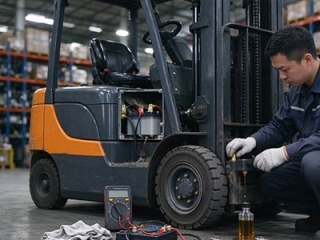 Reliability Of Newnewton Warehouse Forklifts For Heavy-Duty ShiftsWarehouse forklift reliability relies on industrial parts, reinforced frames and factory durability tests. Proper operation and maintenance reduce unexpected downtime.
Do you like ?0
Read more -
 Forklift Configuration Strategy For Dense Warehousing, Warehouse ForkliftDense warehousing needs matched forklifts besides racks. Reach and trilateral stackers fit different layouts, coordinate aisle, load curve and floor for smooth handling.
Do you like ?0
Read more -
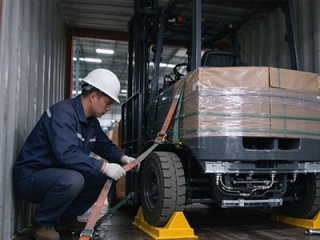 Full Container Supply For Export Forklifts, Forklift ManufacturerBulk forklift orders for overseas can ship by FCL or LCL. Newnewton FCL offers stable freight, safer packing and mixed models for large purchases.
Do you like ?0
Read more -
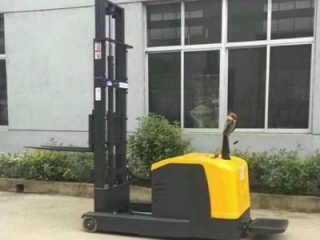 Stand-on Reach Stacker For Narrow Aisle Stacking, Mast Reach StructureStand-on reach stackers feature sliding masts that stay outside racks. They boost storage density in narrow aisles and require flat floors and standard pallets.
Do you like ?0
Read more -
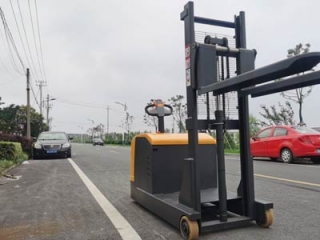 Stand-on Counterbalance Stacker For Various Pallets, Why No Leg RestrictionCounterbalance stackers have no front outriggers, using rear counterweight to avoid pallet interference. They fit various odd pallets yet need wider warehouse aisles.
Do you like ?0
Read more -
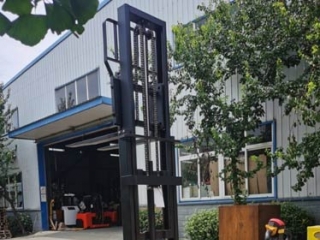 Custom Walk-Behind Counterbalance Stacker | Non-Standard ModificationsStandard walk-behind counterbalance stackers struggle with non-standard pallets and tight aisles. Customize load, lift, forks and structure, share working conditions for safe design.
Do you like ?0
Read more