
What should the electric hydraulic forklift do before driving?
Many friends have had this kind of problem: the electric hydraulic forklift just started to work, and this or that kind of problem appeared soon, but they haven't had time to do any complicated work, nor any non-standard operation behavior. The electric forklift manufacturer told us that this was not caused by our work for a short period of time, but an existing problem. The reason why we found that the work efficiency was delayed after we put into work is that we did not check and prepare before work. Now, the electric forklift manufacturer will tell you what electric hydraulic forklift needs to do before driving.
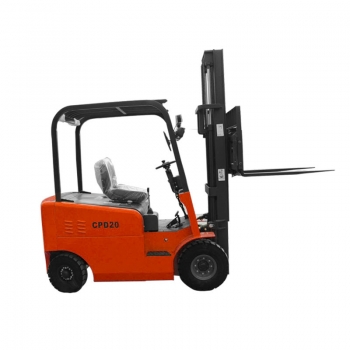
Before driving the electric hydraulic forklift, we need to check the height and density of the battery electrolyte. Under normal conditions, the liquid level should be 10-15mm higher than the partition. The density of electrolyte shall meet the requirements of local time zone and season. The single cell voltage of the battery shall not be lower than 1.75V, and the voltage of the whole vehicle shall not be lower than the minimum limit voltage. For example, the voltage of 0.4t electric forklift and 0.5t electric forklift of the electric forklift manufacturer is 20V, and the voltage of 2t electric forklift is 35V. If the requirements are not met, electrolyte shall be supplemented. The electric forklift manufacturer reminds that the electricity must be sufficient before working, and the electrode connector must be clean and fastened.
Before driving the electric hydraulic forklift, check the power circuit. All power lines should be firmly connected and in good contact. The fuses should also be in good condition. All switches and handles should be placed at the specified positions. Check whether the instrument, lighting equipment and horn work normally. Also check whether the steering system and braking system are flexible, and whether the bearings and relevant running parts can operate well. Check the electric hydraulic forklift for oil leakage. Check whether the fork, lifting chain and mast can operate smoothly. The electric forklift manufacturer reminds us that we must check whether the electric forklift has faults and eliminate hidden dangers in time.
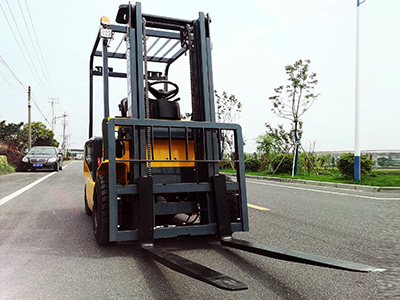
The above is what should be done before driving an electric hydraulic forklift. No matter what type of electric forklift, systematic inspection shall be carried out before operation to ensure that all parts can operate normally. The electric forklift manufacturer believes that this can not only ensure the work efficiency, but also ensure the safe operation of drivers, killing two birds with one stone.
-
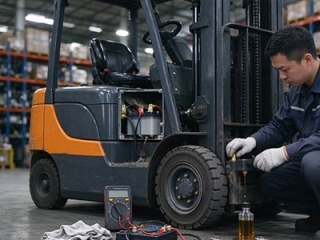 Reliability Of Newnewton Warehouse Forklifts For Heavy-Duty ShiftsWarehouse forklift reliability relies on industrial parts, reinforced frames and factory durability tests. Proper operation and maintenance reduce unexpected downtime.
Do you like ?0
Read more -
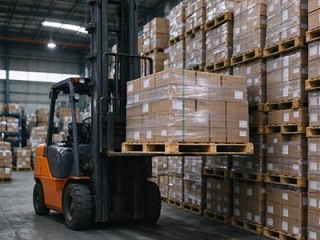 Forklift Configuration Strategy For Dense Warehousing, Warehouse ForkliftDense warehousing needs matched forklifts besides racks. Reach and trilateral stackers fit different layouts, coordinate aisle, load curve and floor for smooth handling.
Do you like ?0
Read more -
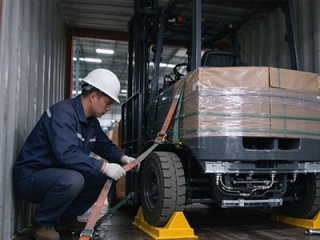 Full Container Supply For Export Forklifts, Forklift ManufacturerBulk forklift orders for overseas can ship by FCL or LCL. Newnewton FCL offers stable freight, safer packing and mixed models for large purchases.
Do you like ?0
Read more -
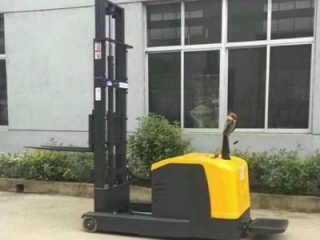 Stand-on Reach Stacker For Narrow Aisle Stacking, Mast Reach StructureStand-on reach stackers feature sliding masts that stay outside racks. They boost storage density in narrow aisles and require flat floors and standard pallets.
Do you like ?0
Read more -
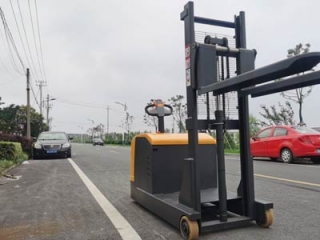 Stand-on Counterbalance Stacker For Various Pallets, Why No Leg RestrictionCounterbalance stackers have no front outriggers, using rear counterweight to avoid pallet interference. They fit various odd pallets yet need wider warehouse aisles.
Do you like ?0
Read more -
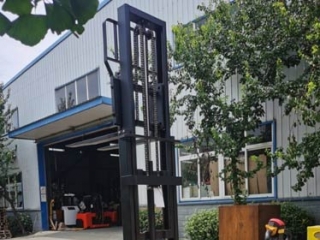 Custom Walk-Behind Counterbalance Stacker | Non-Standard ModificationsStandard walk-behind counterbalance stackers struggle with non-standard pallets and tight aisles. Customize load, lift, forks and structure, share working conditions for safe design.
Do you like ?0
Read more








