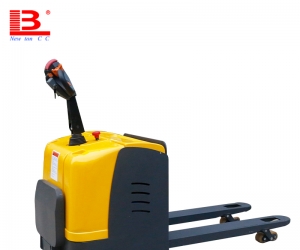
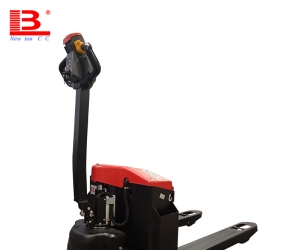
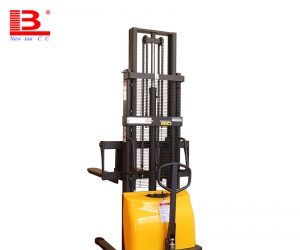
How to Choose a Walk-behind Electric Pallet Truck | Factory Procurement Guide
When it comes to Factory Procurement of Electric Pallet Trucks, many buyers only compare prices and neglect load capacity and on-site conditions, resulting in frequent malfunctions and higher hidden costs later. Scientific selection needs multi-dimensional reference. This 2026 practical guide helps factories pick cost-effective equipment to realize stable operation and long-term cost savings.
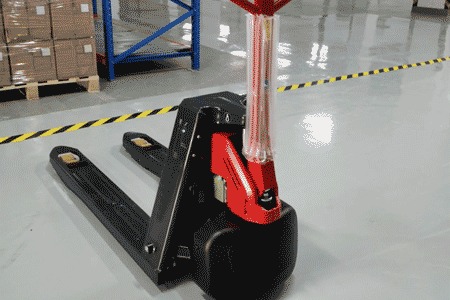
First, confirm daily cargo weight and working environment. Light industry and e-commerce warehouses can choose 1.5 ton to 2 ton models. For hardware, building materials and heavy-load scenarios, 2 ton to 3 ton reinforced versions are recommended to avoid frame deformation and motor damage caused by overloading. Narrow aisles require compact bodies with a small turning radius, while rough ground needs reinforced chassis and solid wheels for better trafficability.
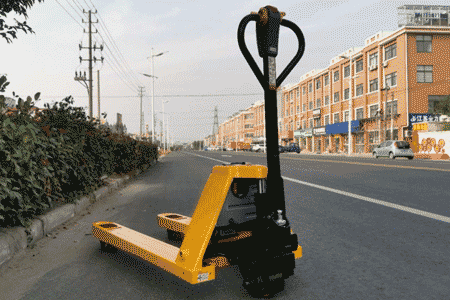
Secondly, select the battery type according to operating costs. Lead-acid batteries feature low initial cost and simple maintenance, ideal for low-frequency workshops with limited budgets. Lithium batteries support fast charging, longer endurance and flexible intermittent charging. They are more suitable for double-shift and high-intensity production areas, effectively lowering long-term failure rates and comprehensive consumption.
Pay attention to core configurations and overall durability. The frame, driving motor and hydraulic system determine overall performance. High-strength integrated frames, brushless motors and fully sealed hydraulic cylinders ensure stable load capacity, low noise, oil leakage resistance and daily operational stability. Complete safety designs such as brakes, bumpers and emergency stop buttons can greatly reduce on-site safety risks.
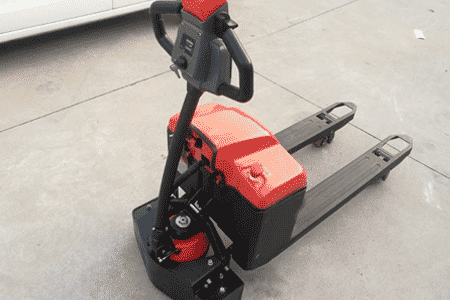
In conclusion, by evaluating load demand, battery matching and core quality, buyers can clearly master How to Select a Walk-behind Electric Pallet Truck. If you have any procurement or model selection questions, Newnewton Forklift provides professional one-on-one technical support and customized solutions for all factory handling demands.
-
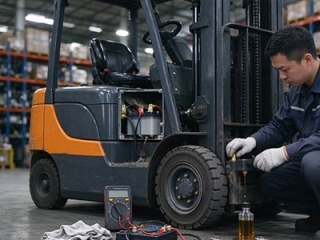 Reliability Of Newnewton Warehouse Forklifts For Heavy-Duty ShiftsWarehouse forklift reliability relies on industrial parts, reinforced frames and factory durability tests. Proper operation and maintenance reduce unexpected downtime.
Do you like ?0
Read more -
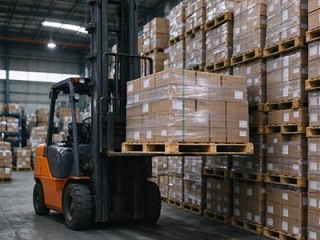 Forklift Configuration Strategy For Dense Warehousing, Warehouse ForkliftDense warehousing needs matched forklifts besides racks. Reach and trilateral stackers fit different layouts, coordinate aisle, load curve and floor for smooth handling.
Do you like ?0
Read more -
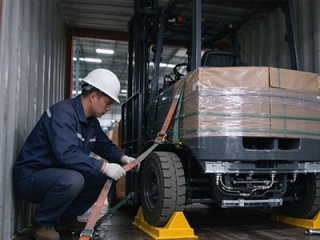 Full Container Supply For Export Forklifts, Forklift ManufacturerBulk forklift orders for overseas can ship by FCL or LCL. Newnewton FCL offers stable freight, safer packing and mixed models for large purchases.
Do you like ?0
Read more -
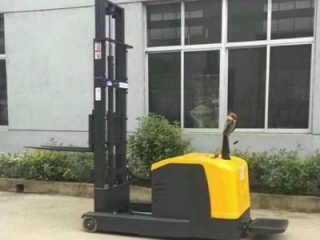 Stand-on Reach Stacker For Narrow Aisle Stacking, Mast Reach StructureStand-on reach stackers feature sliding masts that stay outside racks. They boost storage density in narrow aisles and require flat floors and standard pallets.
Do you like ?0
Read more -
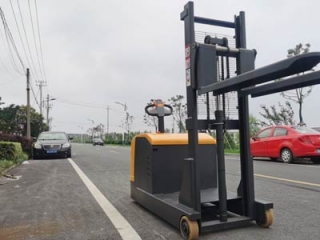 Stand-on Counterbalance Stacker For Various Pallets, Why No Leg RestrictionCounterbalance stackers have no front outriggers, using rear counterweight to avoid pallet interference. They fit various odd pallets yet need wider warehouse aisles.
Do you like ?0
Read more -
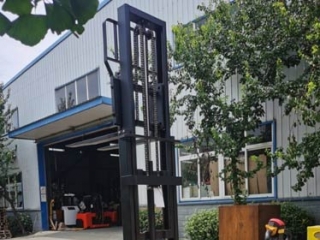 Custom Walk-Behind Counterbalance Stacker | Non-Standard ModificationsStandard walk-behind counterbalance stackers struggle with non-standard pallets and tight aisles. Customize load, lift, forks and structure, share working conditions for safe design.
Do you like ?0
Read more