Does reach stacker break down easily? Master maintenance and repair skills to cut costs effectively.
Reach stacker runs frequent forward extension and stacking operations daily, which causes faster wear on mast, hydraulic system and electric circuits, leading to unexpected downtime and high repair costs. In fact, most failures are caused by improper operation and insufficient daily care. Mastering professional reach stacker maintenance and repair methods can greatly reduce failure rate and save plenty of after-sales expenses.
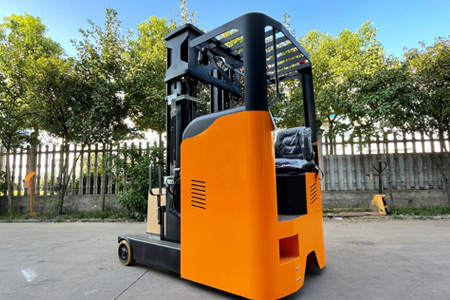
Core Daily Maintenance Tips
Guide Rail and Roller Care
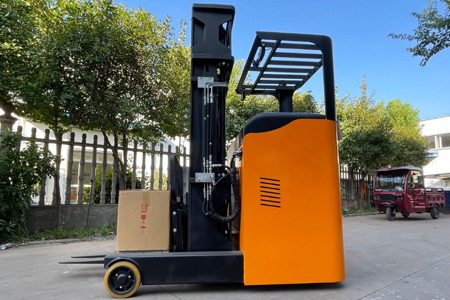
Clean dust and debris on the guide rail every day, and fill with special grease regularly to ensure smooth forward and backward movement. Inspect roller wear timely and adjust clearance in time to avoid shaking and position deviation during operation.
Mast Chain and Hydraulic System Maintenance
Evenly apply lubricant to lifting chains of electric reach stacker regularly to keep consistent tightness and prevent tilting and abnormal noise while lifting. Check hydraulic oil level and quality on schedule, replace deteriorated oil immediately, and fasten pipe joints to stop oil leakage and cargo slipping caused by pressure loss.
Battery and Electric Control System Upkeep
Avoid storing lithium battery in low power state, charge it timely after use and keep all wiring terminals tight. Clean dust and water stains on controller and motor after work, do well in waterproof and dustproof work to prevent short circuit, button failure and insufficient driving power.
Travel and Brake Parts Inspection
Adjust brake tightness regularly and check brake pad wear to ensure sensitive and stable braking performance. Replace severely worn drive wheels and load-bearing wheels in time to prevent slipping and unstable running.
Forward Limit Structure Maintenance
Frequently check front and rear travel limit switches, prohibit over-travel operation, protect forward hydraulic cylinders and mechanical structures against deformation and damage, and extend the overall service life of the vehicle.
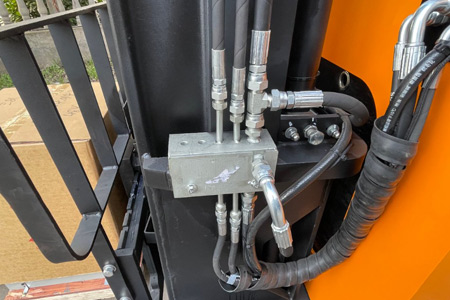
In high-intensity working scenarios, daily care for ride-on reach stacker is indispensable. Neglecting regular maintenance will cause gradual damage to core components, shorten service life and increase long-term maintenance cost.
If you still have questions about reach stacker maintenance and repair, feel free to contact us for professional guidance.
-
 Reliability Of Newnewton Warehouse Forklifts For Heavy-Duty ShiftsWarehouse forklift reliability relies on industrial parts, reinforced frames and factory durability tests. Proper operation and maintenance reduce unexpected downtime.
Do you like ?0
Read more -
 Forklift Configuration Strategy For Dense Warehousing, Warehouse ForkliftDense warehousing needs matched forklifts besides racks. Reach and trilateral stackers fit different layouts, coordinate aisle, load curve and floor for smooth handling.
Do you like ?0
Read more -
 Full Container Supply For Export Forklifts, Forklift ManufacturerBulk forklift orders for overseas can ship by FCL or LCL. Newnewton FCL offers stable freight, safer packing and mixed models for large purchases.
Do you like ?0
Read more -
 Stand-on Reach Stacker For Narrow Aisle Stacking, Mast Reach StructureStand-on reach stackers feature sliding masts that stay outside racks. They boost storage density in narrow aisles and require flat floors and standard pallets.
Do you like ?0
Read more -
 Stand-on Counterbalance Stacker For Various Pallets, Why No Leg RestrictionCounterbalance stackers have no front outriggers, using rear counterweight to avoid pallet interference. They fit various odd pallets yet need wider warehouse aisles.
Do you like ?0
Read more -
 Custom Walk-Behind Counterbalance Stacker | Non-Standard ModificationsStandard walk-behind counterbalance stackers struggle with non-standard pallets and tight aisles. Customize load, lift, forks and structure, share working conditions for safe design.
Do you like ?0
Read more