
Five Major Dangerous Operations Warning for Manual Hydraulic Forklifts
Core Regulations for Safe Operation of Manual Hydraulic Forklifts: Guidelines to Avoid Five Major Dangerous Behaviors In the industrial handling sector, the safe operation of manual hydraulic forklifts is crucial. To ensure operational safety, it is essential to strictly adhere to the 'Five Prohibitions' principles and eliminate the following dangerous behaviors to prevent safety accidents.
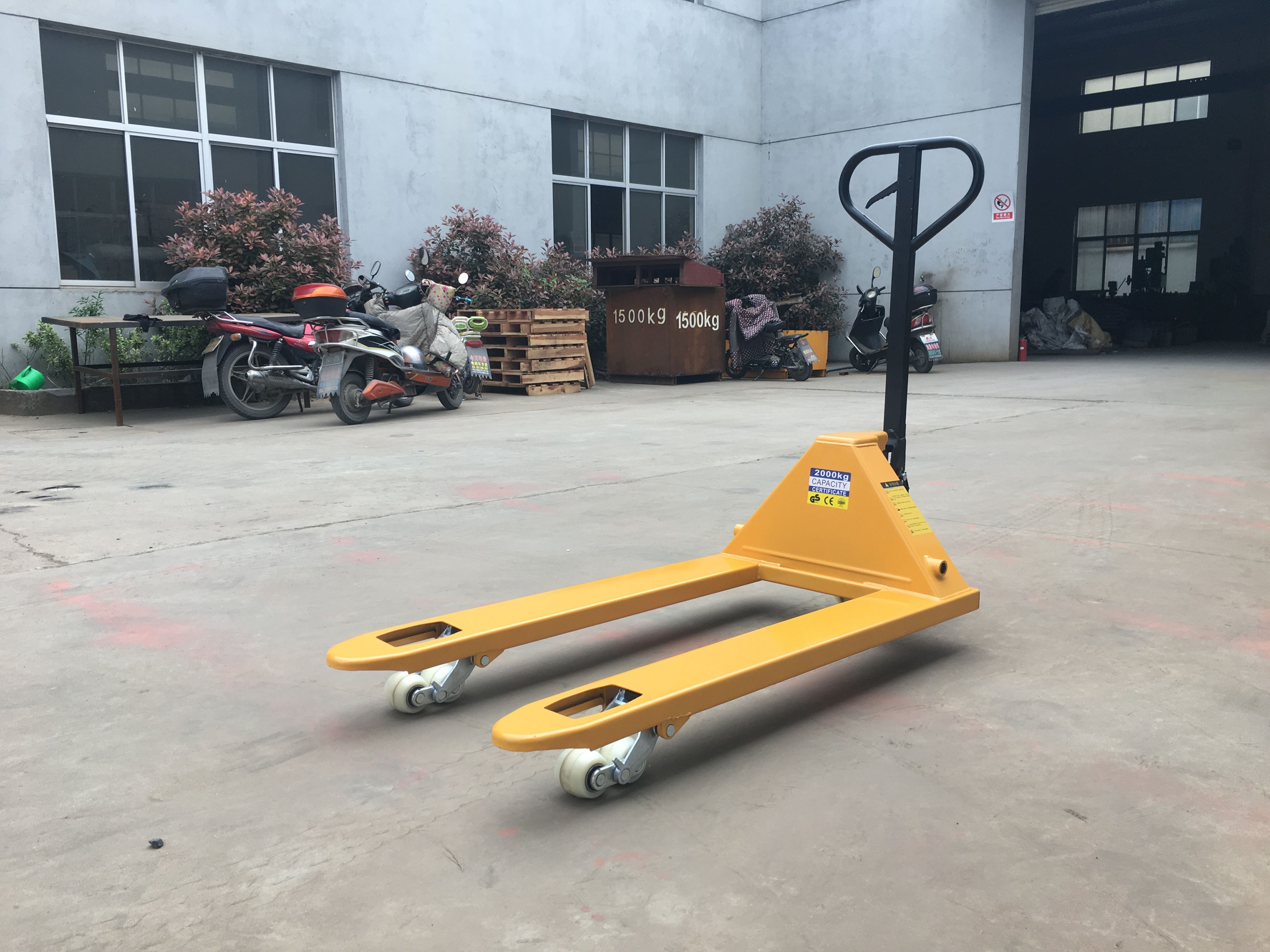
1. Strictly Prohibit Overloading Every manual hydraulic forklift has its load limit; this 'limit' is a key indicator for ensuring the forklift operates safely and stably. Generally, the rated load information will be clearly marked in a prominent position on the forklift chassis, which is an important reference for safe operation. Overloading can cause significant damage to the forklift, potentially leading to hydraulic system overload, fork deformation, or even breakage. Therefore, before transporting goods, it is crucial to carefully check the weight of the goods and avoid the dangerous mindset of ‘just carrying one more box’ that can lead to fatal safety risks. Analyzing the Source of Danger The rated load of manual hydraulic forklifts is determined by various factors, including the performance of hydraulic cylinders and the thickness of fork steel. Once overloaded, a series of serious consequences can ensue: Hydraulic Oil Hose Bursting: When pressure increases sharply, the hose joint may not withstand high pressure, spraying high-temperature hydraulic oil, which can damage the equipment and potentially injure operators through burns. Permanent Deformation of Forks: Overloading can cause the forks to bend in ways that are not visually noticeable; this deformation can reduce the load-bearing capacity during subsequent uses, increasing operational risks. Axle Breakage: Under heavy loads, the steering axle bears tremendous pressure and is prone to breaking, leading to sudden loss of control of the forklift and causing unpredictable accidents. Key Points for Safe Operation Accurately Calculate Weight: When calculating the gross weight of goods, multiply the weight of individual items by their quantity, and do not overlook the weight of the pallet to ensure accurate data. Strictly Follow Labels: Carefully review the 'Rated Load' indicated on the forklift nameplate; for instance, if marked as 2000kg, that is the maximum load value for the forklift. To ensure safety, it is recommended to reserve a 10% safety margin to avoid operating at full capacity. Reasonably Select Equipment: For overweight goods, it is necessary to switch to a forklift with a higher carrying capacity; never forcefully use equipment that does not meet requirements for handling.
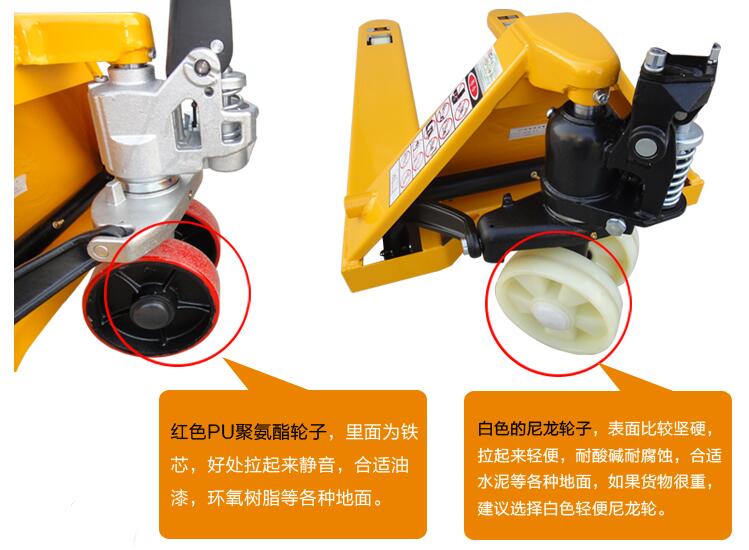
2. Eliminate Uneven Single-Fork Operations When using manual hydraulic forklifts to transport goods, maintaining balance is an important prerequisite for safety. Goods must be evenly placed on both forks, and unilateral load-bearing is strictly prohibited. Uneven loading on a single fork can easily lead to forklift tipping over or serious accidents such as goods falling. During operation, ensure that the goods are centered, and use straps to secure the load if necessary to prevent accidents due to shifting center of gravity.
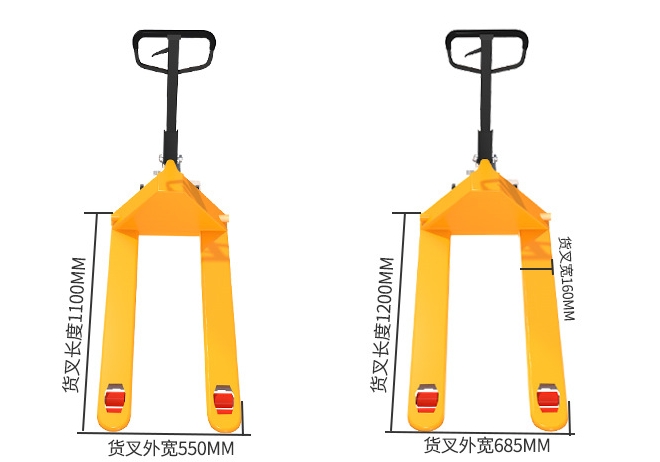
Real Warning CaseOnce, a warehouse worker illegally used single-fork operation to pry a stuck pallet. During the operation, the fork suddenly side-slipped, and the forklift handle rebounded, striking the operator's liver, resulting in severe injury. This case profoundly warns us that single-fork offloading operations pose enormous safety risks.Danger Principle ExplanationWhen the single fork bears weight, the structure of the forklift creates a 'lever effect', leading to a series of dangers:Lateral Overturning: A shift in the center of gravity breaks the balance of the forklift, causing it to tip over, resulting in the cargo falling onto the operator, causing serious injuries.Fork Twisting: A single-sided fork bearing all the weight will experience immense pressure, potentially leading to a break from the base and causing cargo to drop.Handle Loss of Control: When unbalanced, the hydraulic system's pressure distribution becomes uneven, leading to the handle suddenly rebounding, which can cause the operator to lose control of the forklift and trigger an accident.Correct Operating RegulationsDouble Fork Center Placement: The width of the cargo should cover at least 2/3 of both forks to ensure that the cargo is evenly distributed over the two forks, maintaining the balance of the forklift.Symmetrical Stacking and Fixation: For loose cargo, wrapping film should be used to secure it, preventing the center of gravity from shifting during transportation due to movement.Prohibit Prying Operations: When encountering a stuck pallet, professional tools like pry bars should be used for assistance, and forks should never be used for hard prying to avoid danger.
-
 Reliability Of Newnewton Warehouse Forklifts For Heavy-Duty ShiftsWarehouse forklift reliability relies on industrial parts, reinforced frames and factory durability tests. Proper operation and maintenance reduce unexpected downtime.
Do you like ?0
Read more -
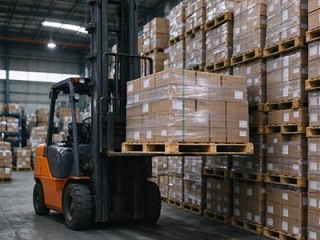 Forklift Configuration Strategy For Dense Warehousing, Warehouse ForkliftDense warehousing needs matched forklifts besides racks. Reach and trilateral stackers fit different layouts, coordinate aisle, load curve and floor for smooth handling.
Do you like ?0
Read more -
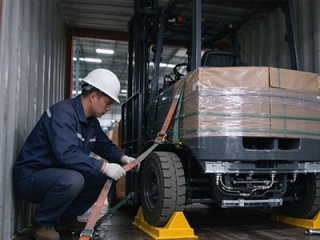 Full Container Supply For Export Forklifts, Forklift ManufacturerBulk forklift orders for overseas can ship by FCL or LCL. Newnewton FCL offers stable freight, safer packing and mixed models for large purchases.
Do you like ?0
Read more -
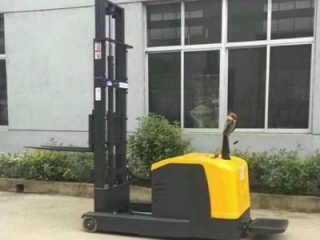 Stand-on Reach Stacker For Narrow Aisle Stacking, Mast Reach StructureStand-on reach stackers feature sliding masts that stay outside racks. They boost storage density in narrow aisles and require flat floors and standard pallets.
Do you like ?0
Read more -
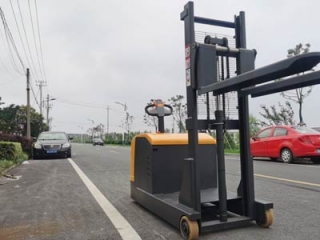 Stand-on Counterbalance Stacker For Various Pallets, Why No Leg RestrictionCounterbalance stackers have no front outriggers, using rear counterweight to avoid pallet interference. They fit various odd pallets yet need wider warehouse aisles.
Do you like ?0
Read more -
 Custom Walk-Behind Counterbalance Stacker | Non-Standard ModificationsStandard walk-behind counterbalance stackers struggle with non-standard pallets and tight aisles. Customize load, lift, forks and structure, share working conditions for safe design.
Do you like ?0
Read more








