
Forklift is a kind of mechanical vehicle that can be seen everywhere now. It can be seen in ports, docks, airports, amusement parks, factories, warehouses and some large supermarkets. With the progress of technology, forklifts are not only limited to traditional internal combustion forklift and manual forklifts, but also all kinds of electric forklifts, such as straddle reach trucks, electric pallet stackers and electric pallet jacks. They are favored by all walks of life. In the past two years, we also launched driverless forklifts, which greatly saved manpower and improved work efficiency. Today, the forklift manufacturer will tell you about the history of forklift.
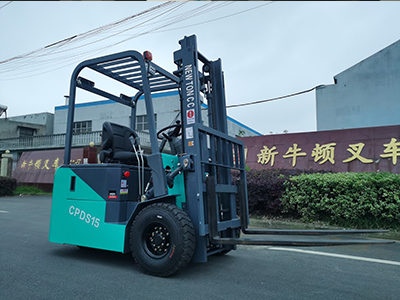
The first forklift in the world was born in the United States. It was a single-cylinder forklift with lifting device invented by Clark in 1918. In 1920, Clark upgraded the technology on the basis of this forklift and produced the first hydraulic lift forklift. In 1923, Yale and Towne developed the first K-type electric forklift. In 1924, Clark designed the first standard forklift. However, this kind of forklift is not used in the manufacturing industry, but in the military field. In 1932, Clark launched the first truly modern forklift, which was used for the transportation of military materials. The forklift manufacturer told you that it is a modern forklift because it is a front-wheel drive and rear-wheel steering forklift.
In 1934, Hester produced the first generation of plug-in forklift with fork. In 1949, Hester Company produced the first internal combustion engine three-wheel forklift. After World War II, the automobile industry in Europe and Japan rose rapidly, and the types of forklifts suitable for all walks of life and various scenarios were introduced. Since then, the application of forklifts has not only been in the military field. In 1950, Rocia, a Finnish company, produced the first pallet truck. In 1955, Rocia produced the first straddle reach truck. In 1970, the first AGV forklift was produced by NYK in Japan. Forklift manufacturer tells you that in 1976, Hester produced the first container loading and unloading forklift.
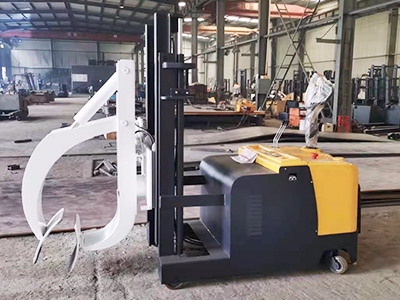
After World War II, the manufacturing technology of forklift has been developing continuously, and new products have emerged in an endless stream, and the sales of forklifts have also increased by leaps and bounds. Over the years, the global sales of forklifts have been growing steadily, only falling during the financial crisis in 2008. According to the survey, forklift is one of the machinery and equipment with the highest compound growth rate in the past decade. The above is the development history of forklift. If you are interested in purchasing such hot logistics storage equipment, you can contact the forklift manufacturer.
-
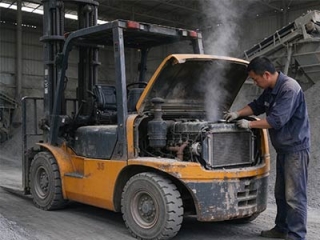 Heavy-Duty Diesel Forklift High Temperature Troubleshooting Guide3.5t diesel forklifts often overheat when handling sand and stone. Inspect cooling system step by step: radiator, belt, shroud, thermostat and water pump.
Do you like ?0
Read more -
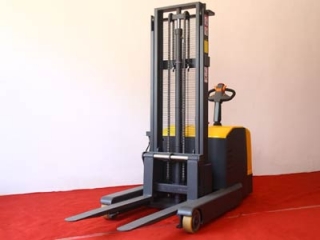 How to Choose Stackers for High-Level Access in Raw Material WarehouseRide-on reach stackers save aisle space for high racks. Good visibility for bulk raw materials. Select based on load curve and residual high-lift capacity.
Do you like ?0
Read more -
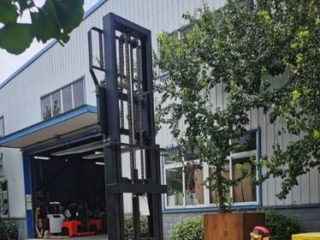 Rain Operation Rules for Legless Walk-Behind Counterbalance StackerLegless walkie counterbalance stackers are not waterproof. Only short-time use in light rain. Stop operation in heavy rain and follow safety rules on wet floors.
Do you like ?0
Read more -
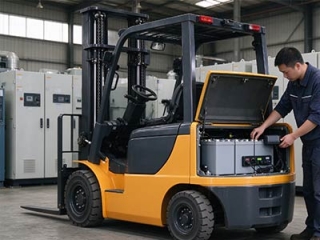 Avoid Hidden Costs When Buying Four-Wheel Electric Counterbalance ForkliftDo not compare only prices for four-wheel electric forklifts. Confirm load, lift, battery and warranty in quotes to avoid downgraded parts and extra charges.
Do you like ?0
Read more -
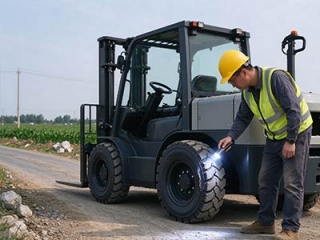 Tire Wear Inspection Methods for Rough-Terrain Walk Pallet TruckOff-road walkie pallet trucks face frequent tyre wear. Check tread pattern, sidewall damage and uneven wear to prevent skidding and blowouts.
Do you like ?0
Read more -
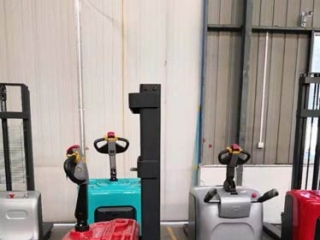 Full Electric Stacker With Foot Platform | Aisle Selection GuideWarehouse planning often overlooks turning radius. Stand-on stackers need extra aisle space. Insufficient clearance causes poor turning and reduces storage efficiency.
Do you like ?0
Read more








