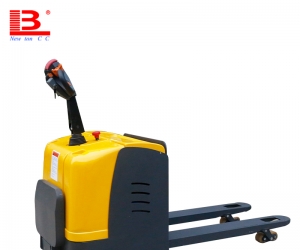
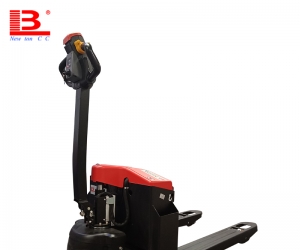
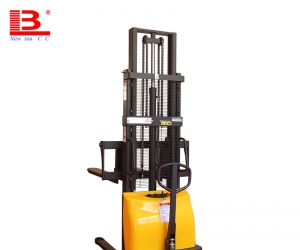
When we buy a forklift, the forklift manufacturer will provide us with a table with many parameters. This form can also be seen on the official website and flagship stores of forklift manufacturer. However, some friends can't understand this form, and some feel that this form is not important. The forklift manufacturer told you that this form is very important. Whether we can buy a suitable forklift depends on whether this forklift can meet our needs. The parameters on this table are to measure whether a forklift is suitable for our standard. Next, the forklift manufacturer will tell you how to understand the parameter table of the forklift.
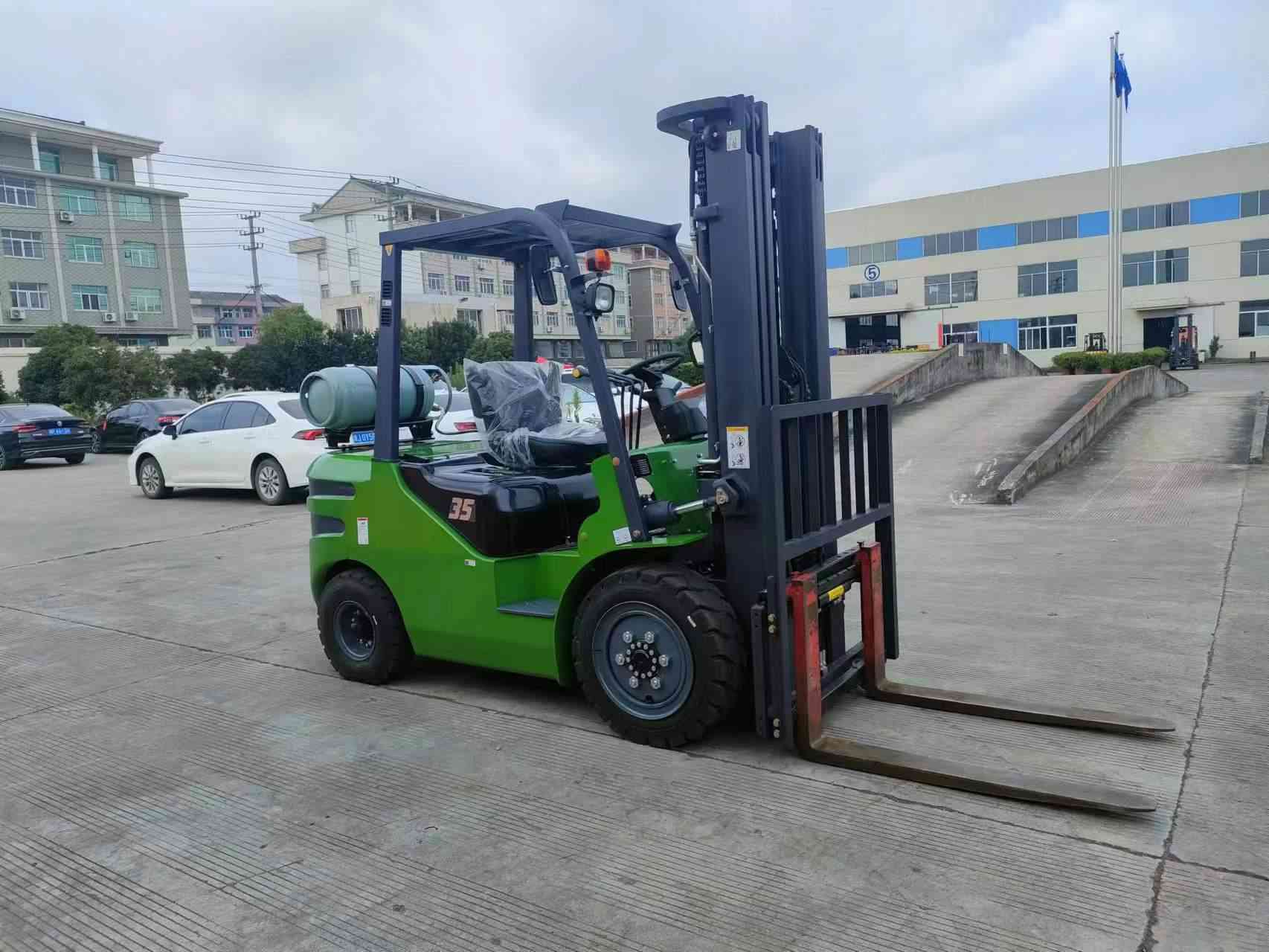
We will find that there are many numbers on the parameter table of the forklift. The forklift manufacturer will first introduce some important parameters to you. The first is the load, which refers to the maximum mass that the forklift can lift and handle goods under the specified conditions under normal use. This weight is measured when the forklift gantry is in the vertical state and the load center distance is at the standard value. The forklift manufacturer told you that the maximum lifting height is easy to understand, which is the vertical distance from the upper surface of the fork horizontal section to the ground when the fork is vertically raised to the highest position.
The turning radius of the forklift refers to the maximum distance from the outside of the vehicle body to the turning center when the forklift runs forward and backward at low speed, turns left and right, and the steering wheel is at the maximum turning angle under the condition of no load. Right-angle passage width refers to the minimum passage width required when the fork is adjusted to the maximum spacing and the forklift turns at right angles. The actual lifting weight refers to the maximum mass that can actually lift and handle goods without affecting the stability when the forklift is used under the specified conditions. The forklift manufacturer told us that the chassis height from the ground refers to the vertical distance from the lowest point of the vehicle to the ground, except for the wheel brake, under the rated lifting capacity or unloaded condition.
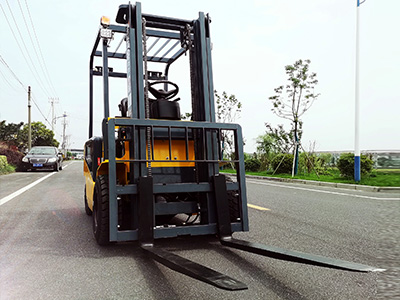
These are some important parameters of forklift. We need to first understand the weight and size of our goods, the width between shelves, the height of shelves, the ground carrying capacity of the workplace, and other conditions, and select the appropriate forklift according to the parameter table. If you still don't know how to select a forklift by referring to the parameter table, it is recommended to consult the forklift manufacturer. We have professional sales personnel to customize the most suitable forklift for you.
-
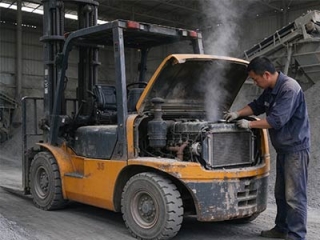 Heavy-Duty Diesel Forklift High Temperature Troubleshooting Guide3.5t diesel forklifts often overheat when handling sand and stone. Inspect cooling system step by step: radiator, belt, shroud, thermostat and water pump.
Do you like ?0
Read more -
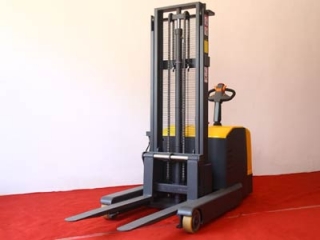 How to Choose Stackers for High-Level Access in Raw Material WarehouseRide-on reach stackers save aisle space for high racks. Good visibility for bulk raw materials. Select based on load curve and residual high-lift capacity.
Do you like ?0
Read more -
 Rain Operation Rules for Legless Walk-Behind Counterbalance StackerLegless walkie counterbalance stackers are not waterproof. Only short-time use in light rain. Stop operation in heavy rain and follow safety rules on wet floors.
Do you like ?0
Read more -
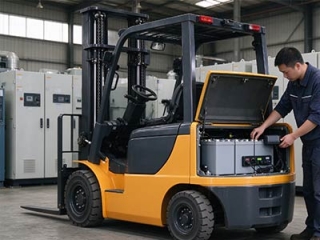 Avoid Hidden Costs When Buying Four-Wheel Electric Counterbalance ForkliftDo not compare only prices for four-wheel electric forklifts. Confirm load, lift, battery and warranty in quotes to avoid downgraded parts and extra charges.
Do you like ?0
Read more -
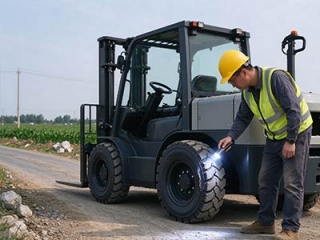 Tire Wear Inspection Methods for Rough-Terrain Walk Pallet TruckOff-road walkie pallet trucks face frequent tyre wear. Check tread pattern, sidewall damage and uneven wear to prevent skidding and blowouts.
Do you like ?0
Read more -
 Full Electric Stacker With Foot Platform | Aisle Selection GuideWarehouse planning often overlooks turning radius. Stand-on stackers need extra aisle space. Insufficient clearance causes poor turning and reduces storage efficiency.
Do you like ?0
Read more