Importance of Forklift Tire Maintenance & Daily Inspection Checklist
Most operators only focus on electric circuits and hydraulic components yet overlook tires. Understanding the Importance of Forklift Tire Maintenance cuts frequent tire replacement cost and prevents unexpected downtime & safety accidents.
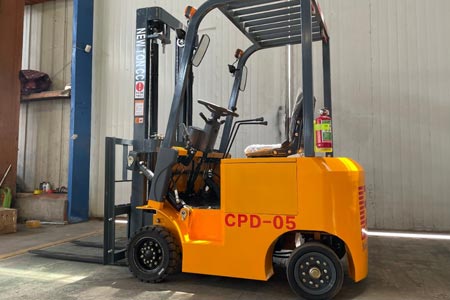
Tires bear full vehicle load and support all traveling movement. Bulges or abnormal abrasion may lead to rollover and cargo falling. Inspect regularly and maintain differently based on solid rubber tires or pneumatic air tires with below five daily check items for Daily Inspection Checklist for Forklift Tires:
Air pressure check (only for pneumatic tires) Test pressure before daily shift. Overinflation accelerates center tread wear; underinflation causes sidewall crack and blowout under heavy load. Refill air following factory rated standard, avoid random inflation under extreme hot/cold temperature.
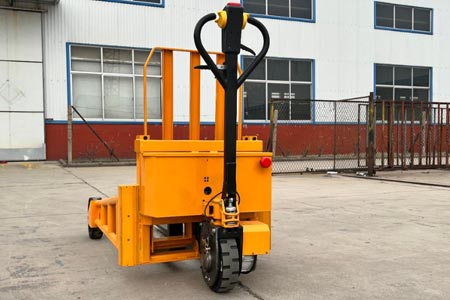
Remove embedded debris Clear stones, nails and metal scraps stuck in tread. Hard scraps gradually cut tire rubber; trapped dirt on solid tires leads to uneven surface and eccentric wear.
Check abrasion & cracks Replace tires once tread is worn smooth or with massive cracking/chunk loss. One-sided abnormal wear usually comes from bent kingpin or twisted frame; fix chassis fault before new tire fitting.
Wheel hub & bolt tightness Tighten all hub nuts. Loose bolts trigger wobbling and irregular tire gnawing; replenish missing bolts to prevent tire falling off during transit.
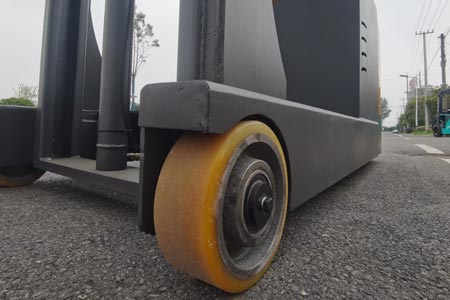
Check bulge & delamination For solid tires: check rubber-to-rim separation and cracks; for air tires: stop using bulged tires for heavy-duty to avoid sudden blowout under high temperature or overload.
Improve driving habits: no sharp in-situ steering, sudden brake or quick acceleration to reduce abnormal friction. Grind sharp protruding steel edges on warehouse floor to prevent tire cuts. Systematic tire maintenance extends service life, eliminates sudden breakdown and guarantees onsite operation safety.
-
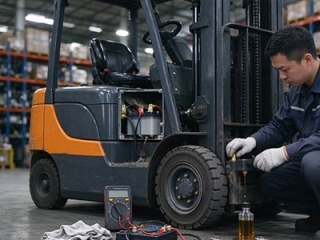 Reliability Of Newnewton Warehouse Forklifts For Heavy-Duty ShiftsWarehouse forklift reliability relies on industrial parts, reinforced frames and factory durability tests. Proper operation and maintenance reduce unexpected downtime.
Do you like ?0
Read more -
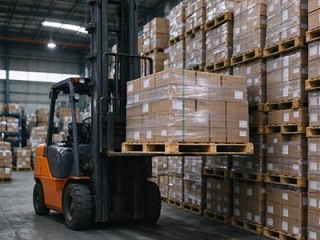 Forklift Configuration Strategy For Dense Warehousing, Warehouse ForkliftDense warehousing needs matched forklifts besides racks. Reach and trilateral stackers fit different layouts, coordinate aisle, load curve and floor for smooth handling.
Do you like ?0
Read more -
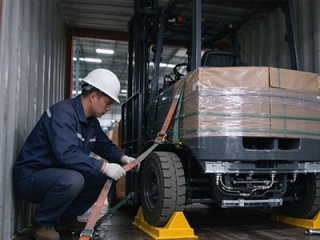 Full Container Supply For Export Forklifts, Forklift ManufacturerBulk forklift orders for overseas can ship by FCL or LCL. Newnewton FCL offers stable freight, safer packing and mixed models for large purchases.
Do you like ?0
Read more -
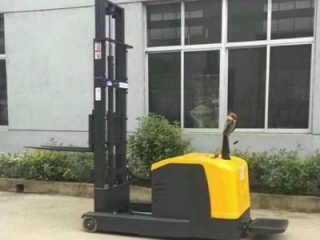 Stand-on Reach Stacker For Narrow Aisle Stacking, Mast Reach StructureStand-on reach stackers feature sliding masts that stay outside racks. They boost storage density in narrow aisles and require flat floors and standard pallets.
Do you like ?0
Read more -
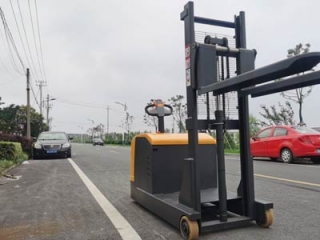 Stand-on Counterbalance Stacker For Various Pallets, Why No Leg RestrictionCounterbalance stackers have no front outriggers, using rear counterweight to avoid pallet interference. They fit various odd pallets yet need wider warehouse aisles.
Do you like ?0
Read more -
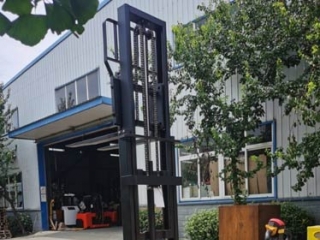 Custom Walk-Behind Counterbalance Stacker | Non-Standard ModificationsStandard walk-behind counterbalance stackers struggle with non-standard pallets and tight aisles. Customize load, lift, forks and structure, share working conditions for safe design.
Do you like ?0
Read more