
How To Reduce Replacement Frequency Of Forklift Wearing Parts | 4 Practical Meth
High maintenance cost troubles many fleet managers. If you keep replacing tires, chains, brake pads and seals repeatedly, improper operation and neglected maintenance are the main causes. If you want to know How To Reduce Replacement Frequency Of Forklift Wearing Parts, follow these four solutions to cut repair costs effectively.
1. Standardize Driving and Avoid Rough Operation
Gentle operation can double the service life of brakes, tires and hydraulic parts. No sudden acceleration, emergency braking or sharp high-speed turns. Hard braking wears brake pads rapidly, and sharp turns cause uneven tire abrasion. A tire that should last one year may fail within three months.

Never lift or lower forks abruptly under heavy loads. Violent hydraulic impact damages oil seals and hoses and leads to oil leakage, increasing hydraulic part replacement times. Do not overload or carry off-center cargo. Overloading stretches chains, bends forks and deforms axles and vehicle frames prematurely. Slow down when crossing floor joints and thresholds to prevent vibration damage to components.
2. Keep The Floor Clean To Reduce External Abrasion
Clear nails, gravel and metal scraps on the ground, which are the primary cause of punctured and cut tires. Repair potholed ground. Continuous bumping speeds up wear on bearings, pins and mast sliding blocks. Clean sand and mud on wheels and mast tracks regularly in dusty workshops. Sand acts as abrasive grit and accelerates metal wear on chains and sliders.

3. Carry Out Preventive Maintenance Regularly
Daily pre-shift inspection: Check brake tightness, tire condition, chain tension and oil leakage. Fix minor faults early to avoid part breakage. Lubricate mast chains and rollers regularly. Dry friction stretches chains and cracks rollers. Clean motor dust and inspect wire connectors on electric forklifts to prevent short circuits and burnt controllers. Adjust brake clearance periodically to avoid continuous friction caused by locked brakes.
4. Select High-quality Matching Spare Parts
If parts still wear out quickly even with standardized operation, you may have chosen inferior accessories. For heavy-duty work, install thickened forks and solid wear-resistant tires instead of cheap thin spare parts. Use oil-resistant hydraulic oil seals.

Low-temperature sealing parts are recommended for cold storage to reduce oil leakage repairs. Stick to genuine standard spare parts. Cheap aftermarket components wear out far faster and need to be replaced much more frequently.
Now you clearly know How To Cut Down Forklift Spare Parts Replacement. Feel free to contact me if you have further questions.
-
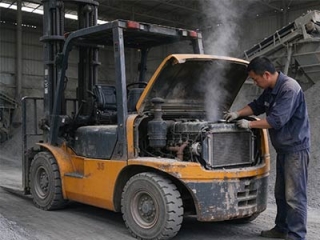 Heavy-Duty Diesel Forklift High Temperature Troubleshooting Guide3.5t diesel forklifts often overheat when handling sand and stone. Inspect cooling system step by step: radiator, belt, shroud, thermostat and water pump.
Do you like ?0
Read more -
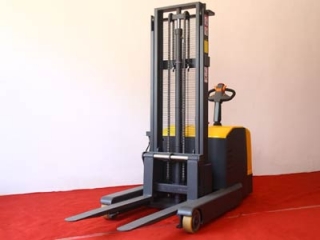 How to Choose Stackers for High-Level Access in Raw Material WarehouseRide-on reach stackers save aisle space for high racks. Good visibility for bulk raw materials. Select based on load curve and residual high-lift capacity.
Do you like ?0
Read more -
 Rain Operation Rules for Legless Walk-Behind Counterbalance StackerLegless walkie counterbalance stackers are not waterproof. Only short-time use in light rain. Stop operation in heavy rain and follow safety rules on wet floors.
Do you like ?0
Read more -
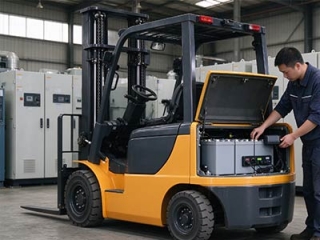 Avoid Hidden Costs When Buying Four-Wheel Electric Counterbalance ForkliftDo not compare only prices for four-wheel electric forklifts. Confirm load, lift, battery and warranty in quotes to avoid downgraded parts and extra charges.
Do you like ?0
Read more -
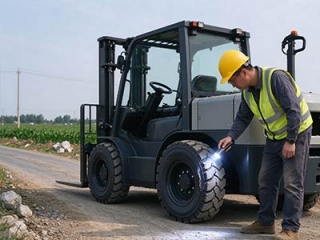 Tire Wear Inspection Methods for Rough-Terrain Walk Pallet TruckOff-road walkie pallet trucks face frequent tyre wear. Check tread pattern, sidewall damage and uneven wear to prevent skidding and blowouts.
Do you like ?0
Read more -
 Full Electric Stacker With Foot Platform | Aisle Selection GuideWarehouse planning often overlooks turning radius. Stand-on stackers need extra aisle space. Insufficient clearance causes poor turning and reduces storage efficiency.
Do you like ?0
Read more








