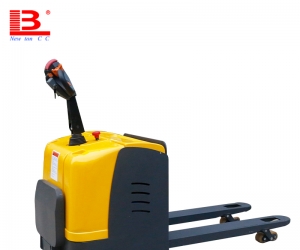
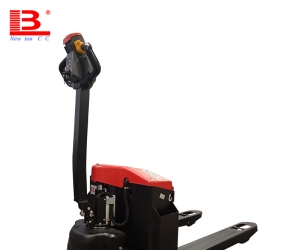
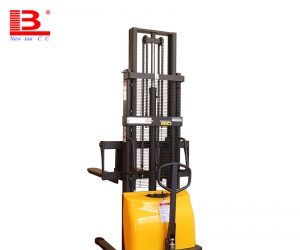
For enterprises new to forklift operation, understanding the correct operating steps is essential to avoid accidents, cargo damage, and safety risks. To help you clearly learn how to operate full electric walkie stacker, we have summarized the key points you must pay attention to.
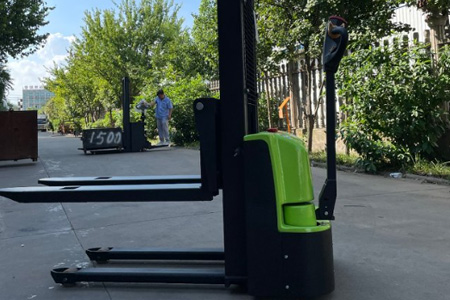
Before Operation
Before starting the machine, check the surrounding environment and the forklift condition to avoid risks such as flat tires, missing parts, or nearby personnel that may cause accidents.
Turn on the power and confirm sufficient battery level, no oil leakage in the hydraulic cylinder, smooth lifting, sensitive and effective brakes, and proper fork width matching the pallet. Only start work after all inspections are completed to ensure safety and reduce unnecessary losses.
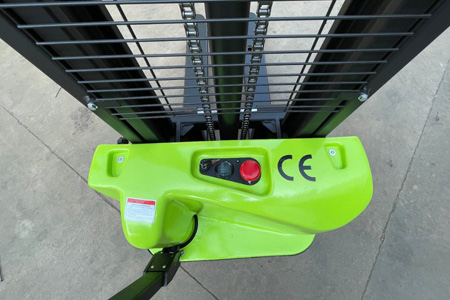
During Operation
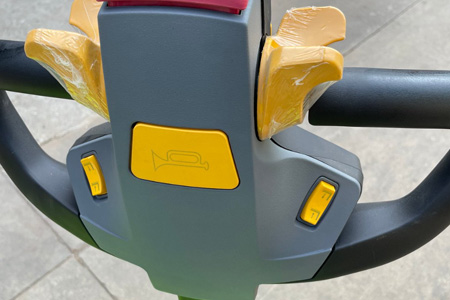
Lift goods to 10–20 cm above the ground; never travel with raised loads.Maintain a constant speed, avoid sudden braking or sharp turns. Sound the horn when turning corners or approaching people.
When positioning and lifting, adjust the forks of the walkie electric pallet stacker forklift, to about 10 cm above the shelf height before inserting into the pallet.
When driving in narrow aisles or starting the machine, use the slow-speed button to maintain low speed and prevent potential hazards caused by untimely operation.
After Operation
Park the empty stacker in a designated open area and lower the forks to the minimum position.Activate the brake, turn off the power, and remove the key.Perform simple cleaning to remove debris and fill in the daily inspection checklist.
In summary, this guide covers the most easily overlooked yet high-risk operating points of the walkie electric pallet stacker forklift, rather than a full manual. You can request an official operation video when purchasing the equipment. By following these tips, you can operate more safely and avoid common mistakes.
-
 Reliability Of Newnewton Warehouse Forklifts For Heavy-Duty ShiftsWarehouse forklift reliability relies on industrial parts, reinforced frames and factory durability tests. Proper operation and maintenance reduce unexpected downtime.
Do you like ?0
Read more -
 Forklift Configuration Strategy For Dense Warehousing, Warehouse ForkliftDense warehousing needs matched forklifts besides racks. Reach and trilateral stackers fit different layouts, coordinate aisle, load curve and floor for smooth handling.
Do you like ?0
Read more -
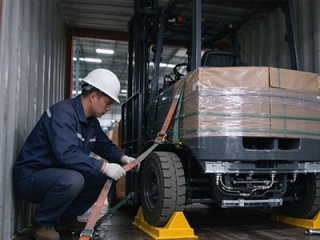 Full Container Supply For Export Forklifts, Forklift ManufacturerBulk forklift orders for overseas can ship by FCL or LCL. Newnewton FCL offers stable freight, safer packing and mixed models for large purchases.
Do you like ?0
Read more -
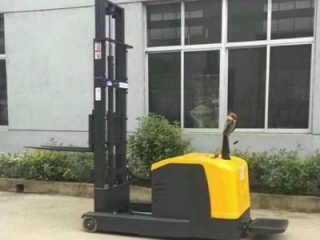 Stand-on Reach Stacker For Narrow Aisle Stacking, Mast Reach StructureStand-on reach stackers feature sliding masts that stay outside racks. They boost storage density in narrow aisles and require flat floors and standard pallets.
Do you like ?0
Read more -
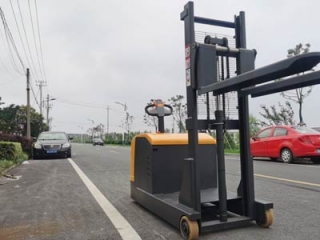 Stand-on Counterbalance Stacker For Various Pallets, Why No Leg RestrictionCounterbalance stackers have no front outriggers, using rear counterweight to avoid pallet interference. They fit various odd pallets yet need wider warehouse aisles.
Do you like ?0
Read more -
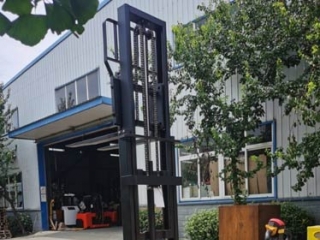 Custom Walk-Behind Counterbalance Stacker | Non-Standard ModificationsStandard walk-behind counterbalance stackers struggle with non-standard pallets and tight aisles. Customize load, lift, forks and structure, share working conditions for safe design.
Do you like ?0
Read more