Slow Lifting in Hydraulic Stacker? 5 Quick Fixes for Your Manual Stacker
Many warehouse operators face unexpected downtime when their equipment slows down. If you’re dealing with sluggish movement, How to Fix Slow Lifting of Hydraulic Stacker is a common question — and the good news is that most issues are easy to resolve with basic checks.
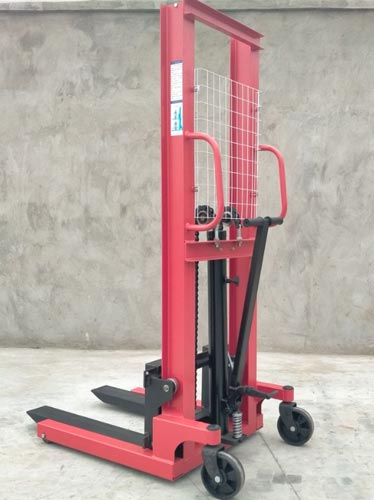
The manual hydraulic stacker relies on smooth pressure flow to handle loads efficiently, so even small problems can cause noticeable slowdowns. These simple fixes will help you get back to work quickly, without costly repairs or replacements.
Check the Hydraulic Oil Level First
Low or contaminated oil is the #1 cause of slow lifting. Open the tank and check the level against the marked line. If it’s low, top up with the manufacturer-recommended hydraulic oil. If the oil looks dark or gritty, replace it entirely to clear clogged lines.
Examine the Relief Valve for Sticking Parts
Over time, dirt and debris can jam the valve core, preventing pressure from building. Remove the valve cap, clean the internal components with a soft cloth, and lubricate lightly. If the spring inside feels weak, replace it to restore proper pressure control.
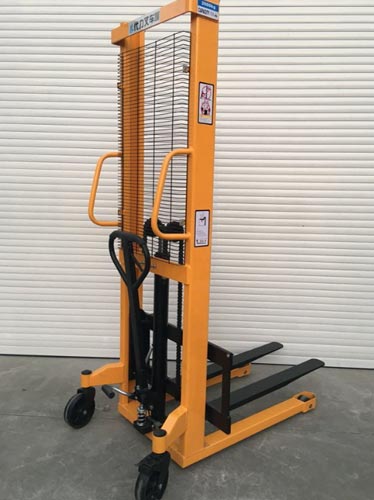
Inspect for Leaks Around Seals and Hoses
Even a tiny leak can cause pressure loss. Check all connections, hoses, and seals for damp spots or oil residue. Replace any cracked hoses or hardened seals to stop leaks and keep pressure consistent.
Lubricate the Mast and Lift Chains
Rust or lack of lubrication creates extra friction, slowing the forks down. Clean the mast rails and chains, then apply a thin layer of chain lubricant. Adjust chain tension if needed to ensure even movement.
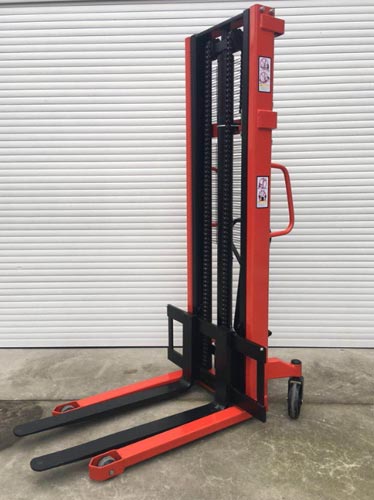
Check for Bent Rollers or Damaged Guides
Worn or misaligned rollers can cause the forks to bind. Inspect each roller for wear, and straighten any bent guide rails. Replacing damaged parts will eliminate jerky movement and restore smooth lifting.
By working through these steps one by one, you can solve most slow-lifting problems on your own. If you need help with a tricky issue, feel free to reach out for guidance — we can walk you through more advanced checks and maintenance tips.
-
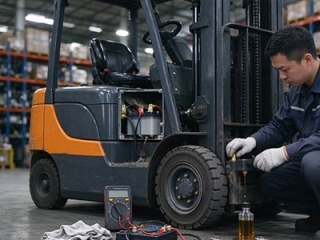 Reliability Of Newnewton Warehouse Forklifts For Heavy-Duty ShiftsWarehouse forklift reliability relies on industrial parts, reinforced frames and factory durability tests. Proper operation and maintenance reduce unexpected downtime.
Do you like ?0
Read more -
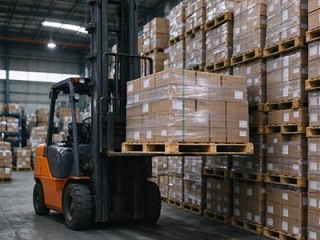 Forklift Configuration Strategy For Dense Warehousing, Warehouse ForkliftDense warehousing needs matched forklifts besides racks. Reach and trilateral stackers fit different layouts, coordinate aisle, load curve and floor for smooth handling.
Do you like ?0
Read more -
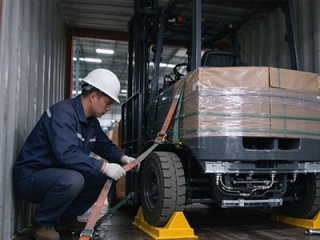 Full Container Supply For Export Forklifts, Forklift ManufacturerBulk forklift orders for overseas can ship by FCL or LCL. Newnewton FCL offers stable freight, safer packing and mixed models for large purchases.
Do you like ?0
Read more -
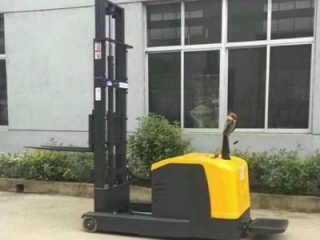 Stand-on Reach Stacker For Narrow Aisle Stacking, Mast Reach StructureStand-on reach stackers feature sliding masts that stay outside racks. They boost storage density in narrow aisles and require flat floors and standard pallets.
Do you like ?0
Read more -
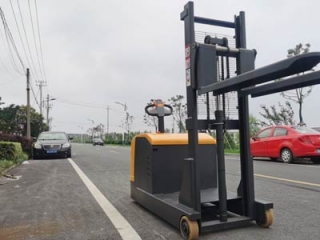 Stand-on Counterbalance Stacker For Various Pallets, Why No Leg RestrictionCounterbalance stackers have no front outriggers, using rear counterweight to avoid pallet interference. They fit various odd pallets yet need wider warehouse aisles.
Do you like ?0
Read more -
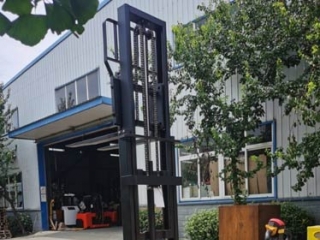 Custom Walk-Behind Counterbalance Stacker | Non-Standard ModificationsStandard walk-behind counterbalance stackers struggle with non-standard pallets and tight aisles. Customize load, lift, forks and structure, share working conditions for safe design.
Do you like ?0
Read more