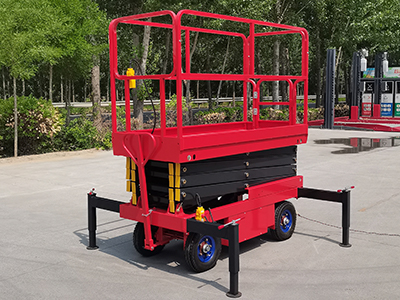
Mobile elevating work platforms – indispensable and efficient on the modern construction site As a key piece of equipment in industry and construction, mobile elevating work platforms are favored for their excellent performance in working at height. The unique scissor design of the mobile lifting platform ensures the stability and efficiency of the lifting platform in operation, significantly improves the work efficiency, and also strengthens the operation safety. In particular, the mobile elevating platform is gradually regarded as an innovative choice for the traditional operating platform.
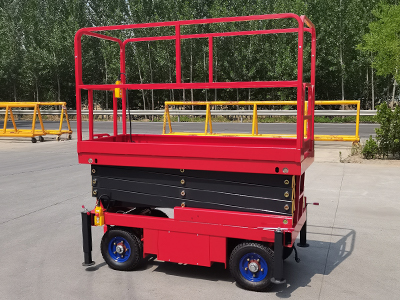
However, despite the significant advantages, it is important to have a deep understanding of how to use them correctly to ensure safety in the face of potential hazards. Here is a summary of a few key considerations during use:
Preparation before use:
Before the start of the operation, it is necessary to make a special safety technical disclosure, and the operator needs to read the user manual carefully and be familiar with the characteristics, structure and operation methods of the equipment.
Strictly follow the content of Chapter VIII, Section 4 of the "Technical Code for Inspection of Machinery and Equipment on the Construction Site" (JGJ160-2012), as well as the manufacturer's guidelines, conduct a comprehensive inspection, and ensure that the acceptance standards of the relevant parties are met.
During use:
Ensure that after the mobile lifting platform is in place, the site should be free of obstacles, the platform should be placed smoothly, and the requirements of slope and flatness should be followed.
Set up a clear safety area, according to the requirements of the "Classification of Work at Height" GB3608, and supervise it by a special person to prevent accidents.
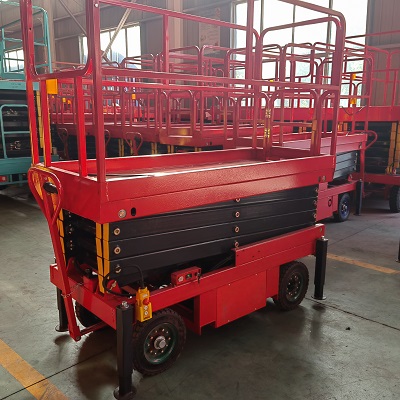
Always observe load limits and resolutely avoid overload operations.
During the work process, ensure that the platform is immovable and emphasize the prohibition of dangerous behaviors on the work platform, such as shaking or playing.
Maintenance after use:
Once the task is complete, make sure the platform is lowered smoothly and parked in a suitable safe location.
Finally, be sure to turn off the power and do a full equipment check before leaving.
Through strict safety regulations and reasonable operation guidance, we can maximize the advantages of mobile lifting work platforms, while effectively preventing possible risks and ensuring the safety of each construction site.
-
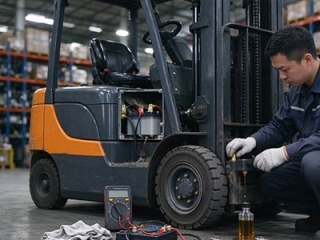 Reliability Of Newnewton Warehouse Forklifts For Heavy-Duty ShiftsWarehouse forklift reliability relies on industrial parts, reinforced frames and factory durability tests. Proper operation and maintenance reduce unexpected downtime.
Do you like ?0
Read more -
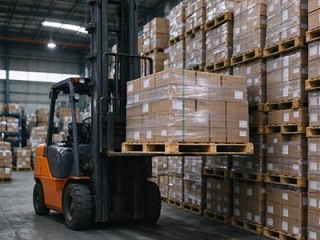 Forklift Configuration Strategy For Dense Warehousing, Warehouse ForkliftDense warehousing needs matched forklifts besides racks. Reach and trilateral stackers fit different layouts, coordinate aisle, load curve and floor for smooth handling.
Do you like ?0
Read more -
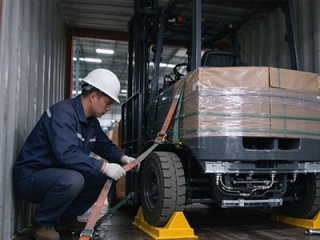 Full Container Supply For Export Forklifts, Forklift ManufacturerBulk forklift orders for overseas can ship by FCL or LCL. Newnewton FCL offers stable freight, safer packing and mixed models for large purchases.
Do you like ?0
Read more -
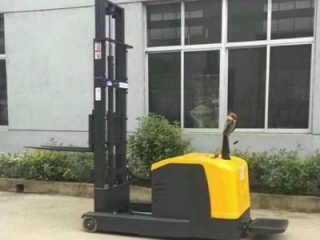 Stand-on Reach Stacker For Narrow Aisle Stacking, Mast Reach StructureStand-on reach stackers feature sliding masts that stay outside racks. They boost storage density in narrow aisles and require flat floors and standard pallets.
Do you like ?0
Read more -
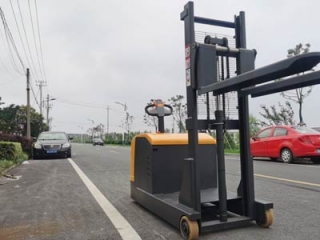 Stand-on Counterbalance Stacker For Various Pallets, Why No Leg RestrictionCounterbalance stackers have no front outriggers, using rear counterweight to avoid pallet interference. They fit various odd pallets yet need wider warehouse aisles.
Do you like ?0
Read more -
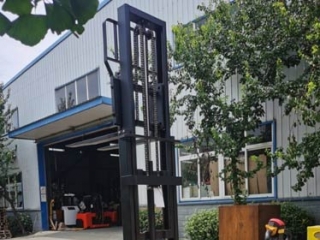 Custom Walk-Behind Counterbalance Stacker | Non-Standard ModificationsStandard walk-behind counterbalance stackers struggle with non-standard pallets and tight aisles. Customize load, lift, forks and structure, share working conditions for safe design.
Do you like ?0
Read more