Have you ever wondered about the working principle of your manual pallet jack during daily use? Especially the hydraulic system. Understanding how it works can help you troubleshoot and repair issues by yourself. For easier maintenance and a better understanding of the equipment, today we provide a detailed manual pallet jack structure explanation.
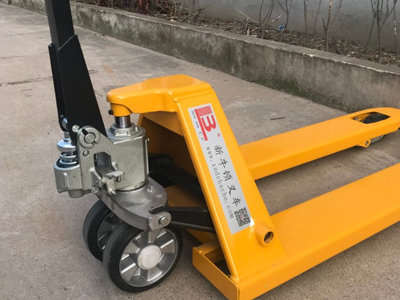
The complete hydraulic system consists of the following key components:
Manual pump core (plunger pump): generates high-pressure oil when the handle is pressed
Lifting cylinder: pushes the piston to raise the forks
Pressure relief valve: opens to lower the load and return oil to the tank
Hydraulic oil: pressure transmission medium
Oil tank, seals, check valves: prevent pressure backflow and oil leakage
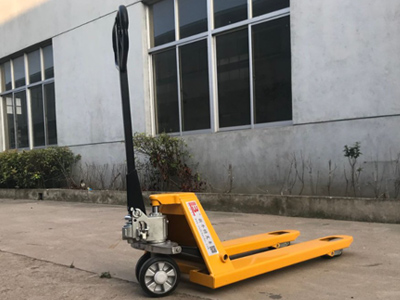
The manual pallet jack hydraulic system working principle is straightforward. When lifting forks, pump the handle up and down to drive the plunger pump. Hydraulic oil is compressed, pushes open the outlet check valve into the main cylinder, and the inlet check valve closes. Pressure builds up to extend the cylinder piston and lift the forks smoothly.
Lowering is even simpler: open the relief valve to let hydraulic oil flow back. Now you can identify potential failure points:
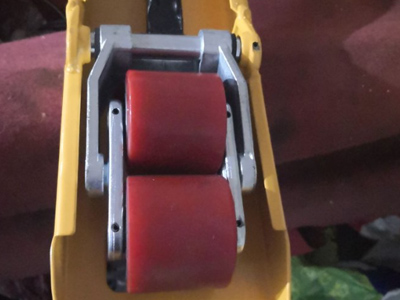
Cannot lift: insufficient oil, faulty check valve, loose relief valve
Lifts slowly: worn pump, air inside the system
Auto lowering: cylinder leakage, aging seals, poorly closed relief valve
Oil leakage: damaged seals, loose connectors
With this knowledge, you fully understand the hydraulic system of a manual hydraulic pallet jack. The condition of the hydraulic system directly affects performance. A deeper understanding makes troubleshooting easier and helps you avoid unnecessary repair costs.
-
 Reliability Of Newnewton Warehouse Forklifts For Heavy-Duty ShiftsWarehouse forklift reliability relies on industrial parts, reinforced frames and factory durability tests. Proper operation and maintenance reduce unexpected downtime.
Do you like ?0
Read more -
 Forklift Configuration Strategy For Dense Warehousing, Warehouse ForkliftDense warehousing needs matched forklifts besides racks. Reach and trilateral stackers fit different layouts, coordinate aisle, load curve and floor for smooth handling.
Do you like ?0
Read more -
 Full Container Supply For Export Forklifts, Forklift ManufacturerBulk forklift orders for overseas can ship by FCL or LCL. Newnewton FCL offers stable freight, safer packing and mixed models for large purchases.
Do you like ?0
Read more -
 Stand-on Reach Stacker For Narrow Aisle Stacking, Mast Reach StructureStand-on reach stackers feature sliding masts that stay outside racks. They boost storage density in narrow aisles and require flat floors and standard pallets.
Do you like ?0
Read more -
 Stand-on Counterbalance Stacker For Various Pallets, Why No Leg RestrictionCounterbalance stackers have no front outriggers, using rear counterweight to avoid pallet interference. They fit various odd pallets yet need wider warehouse aisles.
Do you like ?0
Read more -
 Custom Walk-Behind Counterbalance Stacker | Non-Standard ModificationsStandard walk-behind counterbalance stackers struggle with non-standard pallets and tight aisles. Customize load, lift, forks and structure, share working conditions for safe design.
Do you like ?0
Read more