Newnewton Diesel Forklift Maintenance: Avoid These Common Mistakes
Diesel forklifts are known as the "workhorses" of heavy-load handling, but many operators overlook a critical aspect: maintenance. Neglecting care can significantly shorten the forklift’s lifespan and reduce its load-bearing capacity. This guide will teach you how to properly maintain your Newnewton diesel forklift, helping you avoid common pitfalls and keep your equipment running strong.
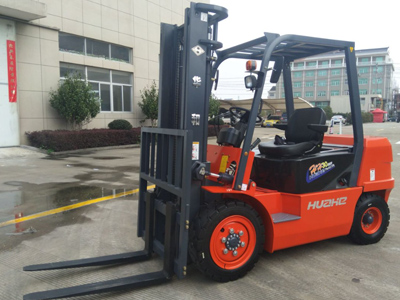
A key misconception to overcome is reactive maintenance: never wait for a breakdown to occur. Implementing a proactive internal combustion forklift regular maintenance routine is the only way to minimize failure rates and prevent costly downtime. We recommend a proven strategy: the "3-Minute Daily Check + Graded Regular Maintenance" system, which effectively avoids many operational issues.
The 3-Minute Daily Check is your first line of defense. Before operation, verify that the diesel fuel, coolant, and hydraulic oil levels are within the standard range and check for any leaks. Next, inspect the tires for damage or looseness—this is especially crucial for construction site use. Finally, test the reverse alarm, chains, forks, lights, and horn to ensure they function correctly.
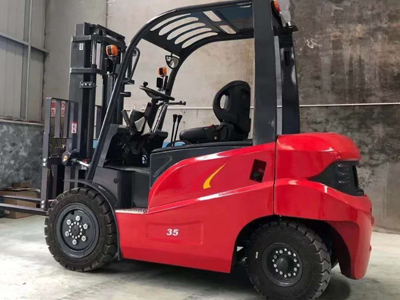
After using the Newnewton diesel forklift, wipe down the body to remove dust and grime, paying special attention to the radiator and air filter to prevent overheating. Always lower the forks to the ground, engage the parking brake, and park in a designated, dry, and well-ventilated area. Protecting the forklift from rain will help prevent rust and corrosion of vital components.
Internal combustion forklift regular maintenance is scheduled based on operating hours and frequency. Establish routines for weekly, monthly, quarterly, and annual servicing. For high-frequency use, perform weekly checks (after 20 operating hours), monthly checks (80 hours), quarterly checks (300 hours), and annual overhauls (1500 hours).
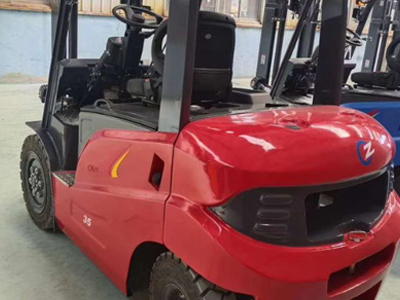
Regular maintenance involves comprehensive inspections: tightening loose bolts, cleaning the water tank, and replacing corroded, worn, or potentially hazardous parts to eliminate safety risks. Covering every aspect of diesel forklift maintenance tips could take days. Are there any specific components or unique challenges you’d like to learn more about to keep your Newnewton forklift in top condition?
-
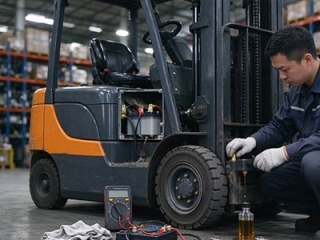 Reliability Of Newnewton Warehouse Forklifts For Heavy-Duty ShiftsWarehouse forklift reliability relies on industrial parts, reinforced frames and factory durability tests. Proper operation and maintenance reduce unexpected downtime.
Do you like ?0
Read more -
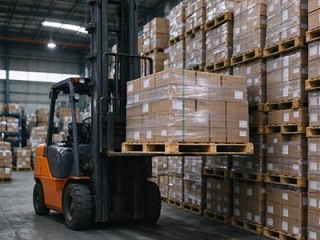 Forklift Configuration Strategy For Dense Warehousing, Warehouse ForkliftDense warehousing needs matched forklifts besides racks. Reach and trilateral stackers fit different layouts, coordinate aisle, load curve and floor for smooth handling.
Do you like ?0
Read more -
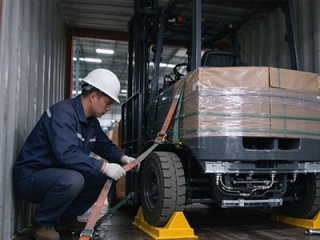 Full Container Supply For Export Forklifts, Forklift ManufacturerBulk forklift orders for overseas can ship by FCL or LCL. Newnewton FCL offers stable freight, safer packing and mixed models for large purchases.
Do you like ?0
Read more -
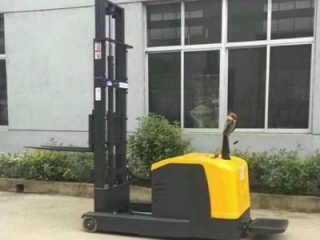 Stand-on Reach Stacker For Narrow Aisle Stacking, Mast Reach StructureStand-on reach stackers feature sliding masts that stay outside racks. They boost storage density in narrow aisles and require flat floors and standard pallets.
Do you like ?0
Read more -
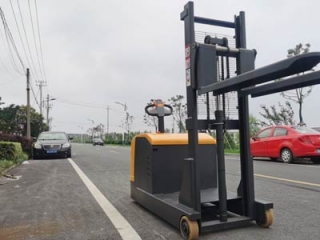 Stand-on Counterbalance Stacker For Various Pallets, Why No Leg RestrictionCounterbalance stackers have no front outriggers, using rear counterweight to avoid pallet interference. They fit various odd pallets yet need wider warehouse aisles.
Do you like ?0
Read more -
 Custom Walk-Behind Counterbalance Stacker | Non-Standard ModificationsStandard walk-behind counterbalance stackers struggle with non-standard pallets and tight aisles. Customize load, lift, forks and structure, share working conditions for safe design.
Do you like ?0
Read more