
For warehouse loading, truck-mounted handling and small-space operations, the portable pallet jack has become essential equipment for small and medium-sized enterprises thanks to its lightweight and labor-saving design. With so many models and uneven quality on the market, a poor choice can lead to oil leaks, deformation or stiff operation. So how to choose a manual hydraulic pallet truck wisely? Follow these key points to avoid buying mistakes.
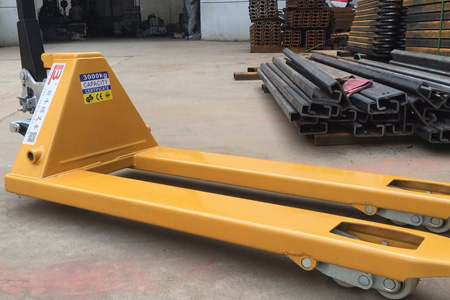
First, check body material and load capacity
Portable does not mean inferior quality. High-quality models use integrally formed thickened steel plates for a stable, deformation-resistant frame. Select a load capacity based on your daily cargo weight — 1.5-ton to 2-ton models are sufficient for most scenarios. Avoid overpaying for excessive capacity or risking overload with undersized units, which shorten service life and create hazards.
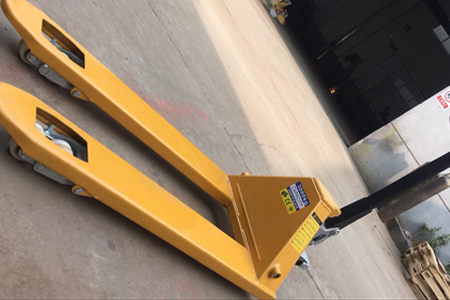
Second, inspect the hydraulic system
The hydraulic system is the core of a portable manual hydraulic pallet truck. A quality pump offers smooth lifting, no oil leakage, stable descent and effortless operation. Inferior pumps often fail to lift properly, drop suddenly or leak oil. Always check cylinder sealing and prioritize quiet, explosion-proof units with slow-lowering functions for enhanced safety.
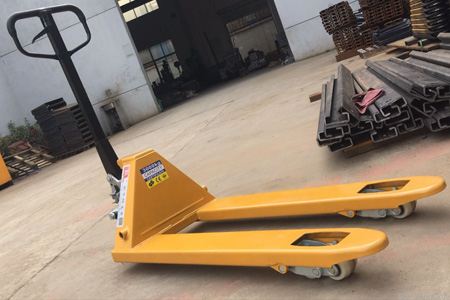
Third, evaluate portability and maneuverability
A truly reliable portable pallet jack is compact, moderately weighted, easy to push and highly maneuverable. It works smoothly in narrow aisles, truck containers and elevators. Many models feature foldable or lightweight structures for easy transport and storage, a key advantage over standard pallet trucks.
By understanding these three core factors before purchasing, you can greatly reduce the risk of choosing a low-quality product and enjoy trouble-free daily use. As a factory with decades of experience, we are ready to answer any further questions you may have.
-
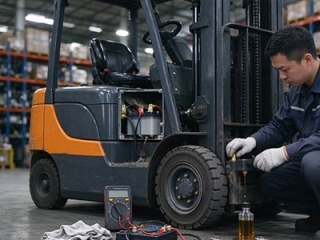 Reliability Of Newnewton Warehouse Forklifts For Heavy-Duty ShiftsWarehouse forklift reliability relies on industrial parts, reinforced frames and factory durability tests. Proper operation and maintenance reduce unexpected downtime.
Do you like ?0
Read more -
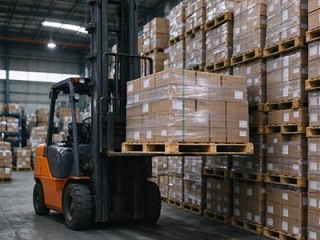 Forklift Configuration Strategy For Dense Warehousing, Warehouse ForkliftDense warehousing needs matched forklifts besides racks. Reach and trilateral stackers fit different layouts, coordinate aisle, load curve and floor for smooth handling.
Do you like ?0
Read more -
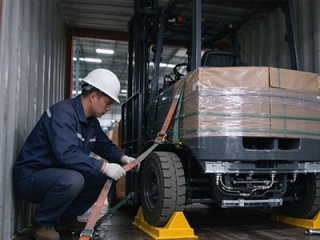 Full Container Supply For Export Forklifts, Forklift ManufacturerBulk forklift orders for overseas can ship by FCL or LCL. Newnewton FCL offers stable freight, safer packing and mixed models for large purchases.
Do you like ?0
Read more -
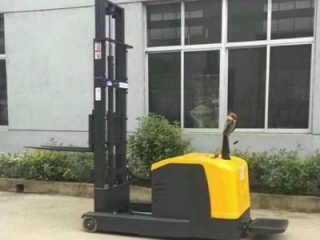 Stand-on Reach Stacker For Narrow Aisle Stacking, Mast Reach StructureStand-on reach stackers feature sliding masts that stay outside racks. They boost storage density in narrow aisles and require flat floors and standard pallets.
Do you like ?0
Read more -
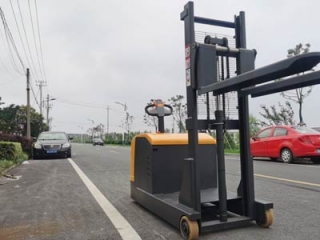 Stand-on Counterbalance Stacker For Various Pallets, Why No Leg RestrictionCounterbalance stackers have no front outriggers, using rear counterweight to avoid pallet interference. They fit various odd pallets yet need wider warehouse aisles.
Do you like ?0
Read more -
 Custom Walk-Behind Counterbalance Stacker | Non-Standard ModificationsStandard walk-behind counterbalance stackers struggle with non-standard pallets and tight aisles. Customize load, lift, forks and structure, share working conditions for safe design.
Do you like ?0
Read more








