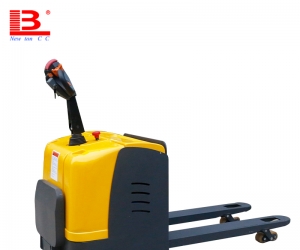
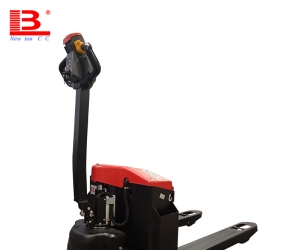
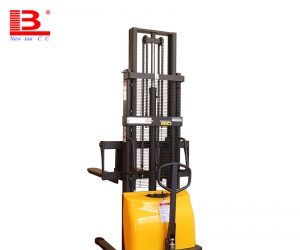
Small electric forklifts have oil leakage, and the reasons are complicated. Here are a few reasons: installation problems; material problems; seals aging; vibration, corrosion, pressure difference, improper use and maintenance of pipelines.
How do I know the specific reason? First, check the oil leakage location. Oil leakage at the pipe joints may be improper installation and need to be tightened. Or check the oil cylinder for leaks caused by quality problems such as cracks. In addition, check whether the piston rod of the cylinder is worn or not, and whether it has burrs. Whether it is overused, small electric forklifts work for a long time, and the pressure caused by overuse will cause oil leakage.
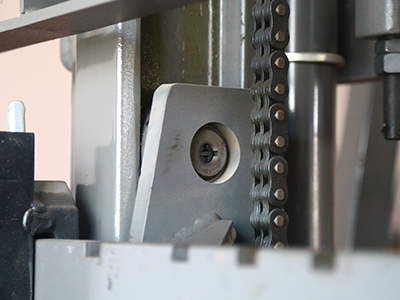
There will also be oil leakage at the interface where the seal is aging and damaged, and the seal must be replaced. In fact, more than 80% of the oil leakage may be caused by the aging of the seals. If the small electric forklift with aging seals is used for more than three years, the plasticizer of the seals loses its elasticity, and some serious even cracks. . Of course, in general, we will not find the seal cracks when we use the car. Frequent maintenance and inspection will find the problem early and replace the seal in time.
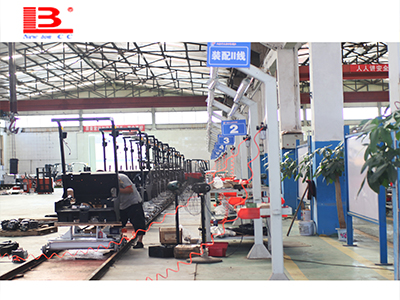
Warehouse forklift manufacturers remind you to do the maintenance of small electric forklifts to effectively avoid oil leakage, and the hydraulic oil should be replaced regularly. To replace the hydraulic oil is to drain the hydraulic oil in the oil pump, take out the oil filter, clean it, and compress it. Clean the air, install it back in place, and connect the pipeline. The hydraulic oil must be new, otherwise the old hydraulic oil will cause the lifting parts of the hydraulic system to wear. After changing the hydraulic oil, you must carefully check whether the pipeline is damaged and the joints are tightly connected. Remember that the components must not be damaged and the connection joints must be tight.
-
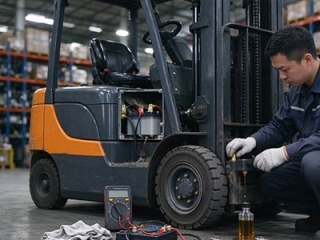 Reliability Of Newnewton Warehouse Forklifts For Heavy-Duty ShiftsWarehouse forklift reliability relies on industrial parts, reinforced frames and factory durability tests. Proper operation and maintenance reduce unexpected downtime.
Do you like ?0
Read more -
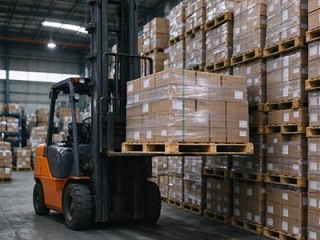 Forklift Configuration Strategy For Dense Warehousing, Warehouse ForkliftDense warehousing needs matched forklifts besides racks. Reach and trilateral stackers fit different layouts, coordinate aisle, load curve and floor for smooth handling.
Do you like ?0
Read more -
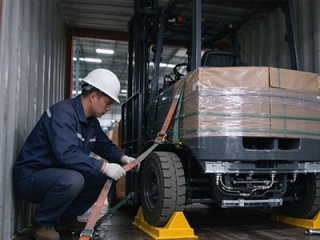 Full Container Supply For Export Forklifts, Forklift ManufacturerBulk forklift orders for overseas can ship by FCL or LCL. Newnewton FCL offers stable freight, safer packing and mixed models for large purchases.
Do you like ?0
Read more -
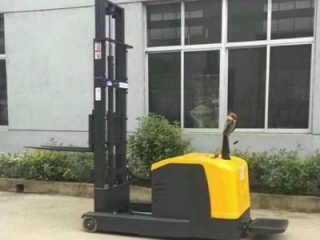 Stand-on Reach Stacker For Narrow Aisle Stacking, Mast Reach StructureStand-on reach stackers feature sliding masts that stay outside racks. They boost storage density in narrow aisles and require flat floors and standard pallets.
Do you like ?0
Read more -
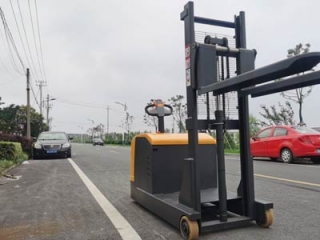 Stand-on Counterbalance Stacker For Various Pallets, Why No Leg RestrictionCounterbalance stackers have no front outriggers, using rear counterweight to avoid pallet interference. They fit various odd pallets yet need wider warehouse aisles.
Do you like ?0
Read more -
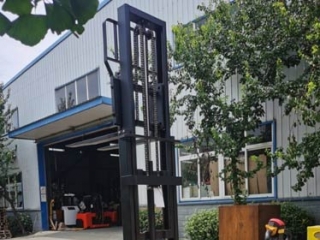 Custom Walk-Behind Counterbalance Stacker | Non-Standard ModificationsStandard walk-behind counterbalance stackers struggle with non-standard pallets and tight aisles. Customize load, lift, forks and structure, share working conditions for safe design.
Do you like ?0
Read more