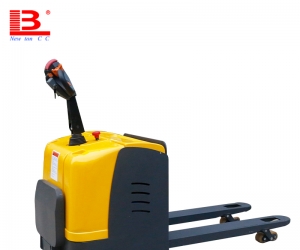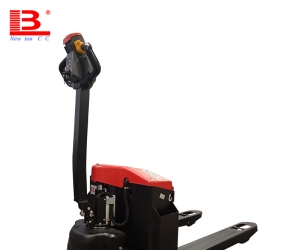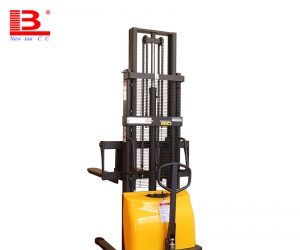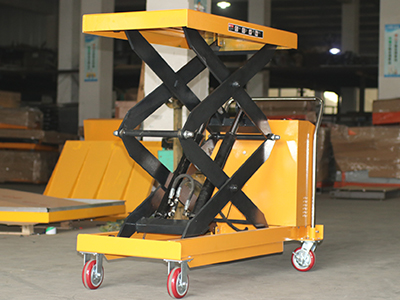
There are many hidden dangers in the use of electric hand lifter, which are not easy to find in daily maintenance. If these faults of the electric hand lifter are not dealt with, the electric hand lifter will eventually be paralyzed. Or more serious consequences. The following questions are details that most operating users often overlook:
1. The button is out of order. The lifting, lowering, and suspending operations of the entire electric hand lifter are all controlled by the button. If there are occasional key failures during operation, you should pay attention to this phenomenon. This phenomenon may be a short circuit of the electric hand lifter circuit or the imminent failure of the electrical system. At this time, you must check carefully in time to avoid affecting the operation of the electric hand lifter in the future.
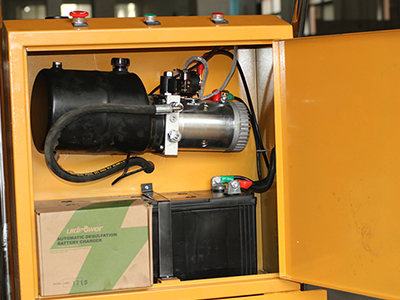
2. The electric hand lifter cannot be lowered to the natural height and causes a malfunction. The reason is:
①Deformation of the main frame of the electric hand lifter;
②Too much hydraulic oil is injected into the electric hand lifter;
③There are sundries between the scissor levers of the electric hand lifter.
3. The motor of the electric hand lifter is noisy, and occasionally there will be heat or odor of the motor. The reasons for such problems are:
① The electric hydraulic platform vehicle is overloaded. If there is an overload problem, uninstall it in time.
②The voltage of the electric hand lifter is unstable, check whether there is a problem with the circuit.
③If the motor is poorly sealed or the coil is burned out, the seal should be tightly sealed or the coil should be replaced in time.
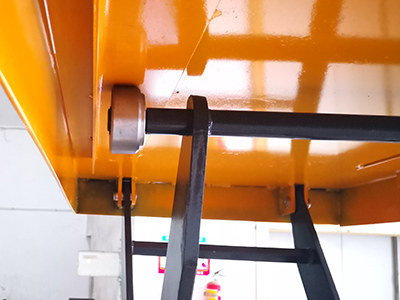
Timely correction of minor problems can avoid major failures and enable the electric hand lifter to operate stably for a long time. In view of the hidden troubles of electric hydraulic platform vehicles, timely detection and elimination of problems can reduce the occurrence of many failures. Finding hidden dangers in time and shutting down to eliminate them is the key. We usually need to take more preventive measures.
-
 Reliability Of Newnewton Warehouse Forklifts For Heavy-Duty ShiftsWarehouse forklift reliability relies on industrial parts, reinforced frames and factory durability tests. Proper operation and maintenance reduce unexpected downtime.
Do you like ?0
Read more -
 Forklift Configuration Strategy For Dense Warehousing, Warehouse ForkliftDense warehousing needs matched forklifts besides racks. Reach and trilateral stackers fit different layouts, coordinate aisle, load curve and floor for smooth handling.
Do you like ?0
Read more -
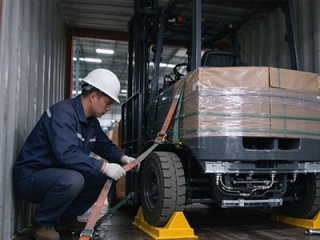 Full Container Supply For Export Forklifts, Forklift ManufacturerBulk forklift orders for overseas can ship by FCL or LCL. Newnewton FCL offers stable freight, safer packing and mixed models for large purchases.
Do you like ?0
Read more -
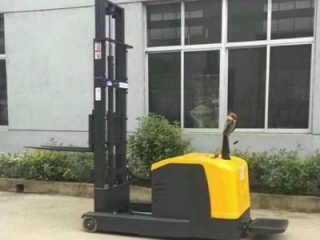 Stand-on Reach Stacker For Narrow Aisle Stacking, Mast Reach StructureStand-on reach stackers feature sliding masts that stay outside racks. They boost storage density in narrow aisles and require flat floors and standard pallets.
Do you like ?0
Read more -
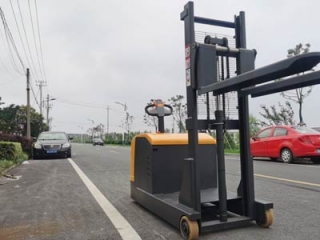 Stand-on Counterbalance Stacker For Various Pallets, Why No Leg RestrictionCounterbalance stackers have no front outriggers, using rear counterweight to avoid pallet interference. They fit various odd pallets yet need wider warehouse aisles.
Do you like ?0
Read more -
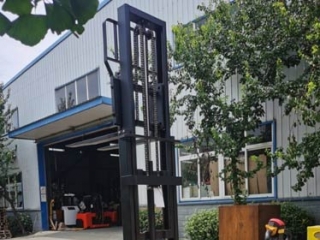 Custom Walk-Behind Counterbalance Stacker | Non-Standard ModificationsStandard walk-behind counterbalance stackers struggle with non-standard pallets and tight aisles. Customize load, lift, forks and structure, share working conditions for safe design.
Do you like ?0
Read more