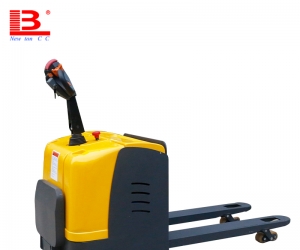
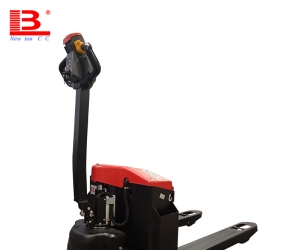
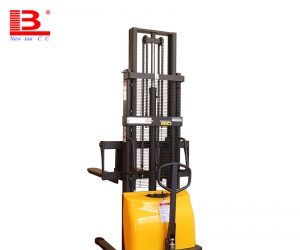
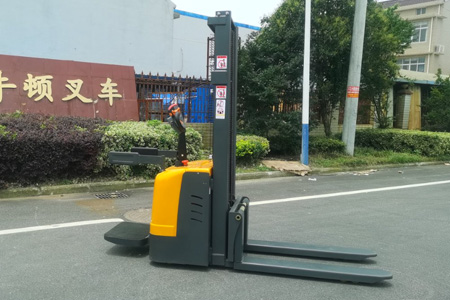
To improve warehouse operation efficiency, many companies choose easy-to-operate forklifts to save time and labor, allowing teams to focus on business optimization. The easy-to-operate ride-on electric stacker is widely favored for its electric drive, long battery life, precise control and flexible load and lifting configurations, fully meeting modern handling needs.
However, like all handling equipment, even user-friendly models may face some common issues during daily use. This article summarizes typical problems to help you solve troubles quickly and avoid affecting work efficiency.
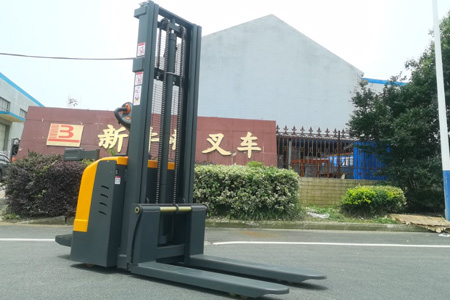
Travel and Lifting Faults
Slow lifting or inability to lift: Usually caused by insufficient hydraulic oil, clogged filter, weak motor performance, worn hydraulic pump or low battery power reducing load capacity.Excessively fast or uncontrolled lowering: Often due to loose lowering throttle valve, aging oil seal leakage or faulty control valve in the operating handle, which may lead to unstable cargo movement.
No movement or weak driving: Common causes include low battery, poor contactor connection, locked drive wheel brake or abnormal signal from the accelerator handle.
Electrical System Problems
No power response or dark dashboard: Mostly from unclosed main power switch, blown fuse, loose or oxidized battery connection, or poor contact in the key switch.Fast power consumption and shortened runtime: Battery aging, insufficient water (for non-maintenance-free models), faulty charging module or long-term overloading can all reduce endurance significantly.
Unexpected emergency stop and frequent power cuts: Stuck emergency button, short circuit, water ingress or moisture in the control handle may cause sudden power failure.
Body and Operation Minor Faults
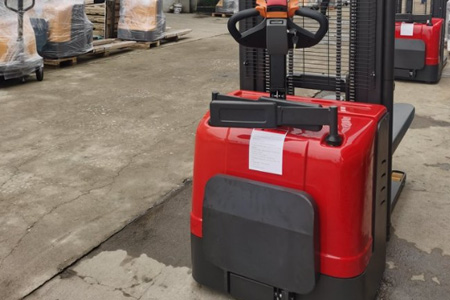
Non-responsive control handle or buttons: Worn internal wiring or oxidized switch contacts are common minor issues for this type of equipment.Abnormal noise and vibration during movement: Worn drive wheel bearing, loose chain, damaged balance wheel or debris obstruction can lead to unusual sounds.
Poor braking or sliding: Faulty electromagnetic brake coil, worn brake pads or weak brake springs bring high risks when working on ramps.
By understanding these problems and their causes, users can quickly troubleshoot on site and reduce factory repair needs. As a widely used ride-on electric stacker, knowing how to deal with common faults of fully electric stackers helps maintain stable operation, save time and cost, and ensure continuous high efficiency in warehouse work.
-
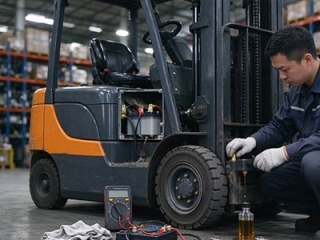 Reliability Of Newnewton Warehouse Forklifts For Heavy-Duty ShiftsWarehouse forklift reliability relies on industrial parts, reinforced frames and factory durability tests. Proper operation and maintenance reduce unexpected downtime.
Do you like ?0
Read more -
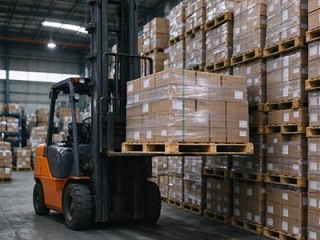 Forklift Configuration Strategy For Dense Warehousing, Warehouse ForkliftDense warehousing needs matched forklifts besides racks. Reach and trilateral stackers fit different layouts, coordinate aisle, load curve and floor for smooth handling.
Do you like ?0
Read more -
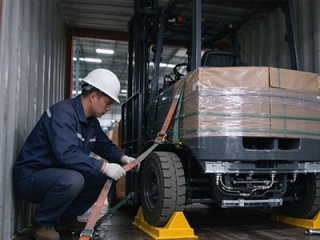 Full Container Supply For Export Forklifts, Forklift ManufacturerBulk forklift orders for overseas can ship by FCL or LCL. Newnewton FCL offers stable freight, safer packing and mixed models for large purchases.
Do you like ?0
Read more -
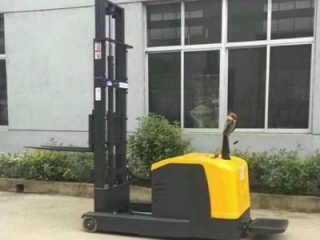 Stand-on Reach Stacker For Narrow Aisle Stacking, Mast Reach StructureStand-on reach stackers feature sliding masts that stay outside racks. They boost storage density in narrow aisles and require flat floors and standard pallets.
Do you like ?0
Read more -
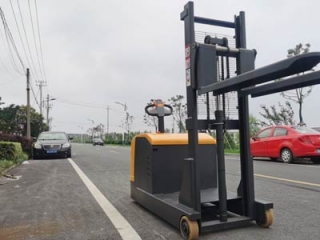 Stand-on Counterbalance Stacker For Various Pallets, Why No Leg RestrictionCounterbalance stackers have no front outriggers, using rear counterweight to avoid pallet interference. They fit various odd pallets yet need wider warehouse aisles.
Do you like ?0
Read more -
 Custom Walk-Behind Counterbalance Stacker | Non-Standard ModificationsStandard walk-behind counterbalance stackers struggle with non-standard pallets and tight aisles. Customize load, lift, forks and structure, share working conditions for safe design.
Do you like ?0
Read more