
Boost Handling Efficiency with Stand-on Fully Electric Pallet Truck
Many buyers wonder why there’s a big price gap between stand-on and walk-behind pallet trucks, thinking the only difference is operation posture. In fact, they differ greatly in performance and configuration. Let’s figure out Which Is Better: Stand-on or Walk-behind Pallet Truck.
Walk-behind Electric Pallet Truck
Operators control the truck while walking alongside it. Compact body with small turning radius and low initial cost. It fits narrow aisles of small warehouses, store backyards and mini workshops, featuring easy maintenance and affordable spare parts.
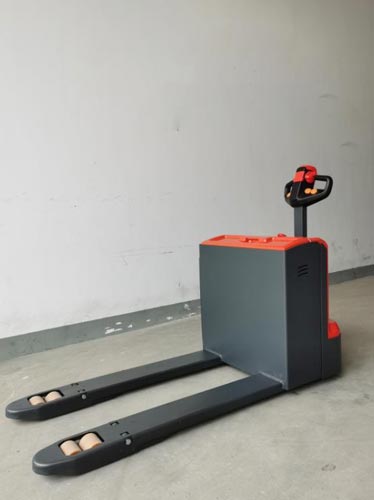
Drawbacks: Operators get exhausted after over 4 hours of continuous work due to constant walking. Low traveling speed leads to poor efficiency for high-volume frequent transfer. Best for small sites with intermittent light-duty tasks and tight budgets.
Stand-on Fully Electric Pallet Truck
Equipped with a dedicated standing platform, this Stand-on Fully Electric Pallet Truck lets operators ride on board to cut labor fatigue, suitable for 8-hour non-stop shifts. Higher driving speed lifts handling efficiency by over 60% compared with walk-behind models, widely used in logistics parks, large e-commerce warehouses and mass-production factories.
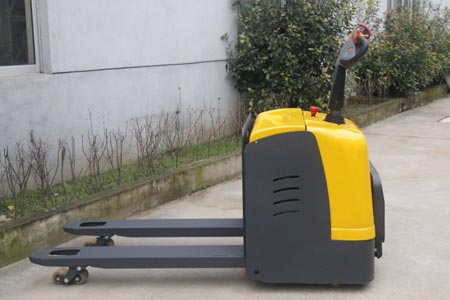
Built with heavy-duty frame, available in 1.5t, 2t and 3t load capacities. Stable hydraulic lifting protects goods and pallets; stepless speed control ensures smooth startup, light steering and responsive brakes for safe heavy-load transport.
It can be fitted with large-capacity lithium batteries for all-day continuous operation, supporting fast charging for quick energy refills. Side guard baffles prevent collision damage from racks and cargo with complete human-machine protection design.
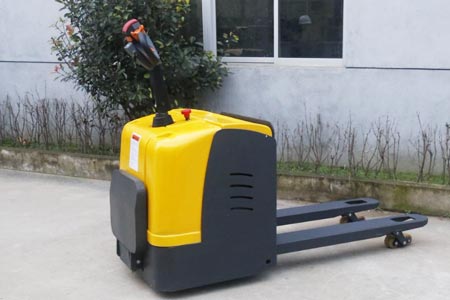
Drawbacks: Wider aisle requirement than walk-behind trucks and higher purchase price.
Final Selection Suggestion
Choose walk-behind pallet trucks for small warehouses, sporadic stocking, short operation hours and cost control. Pick the Stand-on Fully Electric Pallet Truck for high cargo throughput, long continuous shifts and higher overall warehouse handling efficiency.
-
 Reliability Of Newnewton Warehouse Forklifts For Heavy-Duty ShiftsWarehouse forklift reliability relies on industrial parts, reinforced frames and factory durability tests. Proper operation and maintenance reduce unexpected downtime.
Do you like ?0
Read more -
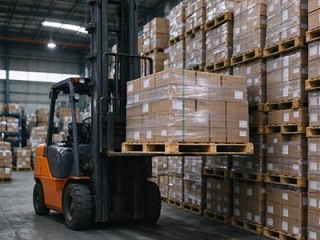 Forklift Configuration Strategy For Dense Warehousing, Warehouse ForkliftDense warehousing needs matched forklifts besides racks. Reach and trilateral stackers fit different layouts, coordinate aisle, load curve and floor for smooth handling.
Do you like ?0
Read more -
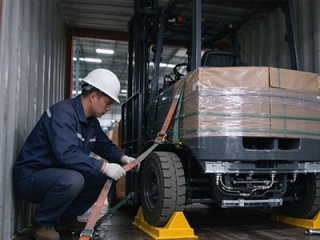 Full Container Supply For Export Forklifts, Forklift ManufacturerBulk forklift orders for overseas can ship by FCL or LCL. Newnewton FCL offers stable freight, safer packing and mixed models for large purchases.
Do you like ?0
Read more -
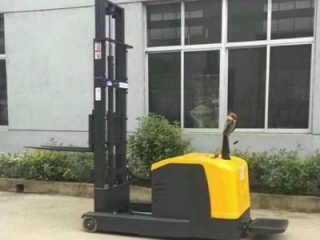 Stand-on Reach Stacker For Narrow Aisle Stacking, Mast Reach StructureStand-on reach stackers feature sliding masts that stay outside racks. They boost storage density in narrow aisles and require flat floors and standard pallets.
Do you like ?0
Read more -
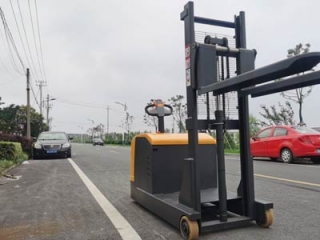 Stand-on Counterbalance Stacker For Various Pallets, Why No Leg RestrictionCounterbalance stackers have no front outriggers, using rear counterweight to avoid pallet interference. They fit various odd pallets yet need wider warehouse aisles.
Do you like ?0
Read more -
 Custom Walk-Behind Counterbalance Stacker | Non-Standard ModificationsStandard walk-behind counterbalance stackers struggle with non-standard pallets and tight aisles. Customize load, lift, forks and structure, share working conditions for safe design.
Do you like ?0
Read more








