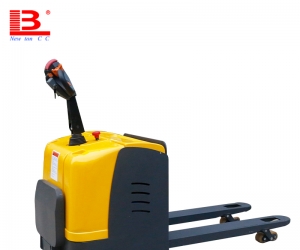
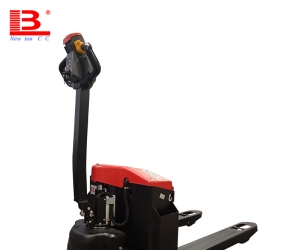
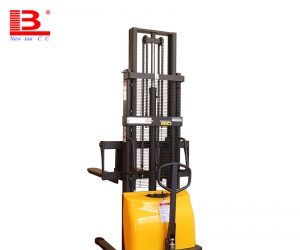
What are the similarities and differences between the use of a semi electric sta
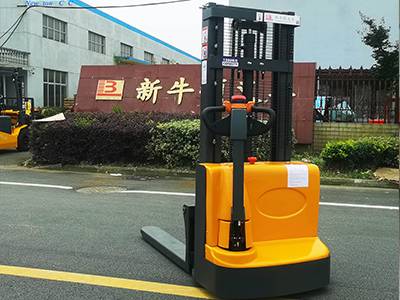
In Jiangsu warehouse forklifts, there are full electric forklifts and semi electric stackers. full electric stackers are electric for lifting and walking, which is suitable for long-distance transportation. The semi electric stacker is a walking manpower, lifting electric, also called a semi electric stacker. So which one is more suitable for us? Specifically, look at the similarities and differences between semi electric stackers and full electric stackers in operation.
1. The weight of the cargo must be known before the semi electric stacker is hoisted, and the weight of the cargo must not exceed the rated lifting capacity of the semi electric stacker. This is the general requirement of Jiangsu electric forklifts, and full electric forklifts are naturally not overloaded.
2. When the semi electric stacker lifts the packaged goods, pay attention to whether the goods are tightly wrapped. This is very important. If it is not checked properly, it is easy to cause the goods to be scattered after the goods are raised, and the risk factor will increase. Similarly, full electric stackers also need to be checked before the goods are reloaded.
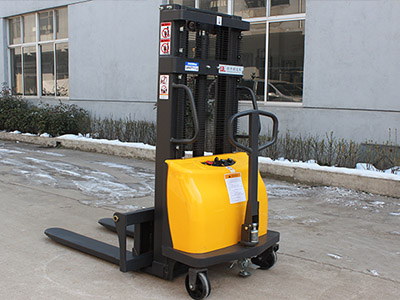
3. Adjust the fork spacing of the semi electric stacker according to the size of the goods, so that the goods are evenly distributed between the two forks of the semi electric stacker to avoid partial load. The forklift steps of full electric stackers in Jiangsu warehouse forklifts are basically the same. Avoiding partial load is one of the basic principles of using electric forklifts.
4. The semi electric stacker does not tilt forward and backward like the full electric forklift. For forklifts, the main frame of the full electric forklift tilts forward. After the cargo is loaded into the fork, the mast should be tilted backward to make the cargo close to the wall of the fork. The mast of the semi electric stacker is fixed, so the forklift should be careful to place the pallet carrying the goods close to one end of the fork gantry, and the goods must be in the center when placed on the pallet.
7. The walking and lifting of the semi electric stacker are not allowed to be operated at the same time. The same is true for full electric stackers. Because no matter what kind of forklift in Jiangsu warehouse forklift, the center of gravity will move up after the goods are raised. Walking with the center of gravity moved up, it is easy to overturn the truck.
-
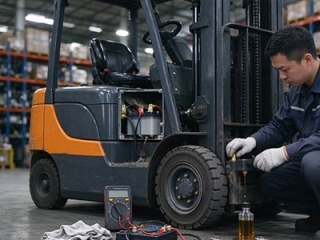 Reliability Of Newnewton Warehouse Forklifts For Heavy-Duty ShiftsWarehouse forklift reliability relies on industrial parts, reinforced frames and factory durability tests. Proper operation and maintenance reduce unexpected downtime.
Do you like ?0
Read more -
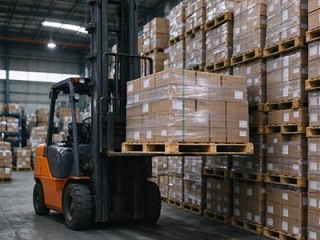 Forklift Configuration Strategy For Dense Warehousing, Warehouse ForkliftDense warehousing needs matched forklifts besides racks. Reach and trilateral stackers fit different layouts, coordinate aisle, load curve and floor for smooth handling.
Do you like ?0
Read more -
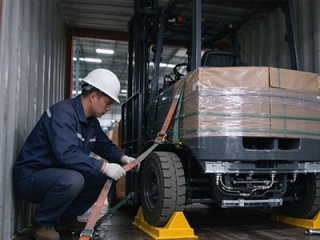 Full Container Supply For Export Forklifts, Forklift ManufacturerBulk forklift orders for overseas can ship by FCL or LCL. Newnewton FCL offers stable freight, safer packing and mixed models for large purchases.
Do you like ?0
Read more -
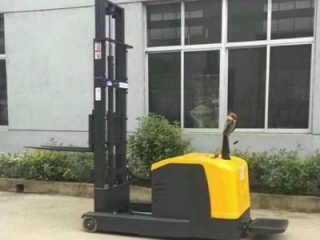 Stand-on Reach Stacker For Narrow Aisle Stacking, Mast Reach StructureStand-on reach stackers feature sliding masts that stay outside racks. They boost storage density in narrow aisles and require flat floors and standard pallets.
Do you like ?0
Read more -
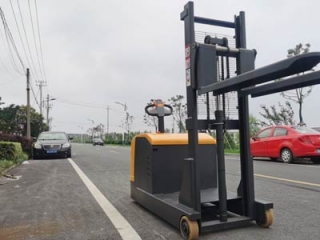 Stand-on Counterbalance Stacker For Various Pallets, Why No Leg RestrictionCounterbalance stackers have no front outriggers, using rear counterweight to avoid pallet interference. They fit various odd pallets yet need wider warehouse aisles.
Do you like ?0
Read more -
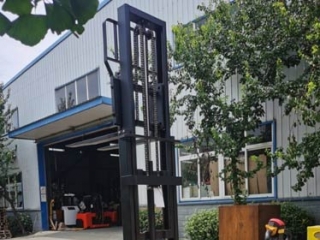 Custom Walk-Behind Counterbalance Stacker | Non-Standard ModificationsStandard walk-behind counterbalance stackers struggle with non-standard pallets and tight aisles. Customize load, lift, forks and structure, share working conditions for safe design.
Do you like ?0
Read more