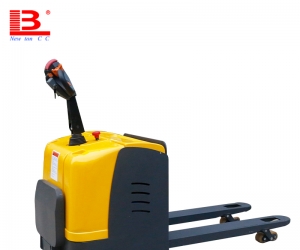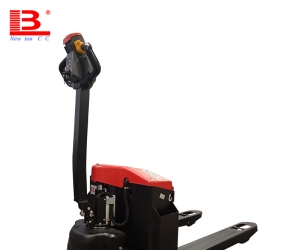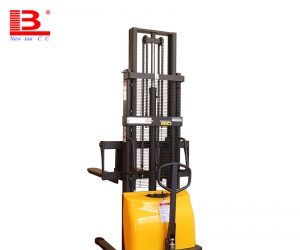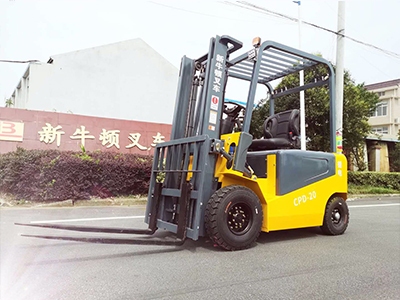
Small electric forklifts are now very common in the market, and they are widely used in various industries. Of course, some industries have specific performance and quality requirements for forklifts, such as petroleum, chemical, pharmaceutical, textile and other dangerous industries that store flammable and explosive materials.
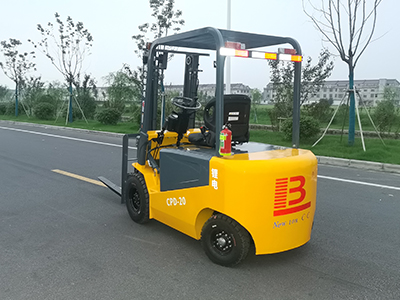
In the processing, use, loading and unloading and storage and transportation of flammable and explosive dangerous goods such as petroleum, chemical, textile, pharmaceutical, paper, paint, etc., battery explosion-proof forklifts are the most widely used, including the use of small electric forklifts to transport raw materials to Processing sites, transportation of finished products to storage and transportation sites, and loading of dangerous goods on transportation vehicles. During these processes, the compact electric forklift occasionally encountered some operational accidents, such as the cargo accidentally falling or being punctured from the fork of the small electric forklift, and the mini electric forklift hitting the stacked cargo, pipes or other equipment It can cause the leakage, evaporation and diffusion of flammable substances. In addition, during the normal processing of combustible substances (such as material filling, discharge, crushing), its leakage, evaporation and diffusion are also inevitable. Once these flammable substances are mixed with air, they will form an explosive mixture. When the concentration reaches the explosive limit value and sufficient ignition energy is encountered, it will cause combustion or explosion.
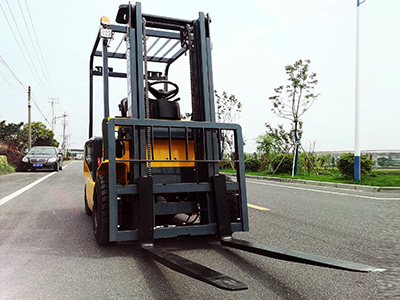
When small electric forklifts work in this environment, because small electric forklifts have high-temperature surfaces, high-temperature exhaust, exhaust sparks, electric arcs, electric sparks, static electricity and other ignition sources, if they are not protected against explosion, their potential hazards may be Happens at any time. How to improve the efficiency of material handling in explosive hazardous locations while ensuring the safety of operations? Choosing to use battery explosion-proof forklifts is the best way to solve this problem.
The above content is shared by electric forklift manufacturers for you.
-
 Reliability Of Newnewton Warehouse Forklifts For Heavy-Duty ShiftsWarehouse forklift reliability relies on industrial parts, reinforced frames and factory durability tests. Proper operation and maintenance reduce unexpected downtime.
Do you like ?0
Read more -
 Forklift Configuration Strategy For Dense Warehousing, Warehouse ForkliftDense warehousing needs matched forklifts besides racks. Reach and trilateral stackers fit different layouts, coordinate aisle, load curve and floor for smooth handling.
Do you like ?0
Read more -
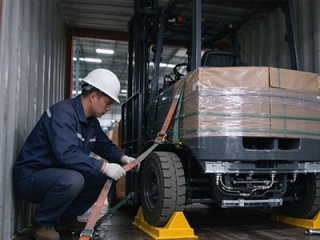 Full Container Supply For Export Forklifts, Forklift ManufacturerBulk forklift orders for overseas can ship by FCL or LCL. Newnewton FCL offers stable freight, safer packing and mixed models for large purchases.
Do you like ?0
Read more -
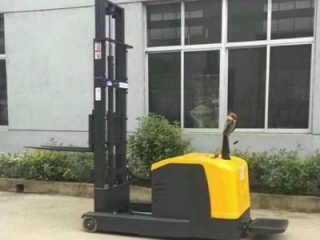 Stand-on Reach Stacker For Narrow Aisle Stacking, Mast Reach StructureStand-on reach stackers feature sliding masts that stay outside racks. They boost storage density in narrow aisles and require flat floors and standard pallets.
Do you like ?0
Read more -
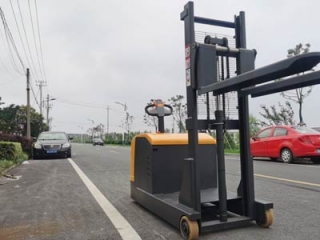 Stand-on Counterbalance Stacker For Various Pallets, Why No Leg RestrictionCounterbalance stackers have no front outriggers, using rear counterweight to avoid pallet interference. They fit various odd pallets yet need wider warehouse aisles.
Do you like ?0
Read more -
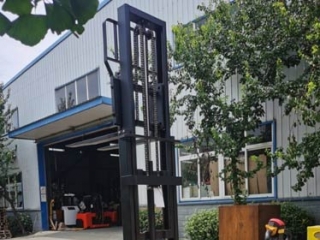 Custom Walk-Behind Counterbalance Stacker | Non-Standard ModificationsStandard walk-behind counterbalance stackers struggle with non-standard pallets and tight aisles. Customize load, lift, forks and structure, share working conditions for safe design.
Do you like ?0
Read more