How much does a small electric forklift cost? Three key factors
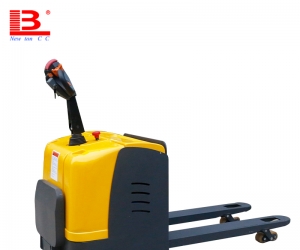
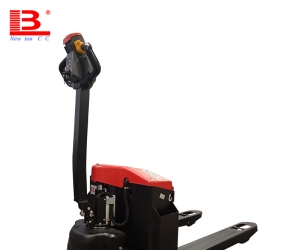
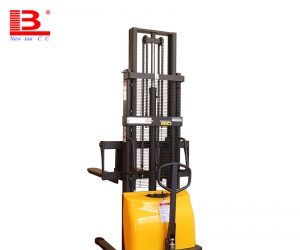
How much does a small electric forklift cost? This is a common question for many small and medium enterprises and self-employed buyers. Ideal for small warehouse replenishment, workshop material handling, and supermarket loading/unloading, fully electric small forklifts are widely loved for their agility, eco-friendliness, and compact size. However, there is no fixed price. Understanding the key factors will help you choose a cost-effective model that best fits your needs.
Load Capacity
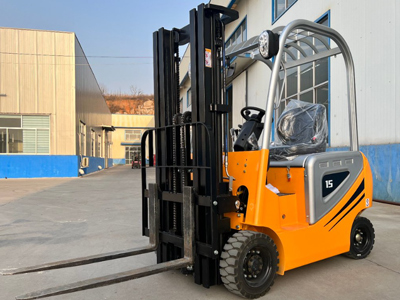
Manufacturing costs vary significantly by load rating. Most small electric forklift range from 0.5 to 2 tons. For light, small cargo, a 0.5–1 ton unit is sufficient and more affordable. For heavier materials, a 1.5–2 ton heavy-duty model is needed, with reinforced frames, upgraded hydraulics, and stronger drive motors for long-term heavy use, resulting in a higher price. Choosing the right load capacity avoids waste and controls procurement costs.
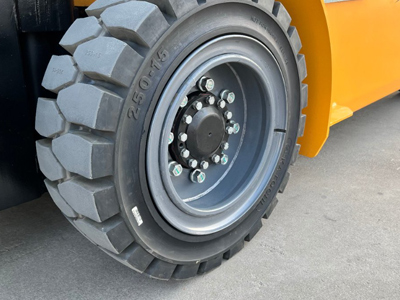
Lifting Height
Although less impactful than load capacity, lifting height still affects pricing. Standard lifting heights range from 1.6 to 3.5 meters, suitable for low-level racking and ground handling, at a more economical price. For high-level racks, custom models above 3.5 meters are required, with reinforced masts, extended hydraulic cylinders, and upgraded chains and lifting systems, which add to the cost.
Core Components
Battery, controller, and drive motor are major factors in price variation:
Lead-acid batteries offer good value, ideal for low-frequency use. Paired with domestic controllers and standard motors, they keep the overall price low.
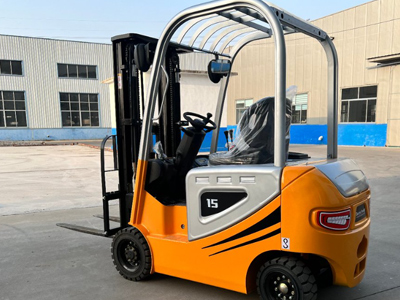
Lithium batteries provide longer runtime, faster charging, and longer service life. Combined with imported controllers and high-efficiency motors, they improve performance and stability but cost considerably more.Always clarify these component specifications before purchasing.
In short, the price of a small fully electric forklift is determined by load capacity, lifting height, and core configuration. With these factors in mind, you can make a well-informed decision and select the right model for your operation.
-
 Reliability Of Newnewton Warehouse Forklifts For Heavy-Duty ShiftsWarehouse forklift reliability relies on industrial parts, reinforced frames and factory durability tests. Proper operation and maintenance reduce unexpected downtime.
Do you like ?0
Read more -
 Forklift Configuration Strategy For Dense Warehousing, Warehouse ForkliftDense warehousing needs matched forklifts besides racks. Reach and trilateral stackers fit different layouts, coordinate aisle, load curve and floor for smooth handling.
Do you like ?0
Read more -
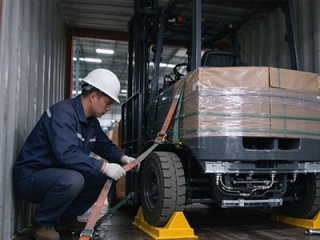 Full Container Supply For Export Forklifts, Forklift ManufacturerBulk forklift orders for overseas can ship by FCL or LCL. Newnewton FCL offers stable freight, safer packing and mixed models for large purchases.
Do you like ?0
Read more -
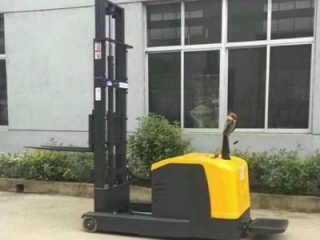 Stand-on Reach Stacker For Narrow Aisle Stacking, Mast Reach StructureStand-on reach stackers feature sliding masts that stay outside racks. They boost storage density in narrow aisles and require flat floors and standard pallets.
Do you like ?0
Read more -
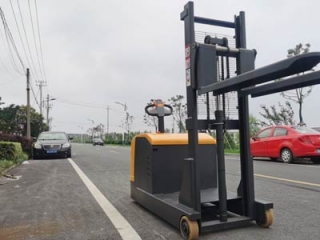 Stand-on Counterbalance Stacker For Various Pallets, Why No Leg RestrictionCounterbalance stackers have no front outriggers, using rear counterweight to avoid pallet interference. They fit various odd pallets yet need wider warehouse aisles.
Do you like ?0
Read more -
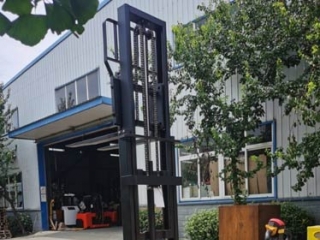 Custom Walk-Behind Counterbalance Stacker | Non-Standard ModificationsStandard walk-behind counterbalance stackers struggle with non-standard pallets and tight aisles. Customize load, lift, forks and structure, share working conditions for safe design.
Do you like ?0
Read more