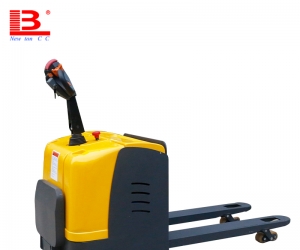
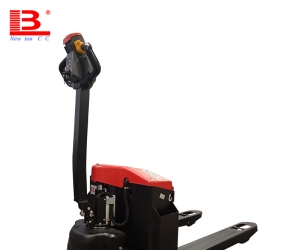
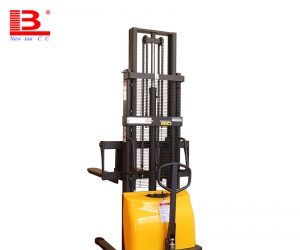
For first-time buyers, choosing the right forklift is often the biggest challenge. With so many models and complex specifications, it’s easy to make an ill-informed decision. Rest assured, this guide provides clear, practical selection criteria to help you choose based on your actual working conditions.
Here is a systematic forklift selection framework:
Assess Work Environment & Operating Conditions
Different environments require different forklifts:
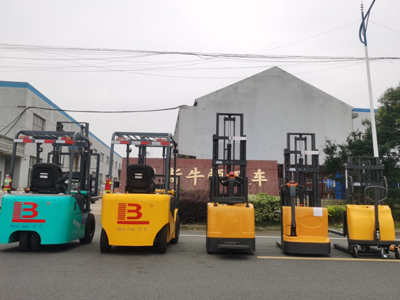
Indoor use (supermarkets, warehouses): Choose electric forklifts – eco-friendly, low-noise and emission-free.
Outdoor / construction sites: Choose internal combustion forklifts for strong power and durability in harsh conditions.
Narrow / confined spaces: Use reach forklifts or compact forklifts.
Open areas: Standard models or counterbalance forklifts are suitable.
Match Load Capacity & Lifting Height
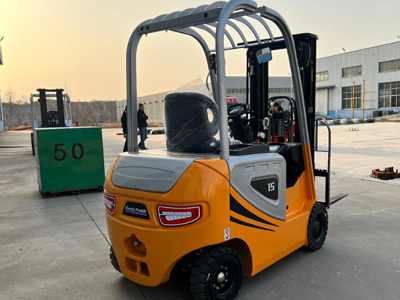
Load capacity: For light loads, most models work. For heavy loads, use special equipment such as counterbalance forklifts. As a general rule, if your routine load is 1 ton, select a 1.5‑ton forklift for safety margin.
Lifting height: Indoors or in containers, check ceiling height. Outdoors, simply match your stacking height. For very high stacking, use a stacker.
Prioritize Ease of Operation (Especially for New Users)
Since new operators often have limited experience, choose forklifts that are:
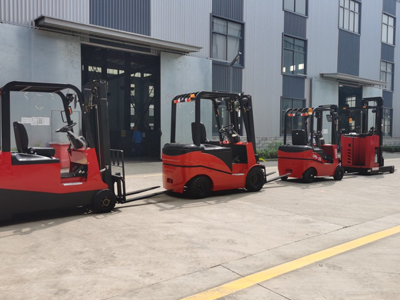
Low failure rate
Flexible and precise handling
Forklifts must only be operated by certified drivers. User-friendly models help new operators gain confidence and improve safety.
Conclusion
By following these forklift selection criteria – matching environment, load, lifting height and ease of use – you can confidently choose a forklift that fits your needs.
If you still have questions, feel free to ask for further advice.
-
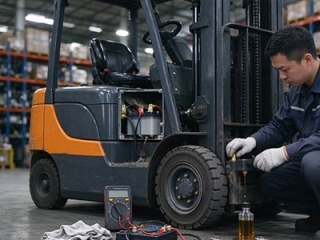 Reliability Of Newnewton Warehouse Forklifts For Heavy-Duty ShiftsWarehouse forklift reliability relies on industrial parts, reinforced frames and factory durability tests. Proper operation and maintenance reduce unexpected downtime.
Do you like ?0
Read more -
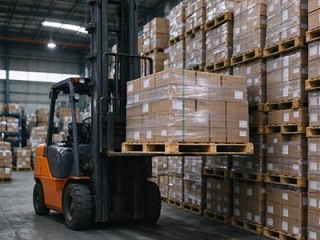 Forklift Configuration Strategy For Dense Warehousing, Warehouse ForkliftDense warehousing needs matched forklifts besides racks. Reach and trilateral stackers fit different layouts, coordinate aisle, load curve and floor for smooth handling.
Do you like ?0
Read more -
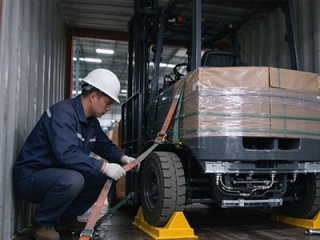 Full Container Supply For Export Forklifts, Forklift ManufacturerBulk forklift orders for overseas can ship by FCL or LCL. Newnewton FCL offers stable freight, safer packing and mixed models for large purchases.
Do you like ?0
Read more -
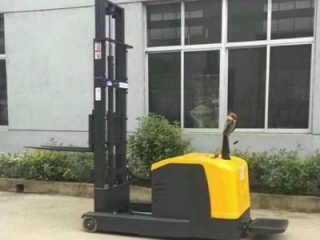 Stand-on Reach Stacker For Narrow Aisle Stacking, Mast Reach StructureStand-on reach stackers feature sliding masts that stay outside racks. They boost storage density in narrow aisles and require flat floors and standard pallets.
Do you like ?0
Read more -
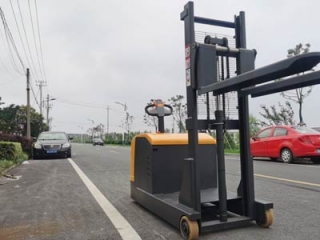 Stand-on Counterbalance Stacker For Various Pallets, Why No Leg RestrictionCounterbalance stackers have no front outriggers, using rear counterweight to avoid pallet interference. They fit various odd pallets yet need wider warehouse aisles.
Do you like ?0
Read more -
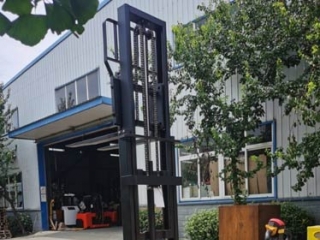 Custom Walk-Behind Counterbalance Stacker | Non-Standard ModificationsStandard walk-behind counterbalance stackers struggle with non-standard pallets and tight aisles. Customize load, lift, forks and structure, share working conditions for safe design.
Do you like ?0
Read more