Common Electric Forklift Issues & Solutions for Longer Service Life
As essential handling equipment in logistics and warehousing, electric forklifts enjoy great popularity across various industries. However, electric forklift troubleshooting is a common concern for many users, as frequent malfunctions can lead to poor operational experience, reduced work efficiency and unnecessary downtime. Today, we will share simple and practical tips to help you make your electric forklift more durable and reliable.
Common Electric Forklift Issues & Fixes
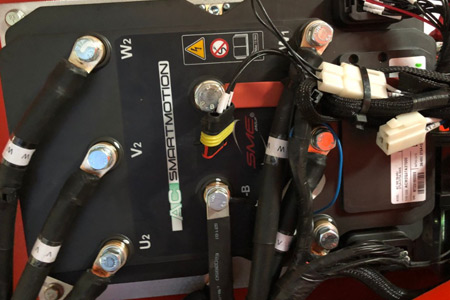
Power On But No MovementCheck whether the emergency stop button is reset, the parking brake is released, and the battery power is sufficient. Reset the emergency stop, release the parking brake and recharge the forklift if needed. If the problem persists, inspect the controller connectors for loose or damaged parts.
Lifting Failure or Slow LiftingThis issue usually results from insufficient hydraulic oil, faulty lifting motor, clogged filter or low battery power. Refill hydraulic oil to the standard level, clean the filter screen and fully charge the battery. Stop the machine immediately for maintenance if abnormal noise occurs during operation.
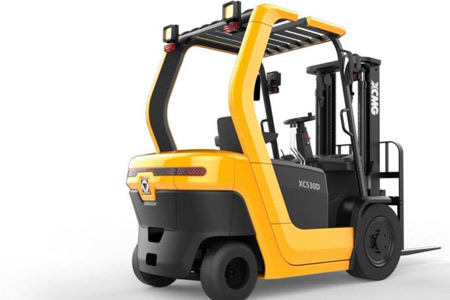
Heavy Steering or Abnormal NoiseCommon causes include low power, defective steering motor, worn bearings or wheel assembly jamming. Fully charge the forklift, remove debris from the wheels, and inspect the bearing condition. For serious faults, contact professional after-sales service for repair.
Charging Failure or Overheating During ChargingLoose plugs, aging batteries and mismatched chargers are the main triggers. Reconnect the charging plug securely, perform a monthly recharge when the forklift is not in use for a long time, and never use non-original chargers. Proper charging habits are key to forklift battery life extension and stable equipment performance.
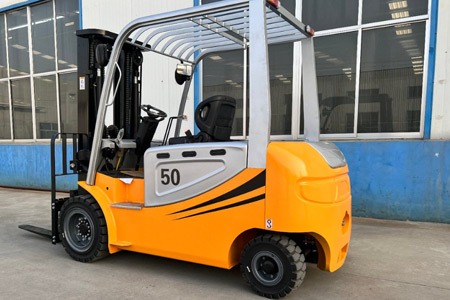
Forklift Vibration or Deviated DrivingWorn tires, uneven tire pressure, unbalanced load on forks and loose frame components often cause such problems. Adjust the cargo position to keep it centered, check tire condition and tighten all loose screws. Avoid long-term unbalanced loading to prevent accelerated wear of key parts.
In summary, most of these electric forklift faults are easy to diagnose and resolve with basic maintenance knowledge. By mastering methods to reduce electric forklift energy consumption and performing routine checks, you can effectively avoid frequent breakdowns and extend the service life of your forklift. If you encounter any other unresolved issues with your electric forklift, feel free to reach out to us for professional support.
-
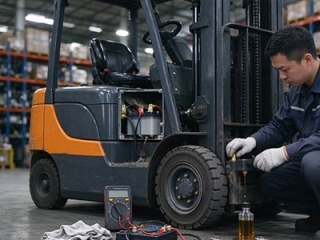 Reliability Of Newnewton Warehouse Forklifts For Heavy-Duty ShiftsWarehouse forklift reliability relies on industrial parts, reinforced frames and factory durability tests. Proper operation and maintenance reduce unexpected downtime.
Do you like ?0
Read more -
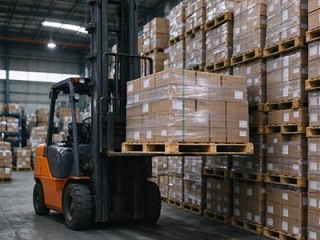 Forklift Configuration Strategy For Dense Warehousing, Warehouse ForkliftDense warehousing needs matched forklifts besides racks. Reach and trilateral stackers fit different layouts, coordinate aisle, load curve and floor for smooth handling.
Do you like ?0
Read more -
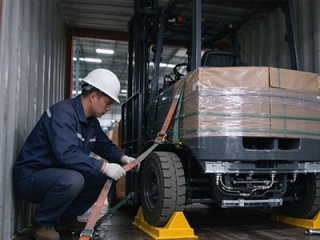 Full Container Supply For Export Forklifts, Forklift ManufacturerBulk forklift orders for overseas can ship by FCL or LCL. Newnewton FCL offers stable freight, safer packing and mixed models for large purchases.
Do you like ?0
Read more -
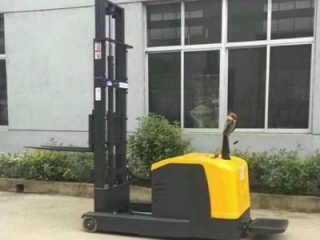 Stand-on Reach Stacker For Narrow Aisle Stacking, Mast Reach StructureStand-on reach stackers feature sliding masts that stay outside racks. They boost storage density in narrow aisles and require flat floors and standard pallets.
Do you like ?0
Read more -
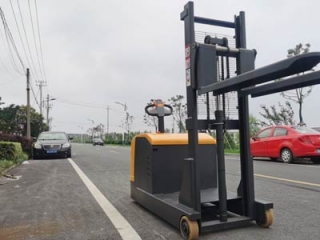 Stand-on Counterbalance Stacker For Various Pallets, Why No Leg RestrictionCounterbalance stackers have no front outriggers, using rear counterweight to avoid pallet interference. They fit various odd pallets yet need wider warehouse aisles.
Do you like ?0
Read more -
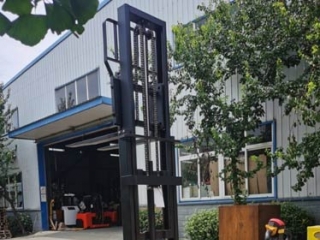 Custom Walk-Behind Counterbalance Stacker | Non-Standard ModificationsStandard walk-behind counterbalance stackers struggle with non-standard pallets and tight aisles. Customize load, lift, forks and structure, share working conditions for safe design.
Do you like ?0
Read more