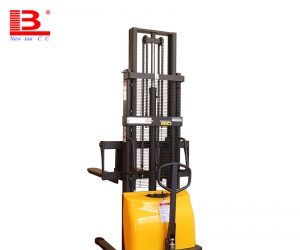
Manual Pallet Stacker 1 Ton for Logistics Warehouse Efficiency
For light‑duty stacking tasks in most logistics warehouses, e‑commerce sorting areas, small storage rooms, and store stock preparation, a 1 ton manual hydraulic stacker is practical, cost‑effective, and reliable enough to fully meet daily operational needs. Today we will break down the key advantages of this manual handling equipment.
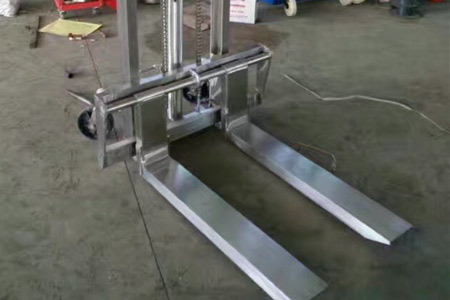
A 1‑ton load capacity is more than sufficient for small and medium‑sized factory warehouses. For typical lightweight goods, as long as the total weight including pallets does not exceed 900 kg, a 1 ton manual hydraulic stacker will perform reliably. This is an important reference when deciding on the right load capacity for your equipment. Always avoid overloading, as it will significantly reduce operational safety.
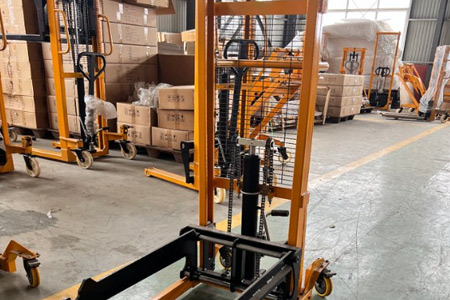
With manual hydraulic operation, both movement and lifting rely on human control, allowing operators to easily manage speed. This type of stacker requires no electricity, lowering energy consumption and resulting in very low ongoing maintenance costs, making it an ideal choice for teams with limited budgets.
A logistics warehouse manual stacker requires no space for batteries, as it only uses a hydraulic system and oil cylinder. Its compact design allows easy movement in narrow aisles, delivering excellent flexibility and making cargo handling simpler and more efficient.
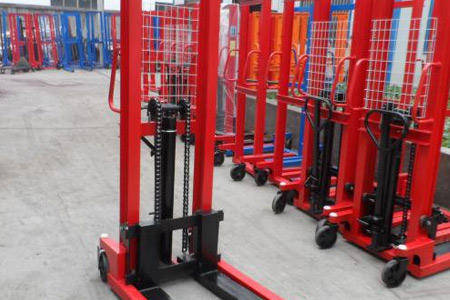
When used in logistics facilities, manual stackers are perfectly suited for light‑load, small‑batch, and short‑distance stacking operations. This fully unlocks the performance of manual handling equipment, supporting smooth, labor‑saving, and highly efficient work to improve overall productivity.
In conclusion, when purchasing material handling equipment, do not only focus on expensive electric models. By evaluating your actual working conditions, you can select the most suitable machine. For many current and future operational scenarios, a cost‑effective and durable manual hydraulic stacker may be the most economical and practical choice.
-
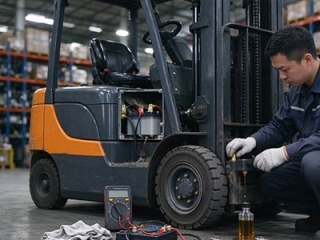 Reliability Of Newnewton Warehouse Forklifts For Heavy-Duty ShiftsWarehouse forklift reliability relies on industrial parts, reinforced frames and factory durability tests. Proper operation and maintenance reduce unexpected downtime.
Do you like ?0
Read more -
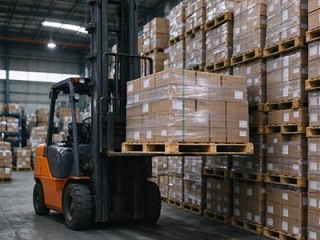 Forklift Configuration Strategy For Dense Warehousing, Warehouse ForkliftDense warehousing needs matched forklifts besides racks. Reach and trilateral stackers fit different layouts, coordinate aisle, load curve and floor for smooth handling.
Do you like ?0
Read more -
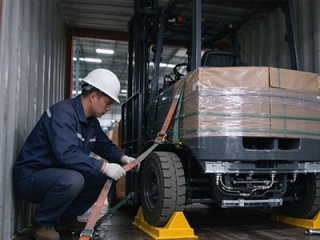 Full Container Supply For Export Forklifts, Forklift ManufacturerBulk forklift orders for overseas can ship by FCL or LCL. Newnewton FCL offers stable freight, safer packing and mixed models for large purchases.
Do you like ?0
Read more -
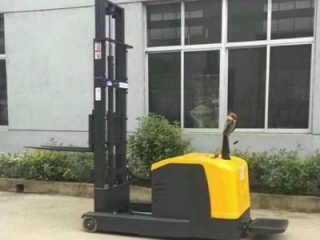 Stand-on Reach Stacker For Narrow Aisle Stacking, Mast Reach StructureStand-on reach stackers feature sliding masts that stay outside racks. They boost storage density in narrow aisles and require flat floors and standard pallets.
Do you like ?0
Read more -
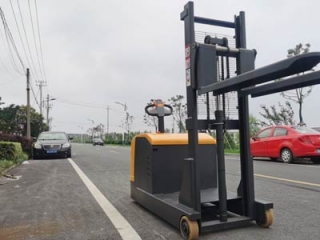 Stand-on Counterbalance Stacker For Various Pallets, Why No Leg RestrictionCounterbalance stackers have no front outriggers, using rear counterweight to avoid pallet interference. They fit various odd pallets yet need wider warehouse aisles.
Do you like ?0
Read more -
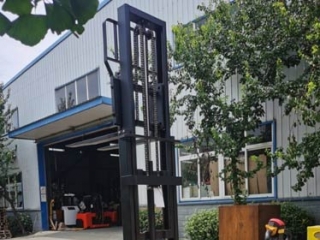 Custom Walk-Behind Counterbalance Stacker | Non-Standard ModificationsStandard walk-behind counterbalance stackers struggle with non-standard pallets and tight aisles. Customize load, lift, forks and structure, share working conditions for safe design.
Do you like ?0
Read more