
High-efficiency Diesel Forklift: Key Power Features & Structural Design
Choosing a qualified diesel forklift is critical for warehouse daily handling. Many buyers don’t know how to distinguish high-quality models. To help you make cost-effective purchases and avoid unnecessary losses, this article explains the power characteristics of high-efficiency internal combustion forklift and core structural selection criteria.
The power system determines acceleration, climbing performance and continuous working capacity, serving as the core standard for evaluating working efficiency. Premium diesel forklifts are equipped with industrial-grade diesel engines, delivering sufficient torque and stable power output.
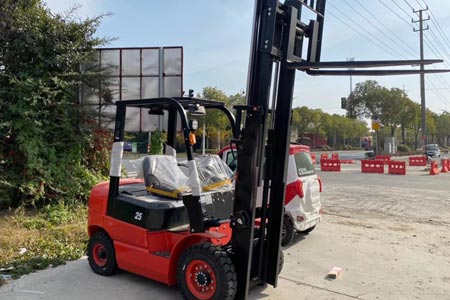
These models perform well under heavy-load startup, slope driving and rough road conditions without power attenuation or frequent stalling. Buyers should focus on rated power and maximum torque parameters, as high-torque engines are more suitable for intensive, start-stop frequent scenarios.
Apart from power performance, reasonable diesel forklift structural design is also an indispensable factor for long-term stable operation.
Rigid frame and reinforced mast greatly improve durability. Integrated thickened steel frames effectively resist deformation and cracks caused by long-term overload, collision and bumping. The high-quality lifting mast features fine welding craftsmanship and balanced guide rails, ensuring stable lifting without shaking during high-level stacking.
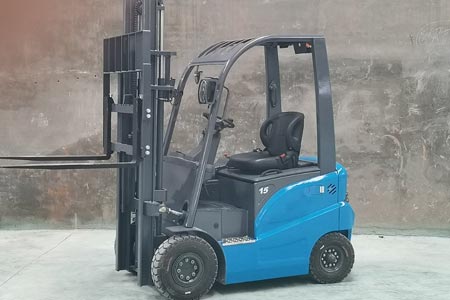
A scientific walking and steering structure enhances operational flexibility. Complete safety accessories including overhead guards and anti-fall baffles meet industrial safety standards. Besides, standardized internal wiring and reasonable component layout reserve enough maintenance space, simplifying daily upkeep and part replacement to reduce downtime caused by equipment failure.
To sum up, analyzing power characteristics and overall structure is the most reliable way to select a durable and high-efficiency internal combustion forklift for your warehouse.
-
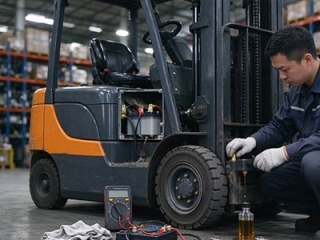 Reliability Of Newnewton Warehouse Forklifts For Heavy-Duty ShiftsWarehouse forklift reliability relies on industrial parts, reinforced frames and factory durability tests. Proper operation and maintenance reduce unexpected downtime.
Do you like ?0
Read more -
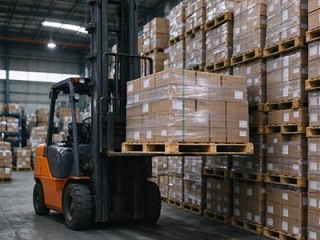 Forklift Configuration Strategy For Dense Warehousing, Warehouse ForkliftDense warehousing needs matched forklifts besides racks. Reach and trilateral stackers fit different layouts, coordinate aisle, load curve and floor for smooth handling.
Do you like ?0
Read more -
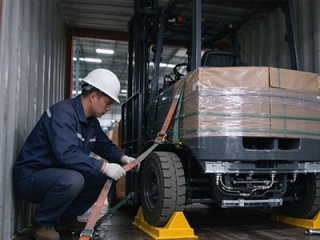 Full Container Supply For Export Forklifts, Forklift ManufacturerBulk forklift orders for overseas can ship by FCL or LCL. Newnewton FCL offers stable freight, safer packing and mixed models for large purchases.
Do you like ?0
Read more -
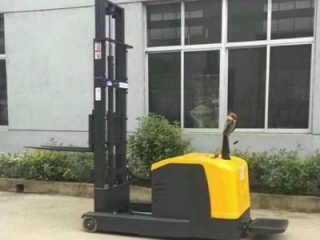 Stand-on Reach Stacker For Narrow Aisle Stacking, Mast Reach StructureStand-on reach stackers feature sliding masts that stay outside racks. They boost storage density in narrow aisles and require flat floors and standard pallets.
Do you like ?0
Read more -
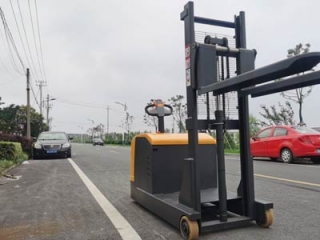 Stand-on Counterbalance Stacker For Various Pallets, Why No Leg RestrictionCounterbalance stackers have no front outriggers, using rear counterweight to avoid pallet interference. They fit various odd pallets yet need wider warehouse aisles.
Do you like ?0
Read more -
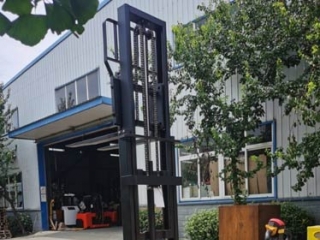 Custom Walk-Behind Counterbalance Stacker | Non-Standard ModificationsStandard walk-behind counterbalance stackers struggle with non-standard pallets and tight aisles. Customize load, lift, forks and structure, share working conditions for safe design.
Do you like ?0
Read more








