Energy-saving Diesel Forklift | Working Principle & Fuel-saving Tips
High fuel cost is the biggest concern for diesel forklift users. Learning the working principle of internal combustion forklift helps you master practical fuel-saving methods and cut operating expenses effectively.
Working Principle
The energy-saving diesel forklift is driven by internal combustion power system. The engine compresses air to generate high temperature, then injects and atomizes diesel for combustion. It converts thermal energy into mechanical power, which is transmitted to traveling mechanism and hydraulic system to finish lifting and tilting tasks via hydraulic pump.
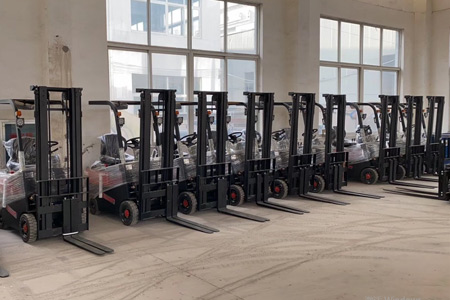
Optimized core structure of the energy-saving diesel forklift upgrades air intake supercharging, fuel injection and combustion ratio systems. It realizes more sufficient fuel burning, less fuel waste and lower exhaust emission. It reduces fuel consumption fundamentally while keeping original load capacity and strong power.
Practical Fuel-saving Skills
Start and drive steadily, avoid sudden acceleration. Constant speed driving matches power output best and saves more fuel.
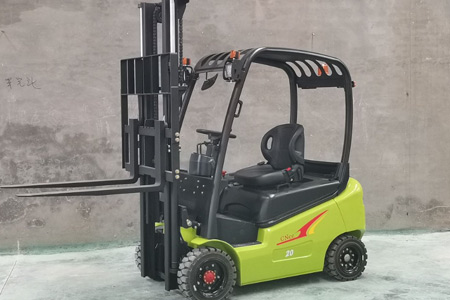
Never overload goods. Overloading increases engine load and leads to sharp rise in fuel consumption.
Cut down idle running time. Turn off the engine during waiting time to save oil and prevent carbon deposit.
Stick to regular maintenance. Replace three filters regularly, clean engine carbon deposit and adjust fuel injector. Keep proper tire pressure to reduce driving resistance.
Once you fully understand the principle of energy-saving diesel forklift, combine standardized operation habits with original fuel-saving design, you can perfectly solve high fuel consumption problems of diesel forklifts.
-
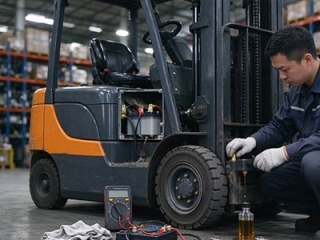 Reliability Of Newnewton Warehouse Forklifts For Heavy-Duty ShiftsWarehouse forklift reliability relies on industrial parts, reinforced frames and factory durability tests. Proper operation and maintenance reduce unexpected downtime.
Do you like ?0
Read more -
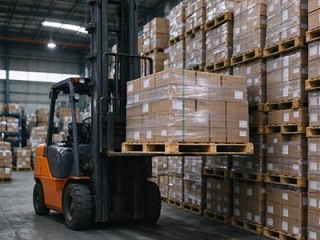 Forklift Configuration Strategy For Dense Warehousing, Warehouse ForkliftDense warehousing needs matched forklifts besides racks. Reach and trilateral stackers fit different layouts, coordinate aisle, load curve and floor for smooth handling.
Do you like ?0
Read more -
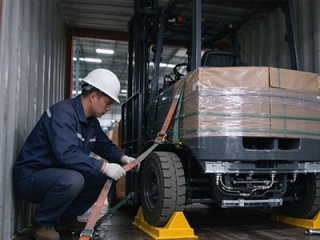 Full Container Supply For Export Forklifts, Forklift ManufacturerBulk forklift orders for overseas can ship by FCL or LCL. Newnewton FCL offers stable freight, safer packing and mixed models for large purchases.
Do you like ?0
Read more -
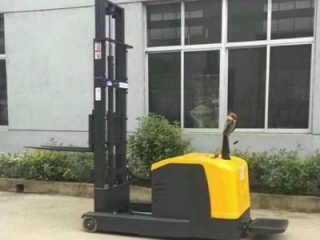 Stand-on Reach Stacker For Narrow Aisle Stacking, Mast Reach StructureStand-on reach stackers feature sliding masts that stay outside racks. They boost storage density in narrow aisles and require flat floors and standard pallets.
Do you like ?0
Read more -
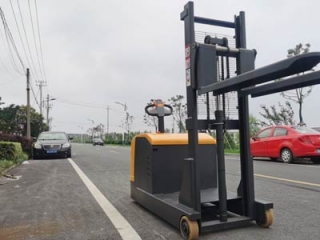 Stand-on Counterbalance Stacker For Various Pallets, Why No Leg RestrictionCounterbalance stackers have no front outriggers, using rear counterweight to avoid pallet interference. They fit various odd pallets yet need wider warehouse aisles.
Do you like ?0
Read more -
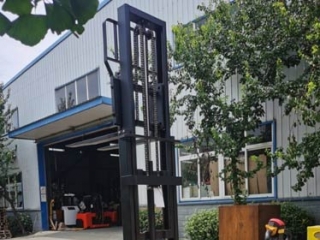 Custom Walk-Behind Counterbalance Stacker | Non-Standard ModificationsStandard walk-behind counterbalance stackers struggle with non-standard pallets and tight aisles. Customize load, lift, forks and structure, share working conditions for safe design.
Do you like ?0
Read more