Stand-on VS Ride-on Stacker | Advantages of Stand-on Counterbalance Type
Which Is Better: Stand-on or Ride-on Stacker? Stand-on and ride-on stackers are two mainstream types in warehouse handling equipment. You can tell which one suits you better according to actual warehouse conditions. Here is a detailed comparison for your reference.
Different Structure & Operation Mode
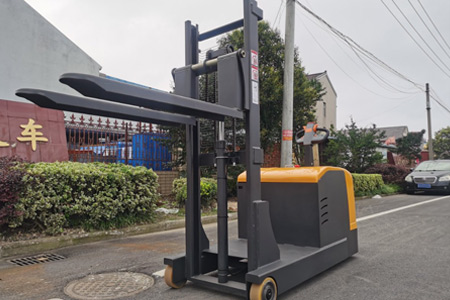
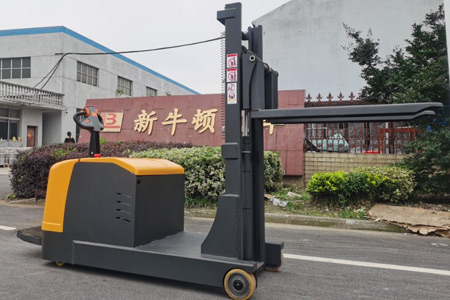
Stand-on Stacker
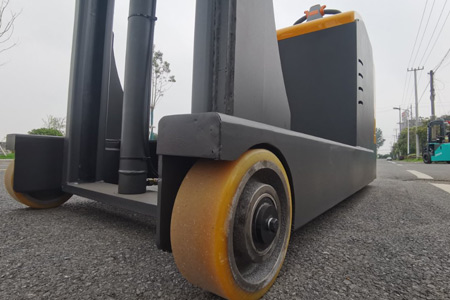
Operators stand to control it. Compact body without extra riding space owns ultra-small turning radius and high flexibility. Most are counterbalance legless models, compatible with regular and special-shaped pallets perfectly.
Ride-on Stacker
Equipped with comfortable seat for long-time driving. It features larger size, wider vision, stronger load capacity, higher lifting height and faster traveling speed, ideal for long-distance and heavy-load stacking work.
Outstanding Advantages of Stand-on Counterbalance Stacker
Space-saving & narrow aisle friendly
Light and short body realizes easy turning even in aisles around 1 meter wide. It is the top choice for dense rack warehouses and small storage rooms to maximize space utilization rate.
Flexible operation & high working efficiency
Standing control brings quicker response and sensitive steering performance. It works perfectly for short-distance frequent stacking, goods sorting and stock replenishment to speed up daily workflow.
Stable start-stop & higher safety
It realizes accurate alignment and steady low-speed movement, effectively avoiding collision risks in busy warehouse areas with many staff on site.
Advantages of Ride-on Stacker
Higher comfort for all-day continuous operation, greatly easing operator fatigue during long-distance transit.
Reinforced frame supports heavier loads and higher lifting height for stable high-level goods handling.
Faster traveling speed fits large logistics parks and spacious factories to improve overall cargo circulation efficiency.
In conclusion, there is no absolute better model, only the most suitable one. Pick stand-on counterbalance stacker for small warehouses and narrow aisle operations for high cost performance and great flexibility. Choose ride-on type for large-scale sites, long-distance transit and heavy-duty tasks. Feel free to contact us for further consultation!
-
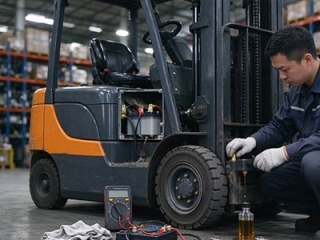 Reliability Of Newnewton Warehouse Forklifts For Heavy-Duty ShiftsWarehouse forklift reliability relies on industrial parts, reinforced frames and factory durability tests. Proper operation and maintenance reduce unexpected downtime.
Do you like ?0
Read more -
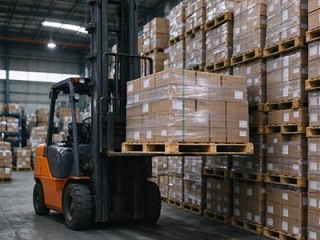 Forklift Configuration Strategy For Dense Warehousing, Warehouse ForkliftDense warehousing needs matched forklifts besides racks. Reach and trilateral stackers fit different layouts, coordinate aisle, load curve and floor for smooth handling.
Do you like ?0
Read more -
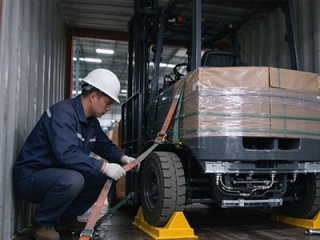 Full Container Supply For Export Forklifts, Forklift ManufacturerBulk forklift orders for overseas can ship by FCL or LCL. Newnewton FCL offers stable freight, safer packing and mixed models for large purchases.
Do you like ?0
Read more -
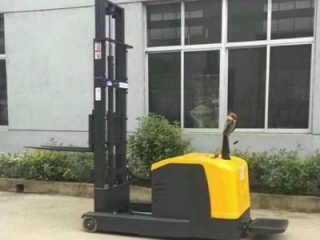 Stand-on Reach Stacker For Narrow Aisle Stacking, Mast Reach StructureStand-on reach stackers feature sliding masts that stay outside racks. They boost storage density in narrow aisles and require flat floors and standard pallets.
Do you like ?0
Read more -
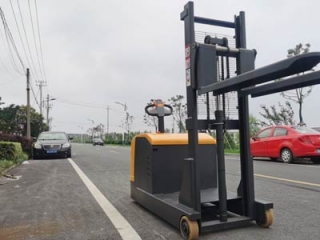 Stand-on Counterbalance Stacker For Various Pallets, Why No Leg RestrictionCounterbalance stackers have no front outriggers, using rear counterweight to avoid pallet interference. They fit various odd pallets yet need wider warehouse aisles.
Do you like ?0
Read more -
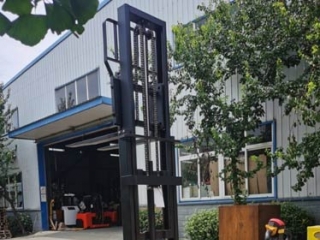 Custom Walk-Behind Counterbalance Stacker | Non-Standard ModificationsStandard walk-behind counterbalance stackers struggle with non-standard pallets and tight aisles. Customize load, lift, forks and structure, share working conditions for safe design.
Do you like ?0
Read more