
When to Replace Your 3.5 Ton Diesel Forklift? Service Life & Retirement Rules
Many warehouse managers struggle with fleet management. They wonder how many service years does a fuel forklift have, whether their existing diesel forklift can keep running, and when replacement brings the best return. Judging only by calendar years often leads to poor decisions. According to GB/T44679-2024, the mandatory retirement standard for forklifts under 10 tons including 3.5 ton models sets the designed service life at 15 years. This is the upper limit, not the recommended time to replace the truck.
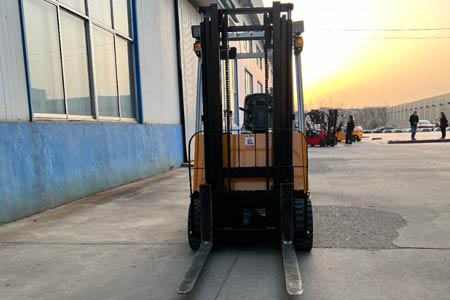
This article clarifies key points about forklift service cycles and helps you tell when to repair or replace. Distinguish between statutory retirement age and economic service life. The 15-year mark is the theoretical maximum service limit. The forklift can keep operating with annual inspection approval, intact structure and compliant emissions. However, engines, hydraulic assemblies, frames and transmission parts wear heavily in this period. Breakdown frequency and spare part costs keep rising. Indirect losses caused by maintenance downtime are often overlooked. Many fleets stop being cost-effective long before the 15-year mark when repair expenses outrun the value the machine generates.
Figure out the optimal replacement cycle for a 3.5 ton diesel forklift based on working hours and site conditions. With single-shift operation, regular maintenance, low dust and proper load limits, its economic service life ranges from 6 to 8 years, roughly 8000 to 10000 working hours. At this stage, the machine stays stable with few failures and manageable maintenance costs.
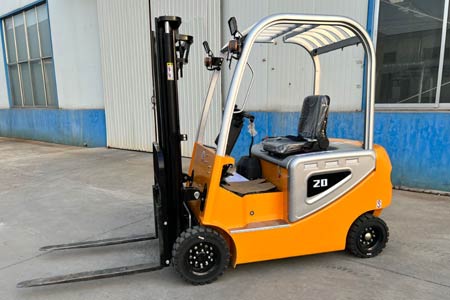
Service life shortens to 4 to 5 years under two-shift schedules, outdoor sites, sand yards or dusty environments where wear accelerates. Frequent engine oil leaks, power loss, unstable braking and excessive exhaust emissions mean you should evaluate replacement even if the calendar age is low.
For daily management, track cumulative working hours instead of only the registration date. Now that you know the optimal service life of a 3.5 ton diesel forklift, focus frame corrosion, mast deformation and exhaust emission during routine inspections. If your truck is near the end of its economic cycle and your order volume is rising, early replacement reduces unexpected shutdown risks and keeps warehouse operations stable.
-
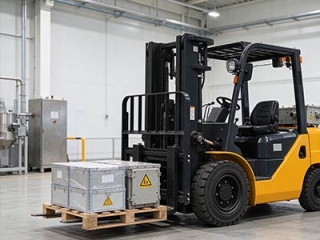 GB 19854 & GB 3836 Guide for Explosion-proof Electric Forklift SelectionWhen buying newnewton explosion-proof forklifts, follow GB 19854 & GB 3836, verify full certificates and distinguish original units from retrofitted ones.
Do you like ?0
Read more -
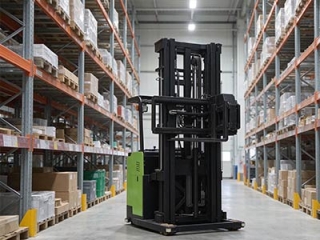 Why Choose Three-way Order Picking Forklift for High-density High-bay WarehousesFor high-density storage, three-way stackers work without turning, fitting 1.6–1.8m aisles for stacking and picking to increase storage slots.
Do you like ?0
Read more -
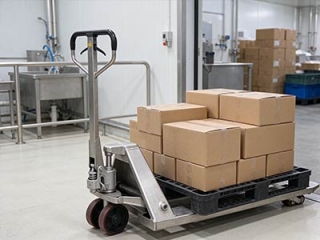 304 Stainless Steel Hand Hydraulic Pallet Truck | Stainless Pallet Jack304 stainless manual pallet trucks resist moisture for food, pharma and chemical warehouses, easy to clean, not for strong acid & alkali environments.
Do you like ?0
Read more -
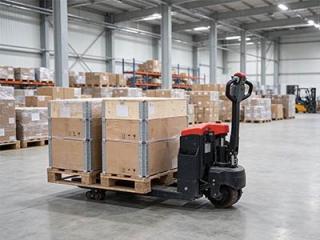 Where to Use Double Pallet Electric Pallet Jack for Warehouse HandlingLithium double pallet electric pallet trucks carry two pallets to cut trips, ideal for transit, e-commerce and factory warehouses, not for narrow aisles or uneven floors.
Do you like ?0
Read more -
 Walk-behind Counterbalance Stacker: Special Equipment Compliance CheckCompliance pitfalls exist in purchasing walkie stackers. Follow TSG 81—2022 to check power, structure, function and area to confirm registration, N1 license and inspection.
Do you like ?0
Read more -
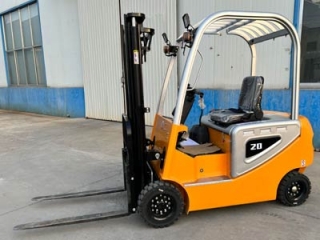 When to Replace Your 3.5 Ton Diesel Forklift? Service Life & Retirement RulesWarehouse managers care about service life of 3.5t diesel forklifts. GB/T44679-2024 sets 15-year statutory scrap limit for under-10t forklifts; judge replacement by working hours.
Do you like ?0
Read more








