
What are the precautions for using forks of electric forklifts?
Fork belongs to the working device of electric forklift, which is very important for electric forklift. It can change the width, adapt to different goods or pallets, and help them to lift, lower, transport and put them in the specified position. Once there is a problem with the fork, the whole electric forklift can no longer operate normally. Therefore, the driver must operate it in a standard way and always check whether the fork can operate normally. So, what are the precautions when using the fork of the electric forklift? The electric forklift manufacturer has something to say.
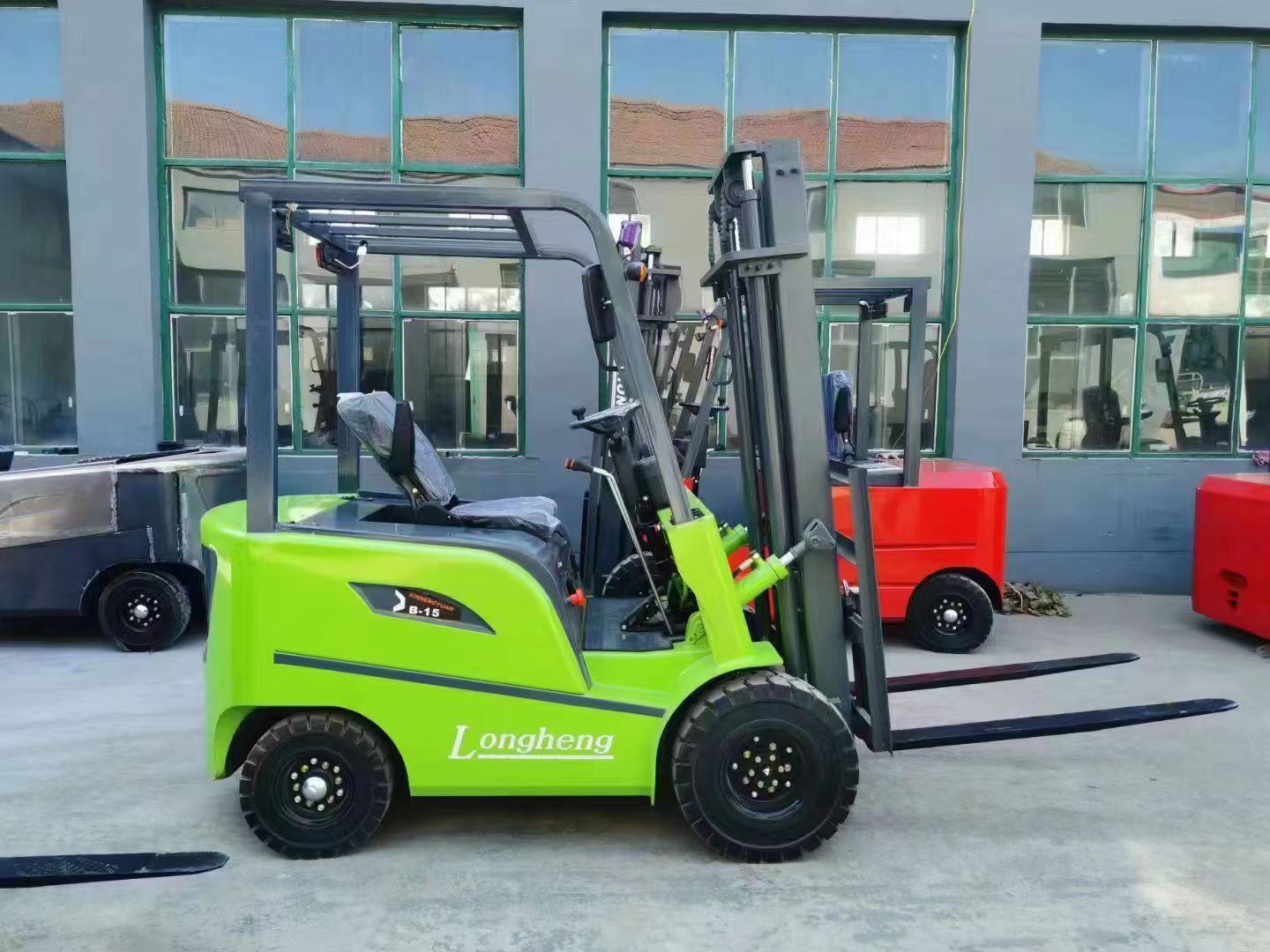
If cracks are found on the surface of the forks of the electric forklift, especially at the root, upper hook, lower hook and vertical section joints of the forks, stop using the forks. If it is found that the height difference between two fork tips exceeds 3% of the length of the horizontal section, stop working and repair or replace the fork. The electric forklift manufacturer told us, in normal work, it is necessary to ensure that the locating pin can operate normally in its original position. Once any fault is found, it cannot be operated again until it is repaired.
The driver should regularly check the wear of the horizontal and vertical sections of the fork of the electric forklift, especially the root of the fork. If it is detected that the thickness of the fork has decreased to 90% of the original, the operation can no longer be carried out. If the upper hook bearing surface of the fork and the locating surface of the upper and lower hooks are worn, overstocked and partially deformed, resulting in an increase in the gap between the fork and the fork frame, it needs to be repaired in time. If the fork is damaged and cannot be repaired temporarily, it must not be used forcibly. The forks cannot be put into use immediately after welding and repair. They should be inspected by strict technical standards to see if they meet the specifications of the electric forklift manufacturer before operation.

The above are the precautions for using forks of electric forklift. I believe you can see that forks also need careful maintenance, and once problems occur, they will bring a lot of trouble. The electric forklift manufacturer told us, if the fork is found to have problems, it can not be used. You must stop the operation immediately and repair it as soon as possible. The electric forklift manufacturer is equipped with perfect after-sales service, which can help customers to solve these problems easily.
-
 Reliability Of Newnewton Warehouse Forklifts For Heavy-Duty ShiftsWarehouse forklift reliability relies on industrial parts, reinforced frames and factory durability tests. Proper operation and maintenance reduce unexpected downtime.
Do you like ?0
Read more -
 Forklift Configuration Strategy For Dense Warehousing, Warehouse ForkliftDense warehousing needs matched forklifts besides racks. Reach and trilateral stackers fit different layouts, coordinate aisle, load curve and floor for smooth handling.
Do you like ?0
Read more -
 Full Container Supply For Export Forklifts, Forklift ManufacturerBulk forklift orders for overseas can ship by FCL or LCL. Newnewton FCL offers stable freight, safer packing and mixed models for large purchases.
Do you like ?0
Read more -
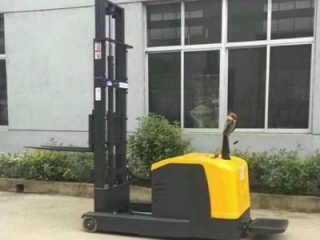 Stand-on Reach Stacker For Narrow Aisle Stacking, Mast Reach StructureStand-on reach stackers feature sliding masts that stay outside racks. They boost storage density in narrow aisles and require flat floors and standard pallets.
Do you like ?0
Read more -
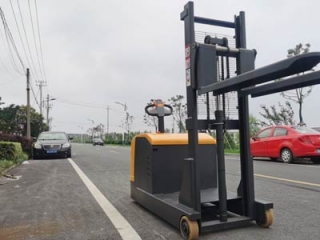 Stand-on Counterbalance Stacker For Various Pallets, Why No Leg RestrictionCounterbalance stackers have no front outriggers, using rear counterweight to avoid pallet interference. They fit various odd pallets yet need wider warehouse aisles.
Do you like ?0
Read more -
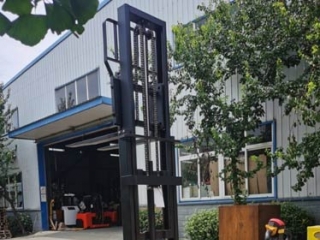 Custom Walk-Behind Counterbalance Stacker | Non-Standard ModificationsStandard walk-behind counterbalance stackers struggle with non-standard pallets and tight aisles. Customize load, lift, forks and structure, share working conditions for safe design.
Do you like ?0
Read more








