
How to Solve Fast Power Consumption of Electric Forklifts |Correct Charging Tips
Have you ever met the situation where your electric forklift runs out of power quickly? Fully charged in the morning, yet needs recharging in half a day, seriously affecting work efficiency. In most cases, fast power consumption is not caused by machine failure, but by non-standard charging methods and bad operating habits. Mastering Proper Charging Tips for Electric Forklifts is the key to stable battery life.
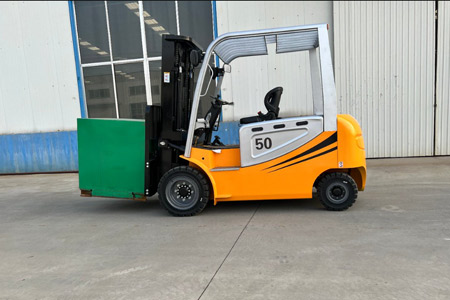
In daily use, many operators wait until the battery is completely dead to recharge, overcharge for hours, or unplug frequently. These behaviors accelerate battery aging, reduce effective capacity, and make power drain increasingly serious. Long-term improper use weakens battery storage performance and forms a vicious cycle.
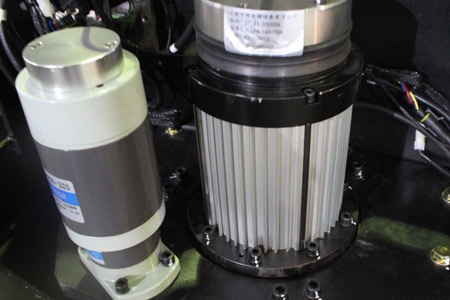
The correct charging method is to recharge at 20%–30% remaining power and avoid deep discharge. Cut off the power immediately after full charging to prevent overheating and battery deformation. It is also vital to use the original matched charger. Mismatched chargers lead to unstable current and voltage, which damage the battery and increase power consumption.
Ambient temperature greatly influences charging and discharging. Always charge in a cool, ventilated area, and avoid direct sunlight or ultra-low temperature environments. Keep battery ports and wires clean and tight to reduce invalid power loss and safety hazards.
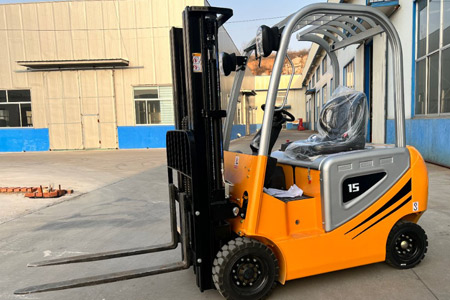
Besides, avoiding frequent rapid acceleration, sudden braking and long-time no-load standby can effectively save electricity. With standardized charging and reasonable operation, electric forklifts will gain longer endurance, prolonged battery life and lower maintenance costs.
If you are confused about How to Fix Fast Battery Drain on Electric Forklifts, these practical skills can help you solve the problem and ensure long-term stable operation of your handling equipment.
-
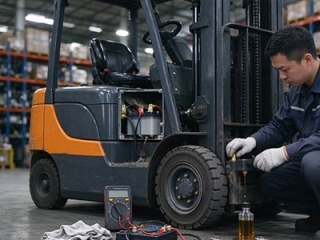 Reliability Of Newnewton Warehouse Forklifts For Heavy-Duty ShiftsWarehouse forklift reliability relies on industrial parts, reinforced frames and factory durability tests. Proper operation and maintenance reduce unexpected downtime.
Do you like ?0
Read more -
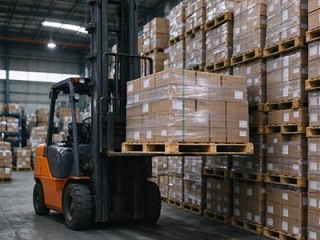 Forklift Configuration Strategy For Dense Warehousing, Warehouse ForkliftDense warehousing needs matched forklifts besides racks. Reach and trilateral stackers fit different layouts, coordinate aisle, load curve and floor for smooth handling.
Do you like ?0
Read more -
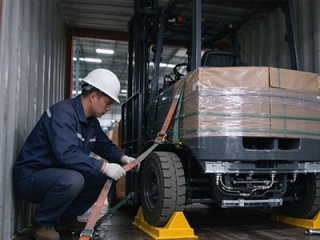 Full Container Supply For Export Forklifts, Forklift ManufacturerBulk forklift orders for overseas can ship by FCL or LCL. Newnewton FCL offers stable freight, safer packing and mixed models for large purchases.
Do you like ?0
Read more -
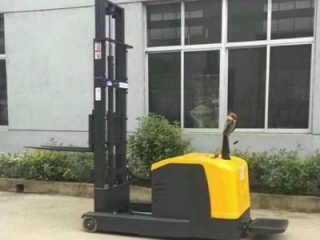 Stand-on Reach Stacker For Narrow Aisle Stacking, Mast Reach StructureStand-on reach stackers feature sliding masts that stay outside racks. They boost storage density in narrow aisles and require flat floors and standard pallets.
Do you like ?0
Read more -
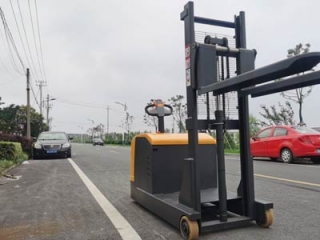 Stand-on Counterbalance Stacker For Various Pallets, Why No Leg RestrictionCounterbalance stackers have no front outriggers, using rear counterweight to avoid pallet interference. They fit various odd pallets yet need wider warehouse aisles.
Do you like ?0
Read more -
 Custom Walk-Behind Counterbalance Stacker | Non-Standard ModificationsStandard walk-behind counterbalance stackers struggle with non-standard pallets and tight aisles. Customize load, lift, forks and structure, share working conditions for safe design.
Do you like ?0
Read more








