Electric Forklift Rain Protection | Rainy Day Maintenance Tips
With rainy and plum rain seasons approaching, outdoor electric forklifts are prone to damp failure and aging without proper protection. Mastering Electric Forklift Rain Maintenance Methods can effectively reduce breakdowns and cut long-term repair costs.
Avoid long-time open-air exposure in heavy rain, and suspend outdoor operation during rainstorms to prevent water from washing circuits, motors and electric controllers. Never pass low-lying ponding areas forcibly, which may cause water ingress into chassis and battery compartment and lead to short circuit burnout.
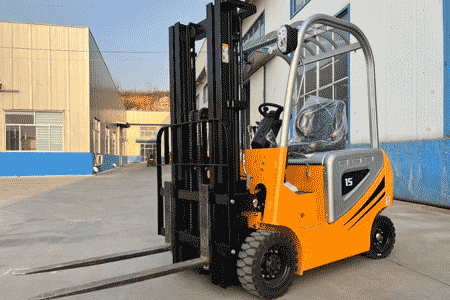
After rainy work, wipe off water drops on the body, wiring ports and instrument panel in time, and keep the electric control box dry and well sealed.
In continuous rainy weather, regularly inspect wire harness plugs and terminals with waterproof wrapping. Turn off the main power when idle and cover with rainproof dust cover to avoid moisture entering the circuit and prevent tripping and malfunction.
Keep battery terminals away from rain and oxidation, clean white frost on poles regularly. Do not park fully charged forklifts in rainy conditions for a long time; maintain regular charging to avoid damp self-discharge and shortened battery life.
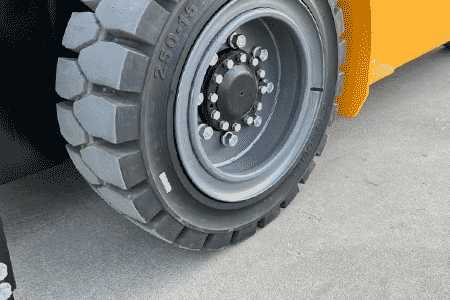
Clean silt and accumulated water after rain, and fill lubricating grease for pin shafts, bearings and mast slides for rust and corrosion prevention. Check hydraulic cylinder seals to avoid water infiltration causing oil leakage and jamming.
Knowing How to Protect Electric Forklift in Rainy Days helps extend service life and lower failure rate, saving considerable maintenance expenses. Feel free to contact us if you need professional forklift maintenance guidance.
-
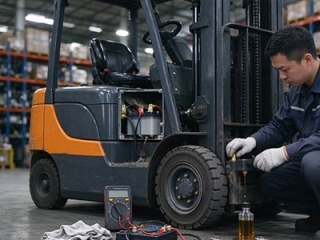 Reliability Of Newnewton Warehouse Forklifts For Heavy-Duty ShiftsWarehouse forklift reliability relies on industrial parts, reinforced frames and factory durability tests. Proper operation and maintenance reduce unexpected downtime.
Do you like ?0
Read more -
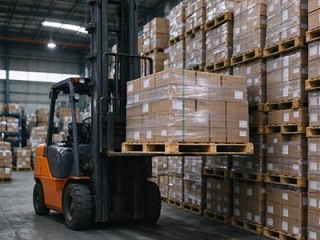 Forklift Configuration Strategy For Dense Warehousing, Warehouse ForkliftDense warehousing needs matched forklifts besides racks. Reach and trilateral stackers fit different layouts, coordinate aisle, load curve and floor for smooth handling.
Do you like ?0
Read more -
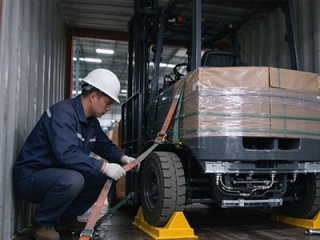 Full Container Supply For Export Forklifts, Forklift ManufacturerBulk forklift orders for overseas can ship by FCL or LCL. Newnewton FCL offers stable freight, safer packing and mixed models for large purchases.
Do you like ?0
Read more -
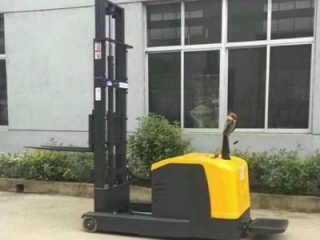 Stand-on Reach Stacker For Narrow Aisle Stacking, Mast Reach StructureStand-on reach stackers feature sliding masts that stay outside racks. They boost storage density in narrow aisles and require flat floors and standard pallets.
Do you like ?0
Read more -
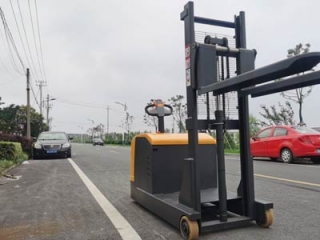 Stand-on Counterbalance Stacker For Various Pallets, Why No Leg RestrictionCounterbalance stackers have no front outriggers, using rear counterweight to avoid pallet interference. They fit various odd pallets yet need wider warehouse aisles.
Do you like ?0
Read more -
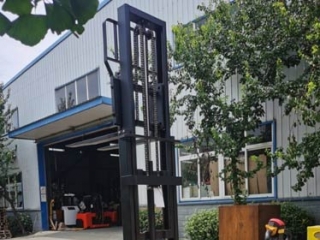 Custom Walk-Behind Counterbalance Stacker | Non-Standard ModificationsStandard walk-behind counterbalance stackers struggle with non-standard pallets and tight aisles. Customize load, lift, forks and structure, share working conditions for safe design.
Do you like ?0
Read more