
Electric vs Internal Combustion Forklift | Which One to Choose for Factory
Many factory owners are confused about whether to choose an electric forklift or an internal combustion forklift. With years of deep experience in the forklift industry, Newnewton provides a professional and accurate comparison to help factories make reasonable procurement decisions in 2026.
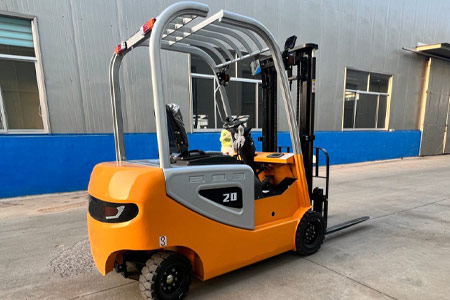
It is necessary to clearly understand the Difference Between Electric Forklift and Internal Combustion Forklift. Electric forklifts are powered by batteries, including lead-acid and lithium batteries. They are more suitable for indoor environments with strict requirements on noise and environmental protection. Supporting fast charging, electric forklifts feature long endurance, zero exhaust emission and low noise. Besides, the body size is smaller than fuel forklifts, making it perfect for narrow working spaces.
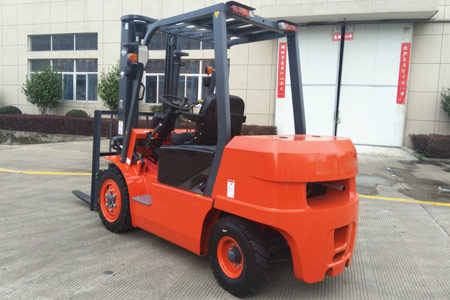
Internal combustion forklifts run on diesel, gasoline or LPG, with diesel as the main fuel. They perform well outdoors and adapt to complex road conditions. With stronger power and continuous working ability, they are ideal for heavy material handling and long-time high-intensity operation. However, exhaust emission and loud noise are unavoidable drawbacks.
When deciding to Choose Electric or Internal Combustion Forklift for Factory, you need to consider actual working conditions. Evaluate environmental requirements such as noise and pollution, as well as terrain, space size and shelf density to ensure smooth operation.
Cost control is also a key factor for factory managers. Electric forklifts feature simple maintenance, perfectly matching small factories with limited budgets and low operating costs. Internal combustion forklifts have higher fuel and maintenance costs, yet they take the lead in power performance and working intensity.
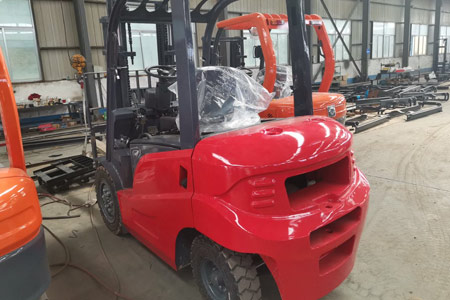
Before purchasing, you should match the forklift characteristics with your factory demands. Even high-quality equipment will be useless if it does not fit the working scenario. This comparison and selection guide can help you make a clearer decision. If you still cannot confirm the right model according to your actual situation, you can contact us directly. Newnewton provides free professional consulting services for all customers.
-
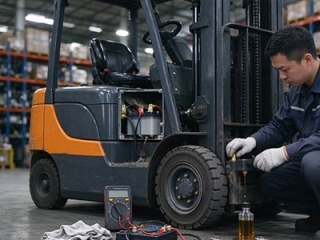 Reliability Of Newnewton Warehouse Forklifts For Heavy-Duty ShiftsWarehouse forklift reliability relies on industrial parts, reinforced frames and factory durability tests. Proper operation and maintenance reduce unexpected downtime.
Do you like ?0
Read more -
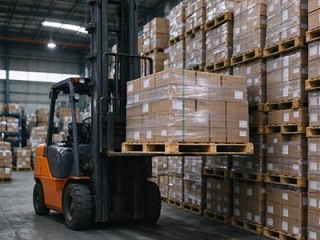 Forklift Configuration Strategy For Dense Warehousing, Warehouse ForkliftDense warehousing needs matched forklifts besides racks. Reach and trilateral stackers fit different layouts, coordinate aisle, load curve and floor for smooth handling.
Do you like ?0
Read more -
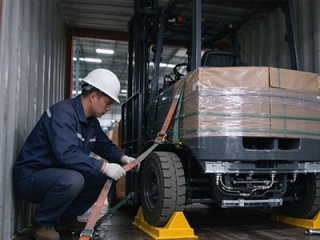 Full Container Supply For Export Forklifts, Forklift ManufacturerBulk forklift orders for overseas can ship by FCL or LCL. Newnewton FCL offers stable freight, safer packing and mixed models for large purchases.
Do you like ?0
Read more -
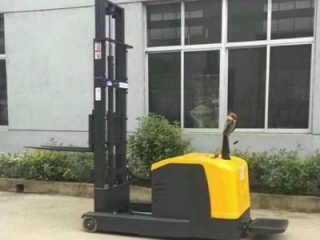 Stand-on Reach Stacker For Narrow Aisle Stacking, Mast Reach StructureStand-on reach stackers feature sliding masts that stay outside racks. They boost storage density in narrow aisles and require flat floors and standard pallets.
Do you like ?0
Read more -
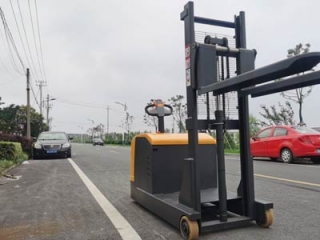 Stand-on Counterbalance Stacker For Various Pallets, Why No Leg RestrictionCounterbalance stackers have no front outriggers, using rear counterweight to avoid pallet interference. They fit various odd pallets yet need wider warehouse aisles.
Do you like ?0
Read more -
 Custom Walk-Behind Counterbalance Stacker | Non-Standard ModificationsStandard walk-behind counterbalance stackers struggle with non-standard pallets and tight aisles. Customize load, lift, forks and structure, share working conditions for safe design.
Do you like ?0
Read more








