
Function and classification of braking systems for electric forklifts
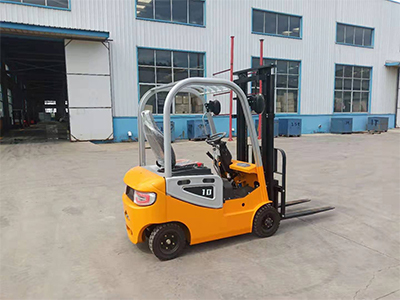
Jiangsu Electric Forklift Manufacturers: Apply resistance to electric forklifts in motion to consume the kinetic energy of the vehicle, forcing it to slow down and stop completely; When parking, preventing it from moving on its own is called braking the electric forklift; The system used to brake a vehicle is called a braking system.
1. The functions and requirements of the braking system. The main functions of the braking system are: ① to force the vehicle to slow down or stop as needed; ② Ensure that the vehicle is parked in its original position (even if there is a certain slope) and cannot automatically slide.
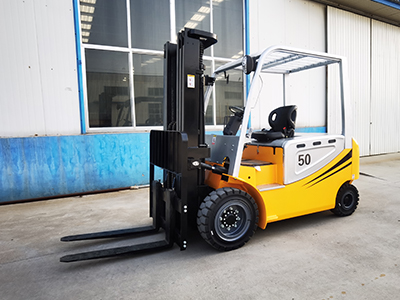
The requirements for the braking system are: ① there should be sufficient braking force to ensure that the braking distance meets the requirements at a certain speed; ② Lightweight and flexible operation; ③ The braking quality is good, and the braking force of each wheel is basically the same when braking; ④ Good braking balance, the braking force can quickly and horizontally increase during braking, and can also be quickly and completely released; The braking system should facilitate clearance adjustment and maintenance.
2. Composition and classification of braking systems. Electric forklifts, electric tractors, and internal combustion forklifts generally have two independent braking devices (systems) for their braking systems, namely the service braking and parking braking devices (systems).
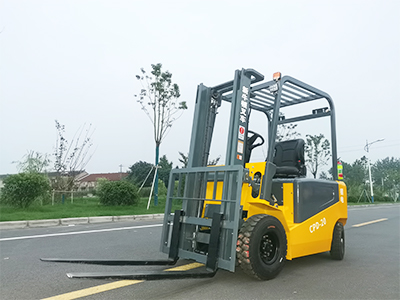
The service brake device, also known as the foot brake device, is operated by the driver through the foot pedal and is mainly used for braking, deceleration, or parking during vehicle operation. The parking brake device, also known as the hand brake device, is operated by the driver through the brake handle. It is mainly used for parking on a slope or after the vehicle has stopped, to reliably keep it in place and prevent slipping.
At present, Jiangsu electric forklift manufacturers use dry friction brakes on both electric forklifts and electric tractors. According to different structural types, brakes can be divided into several types: shoe type (drum type), disc type, and belt type; According to different transmission methods, it can be divided into mechanical and hydraulic types.
-
 Reliability Of Newnewton Warehouse Forklifts For Heavy-Duty ShiftsWarehouse forklift reliability relies on industrial parts, reinforced frames and factory durability tests. Proper operation and maintenance reduce unexpected downtime.
Do you like ?0
Read more -
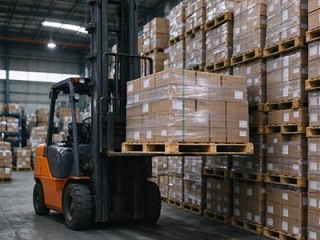 Forklift Configuration Strategy For Dense Warehousing, Warehouse ForkliftDense warehousing needs matched forklifts besides racks. Reach and trilateral stackers fit different layouts, coordinate aisle, load curve and floor for smooth handling.
Do you like ?0
Read more -
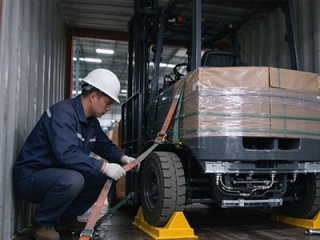 Full Container Supply For Export Forklifts, Forklift ManufacturerBulk forklift orders for overseas can ship by FCL or LCL. Newnewton FCL offers stable freight, safer packing and mixed models for large purchases.
Do you like ?0
Read more -
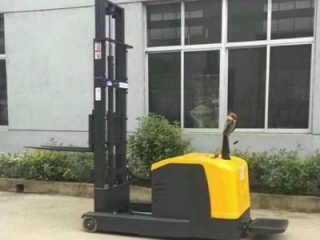 Stand-on Reach Stacker For Narrow Aisle Stacking, Mast Reach StructureStand-on reach stackers feature sliding masts that stay outside racks. They boost storage density in narrow aisles and require flat floors and standard pallets.
Do you like ?0
Read more -
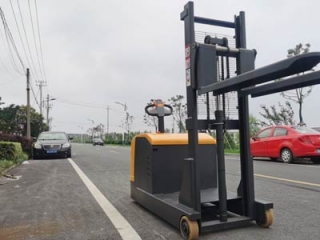 Stand-on Counterbalance Stacker For Various Pallets, Why No Leg RestrictionCounterbalance stackers have no front outriggers, using rear counterweight to avoid pallet interference. They fit various odd pallets yet need wider warehouse aisles.
Do you like ?0
Read more -
 Custom Walk-Behind Counterbalance Stacker | Non-Standard ModificationsStandard walk-behind counterbalance stackers struggle with non-standard pallets and tight aisles. Customize load, lift, forks and structure, share working conditions for safe design.
Do you like ?0
Read more








