
Full Electric Tugger vs Manual Hand Pull Tugger | Selection Guide
Many buyers are confused about the difference between Electric Tugger and manual pull type. This professional guide clarifies application scenarios, cost gaps and long-term practicality, helping you choose rationally between Electric Tugger vs Manual Tugger.
1. Huge Difference in Working Intensity
The Manual Hand Pull Tugger relies entirely on manpower. Under heavy load, long-distance and high-frequency transfer, workers suffer great physical fatigue. Dozens of back-and-forth trips every day easily lead to tired operation, unstable towing and material collision. It is only suitable for small load, short distance and low-frequency temporary handling.

Driven by electric power, the Full Electric Tugger realizes fully automatic traveling and traction without manual pulling. One operator can handle long-distance factory transportation, multi-trailer pallet towing and all-day high-intensity work easily. It greatly reduces labor burden and can be operated effortlessly even by female staff.
2. Obvious Gap in Working Efficiency
The Manual Hand Pull Tugger runs slowly with limited single-time transport quantity. It easily delays inbound and outbound rhythm during peak cargo flow and restricts overall warehouse turnover efficiency.
The Electric Tugger runs smoothly with adjustable speed and soft start & brake. It can tow multiple material trailers at one time, boosting handling efficiency by more than twice compared with manual models. Higher turnover frequency makes it ideal for assembly line supporting, large warehouses and daily factory park transportation.

3. Great Difference in Long-Term Cost
Manual tuggers feature low initial purchase price, but rely heavily on labor. Long-term hidden costs such as salary and staff turnover cannot be ignored, while high-intensity manual positions also face recruitment difficulties.
Although the Full Electric Tugger requires slightly higher initial investment, it replaces heavy repetitive manual work. Equipped with long-lasting lithium battery, it supports full-day operation after one charge with low maintenance frequency. In the long run, it optimizes labor allocation and perfectly meets enterprise cost reduction demands.

4. Clear Application Scenario Division
Manual Pull Tugger: Suitable for small workshops, light goods, short-distance transfer, low usage frequency and budget-limited temporary occasions.
Electric Tugger: Perfect for large factories, logistics parks, cross-region factory transportation, assembly line material distribution and high-frequency heavy-load towing conditions.
This clear comparison helps you easily distinguish Electric Tugger vs Manual Tugger and pick the right model according to your actual working needs.
-
 Heavy-Duty Diesel Forklift High Temperature Troubleshooting Guide3.5t diesel forklifts often overheat when handling sand and stone. Inspect cooling system step by step: radiator, belt, shroud, thermostat and water pump.
Do you like ?0
Read more -
 How to Choose Stackers for High-Level Access in Raw Material WarehouseRide-on reach stackers save aisle space for high racks. Good visibility for bulk raw materials. Select based on load curve and residual high-lift capacity.
Do you like ?0
Read more -
 Rain Operation Rules for Legless Walk-Behind Counterbalance StackerLegless walkie counterbalance stackers are not waterproof. Only short-time use in light rain. Stop operation in heavy rain and follow safety rules on wet floors.
Do you like ?0
Read more -
 Avoid Hidden Costs When Buying Four-Wheel Electric Counterbalance ForkliftDo not compare only prices for four-wheel electric forklifts. Confirm load, lift, battery and warranty in quotes to avoid downgraded parts and extra charges.
Do you like ?0
Read more -
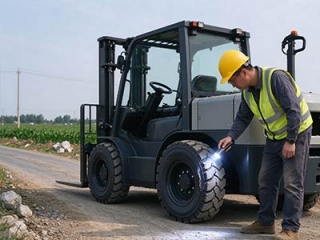 Tire Wear Inspection Methods for Rough-Terrain Walk Pallet TruckOff-road walkie pallet trucks face frequent tyre wear. Check tread pattern, sidewall damage and uneven wear to prevent skidding and blowouts.
Do you like ?0
Read more -
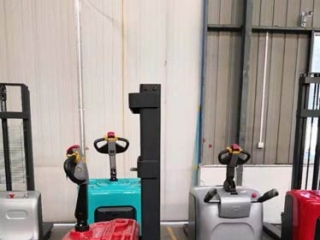 Full Electric Stacker With Foot Platform | Aisle Selection GuideWarehouse planning often overlooks turning radius. Stand-on stackers need extra aisle space. Insufficient clearance causes poor turning and reduces storage efficiency.
Do you like ?0
Read more








