Electric Straddle Stacker Battery Life | Walk-Behind Straddle Type
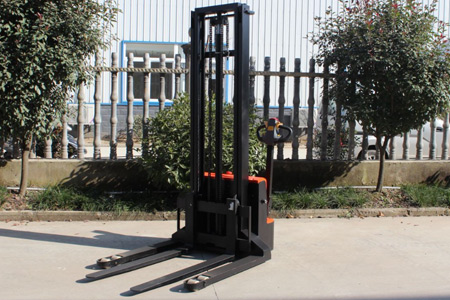
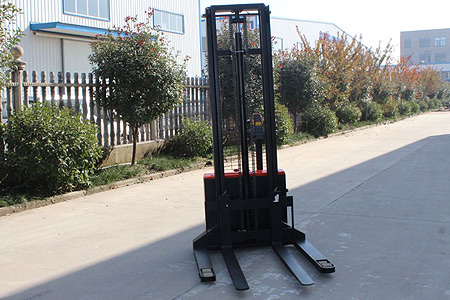
Many warehouse owners wonder Battery Life of Straddle Stacker and whether it can support full-day working hours. When improving handling efficiency, endurance is always a key concern. Here we compare lithium and lead-acid versions to show the actual performance of the Electric Straddle Stacker.
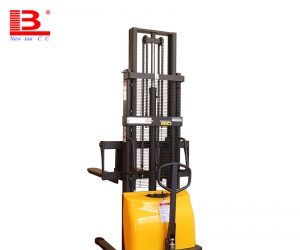
The 1.5 ton Walk-Behind Straddle Stacker is widely used in small and medium warehouses. The lead-acid battery version supports continuous operation for 3 to 5 hours on a full charge, not enough for full-day shifts, but sufficient for intermittent and short daily tasks.
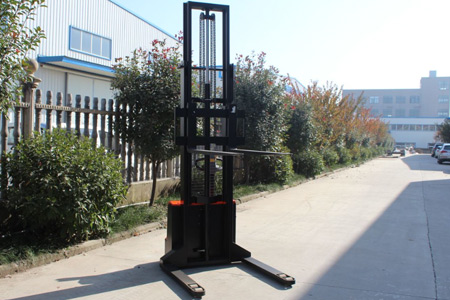
The lithium battery model runs 6 to 8 hours continuously, easily covering an entire 8-hour workday. It perfectly meets high-intensity, long-time stacking demands without mid-shift recharging.
The battery life gap mainly comes from four aspects:Charging SpeedLead-acid batteries take 8–10 hours to fully charge and can only be charged overnight. Lithium batteries support fast charging within 2–3 hours, able to top up during lunch break without delaying peak production.
Service LifeLead-acid cycles only 300–400 times, needing replacement after around one year. Lithium batteries reach 1200–1500 cycles and last 3–5 years, saving frequent replacement costs in the long run.
Capacity Fade & MaintenanceLead-acid batteries suffer obvious endurance drop after half a year and require regular water maintenance, with further reduced performance in winter. Lithium batteries are maintenance-free with no memory effect, low winter attenuation and stable long-term battery life.
Cost Performance & ApplicationLow-frequency usage, limited budget and short working hours are well matched with lead-acid Walk-Behind Straddle Stacker. For high-frequency all-day operation and no wish to replace batteries frequently, the lithium Electric Straddle Stacker is the better choice.
When choosing a Straddle Stacker, do not only focus on price or battery type alone. Make your decision according to actual working intensity, daily usage time and long-term cost plan for the most suitable configuration.
-
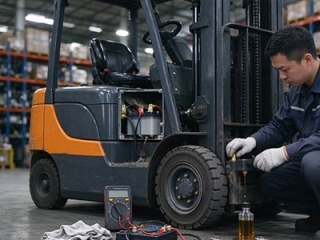 Reliability Of Newnewton Warehouse Forklifts For Heavy-Duty ShiftsWarehouse forklift reliability relies on industrial parts, reinforced frames and factory durability tests. Proper operation and maintenance reduce unexpected downtime.
Do you like ?0
Read more -
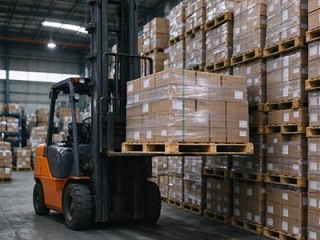 Forklift Configuration Strategy For Dense Warehousing, Warehouse ForkliftDense warehousing needs matched forklifts besides racks. Reach and trilateral stackers fit different layouts, coordinate aisle, load curve and floor for smooth handling.
Do you like ?0
Read more -
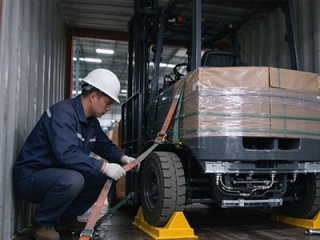 Full Container Supply For Export Forklifts, Forklift ManufacturerBulk forklift orders for overseas can ship by FCL or LCL. Newnewton FCL offers stable freight, safer packing and mixed models for large purchases.
Do you like ?0
Read more -
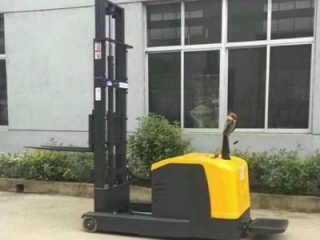 Stand-on Reach Stacker For Narrow Aisle Stacking, Mast Reach StructureStand-on reach stackers feature sliding masts that stay outside racks. They boost storage density in narrow aisles and require flat floors and standard pallets.
Do you like ?0
Read more -
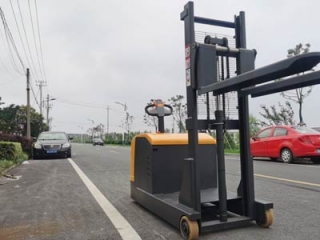 Stand-on Counterbalance Stacker For Various Pallets, Why No Leg RestrictionCounterbalance stackers have no front outriggers, using rear counterweight to avoid pallet interference. They fit various odd pallets yet need wider warehouse aisles.
Do you like ?0
Read more -
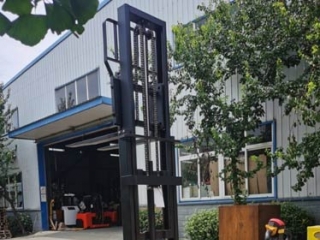 Custom Walk-Behind Counterbalance Stacker | Non-Standard ModificationsStandard walk-behind counterbalance stackers struggle with non-standard pallets and tight aisles. Customize load, lift, forks and structure, share working conditions for safe design.
Do you like ?0
Read more