
What Is the Load Center of a Forklift? 2 Key Points to Understand
Many buyers only focus on the rated load capacity when selecting forklifts and overlook the load center parameter. This mistake may lead to unstable lifting, insufficient actual load capacity and potential safety hazards. What is the load center of a forklift? Simply put, it refers to the horizontal distance from the cargo center of gravity to the vertical front surface of the forks, and it is a critical parameter for evaluating forklift load performance.
First, the rated load is tied to the load center, and these two indicators cannot be separated. The load marked on forklift nameplates is tested under standard load center conditions. For example, a common 1-ton forklift usually has a standard load center of 500 mm. It means the forklift can safely carry 1 ton only when the cargo center of gravity is within 500 mm from the fork heel.
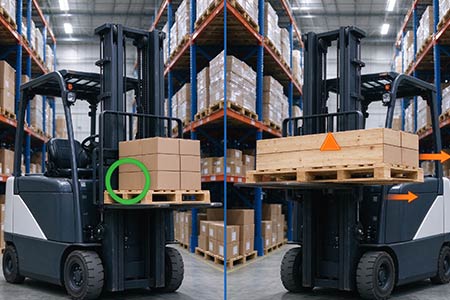
If the cargo center of gravity moves outward beyond this distance, the actual load capacity of the forklift will decrease. Even if the cargo weight is lower than the rated tonnage, there is a risk of forward tipping. Before purchasing, you should measure the center of gravity of your pallets and goods and match it with equipment parameters instead of judging availability only by tonnage.
Second, the load center interacts with fork length and cargo package dimensions. Long and irregular oversized cargo naturally has an outward center of gravity, which reduces the allowable load for the same forklift model. Short pallets and regular boxed goods have a center of gravity close to the fork heel and provide extra load margin.
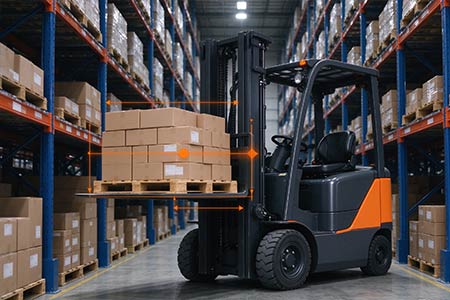
Different forklift types have different standard load centers. Manual stackers, electric pallet trucks and internal combustion forklifts have different benchmark values. You should distinguish them during selection instead of applying one uniform standard.
In daily warehouse operations, place cargo following parameter specifications and keep the center of gravity within the standard load center range. For extra-long materials, choose models with a larger load center or reduce the cargo weight to ensure stable operation. Mastering this parameter helps you avoid selection mistakes and use forklifts safely and properly. Feel free to contact us for more information.
-
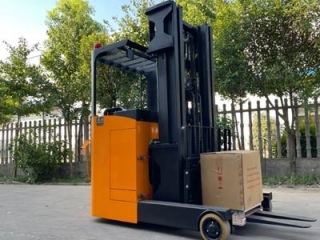 3 Core Advantages of Sit-Down Reach Telescopic StackerRide-on reach stackers suit narrow-aisle high stacking for dense warehouses. No rack modification needed, balancing storage density, continuous operation and medium-high lifting capacity.
Do you like ?0
Read more -
 How to Find a Reliable Forklift Manufacturer for Warehouse UseWarehouse buyers often meet middlemen posing as manufacturers with low-price traps and poor after-sales. Verify production qualifications, quotation details and custom capacity to find reliable forklift suppliers.
Do you like ?0
Read more -
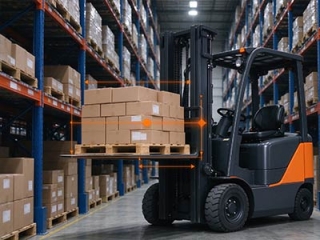 What Is the Load Center of a Forklift? 2 Key Points to UnderstandMany buyers only check rated load and ignore load center. It is the horizontal distance from load gravity to fork root; offset gravity reduces capacity and brings tipping risks.
Do you like ?0
Read more -
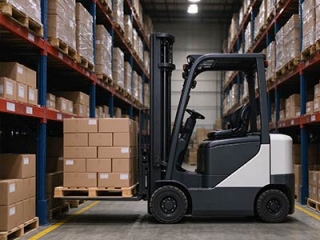 Custom Narrow Aisle Electric Forklift for Compact Workshop Production LinesNarrow aisles in old factories cause collision risks for standard forklifts. Custom narrow aisle electric forklifts with optimized body suit tight workshop material transfer.
Do you like ?0
Read more -
 Self Loading Pallet Stacker: Solve Loading Trouble for Remote DeliveryLong-distance multi-stop fleets struggle with no forklifts at drop-off sites. Truck-mounted self-loading forklifts let drivers handle stacking alone and boost delivery turnover.
Do you like ?0
Read more -
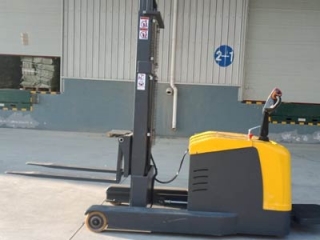 3 Mast Types: Stand-on Reach Stacker for Different Rack HeightsWhen selecting stand-on reach stackers, check mast retracted height besides rack levels. 1/2/3-stage masts have different lifting ranges; consider clearance, load and rack height.
Do you like ?0
Read more








