
Solid Forklift Tire vs Pneumatic Tire, What Are Their Differences
Many buyers struggle to pick between solid tires and pneumatic tires for forklifts. Neither type is universally better. The decision mainly depends on your working environment. Wrong tire selection will affect forklift stability, operation cost and work efficiency. Learn about the differences between solid forklift tires and pneumatic tires for proper selection.
Pneumatic tires are filled with compressed air. They deliver excellent shock absorption, smooth riding and lower noise. They work well on rough concrete floors, construction site dirt roads and outdoor factory surfaces. They absorb vibration over joints and small pits, protecting both the frame and operators. They are lighter with lower rolling resistance, saving power or fuel under the same working conditions.
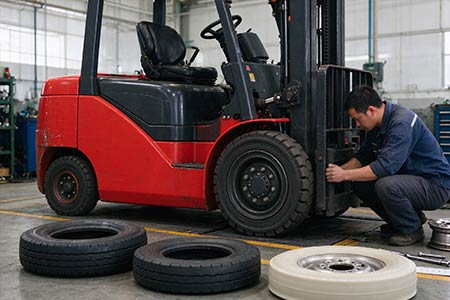
They also have obvious drawbacks. Sharp objects such as nails and metal scraps can easily puncture them. Once blown out, the forklift has to stop working. Frequent tire repairs delay production, and they wear faster under heavy continuous loads.
Solid tires are made of one-piece solid rubber without inner tubes and are puncture-proof. They are the preferred option for workshops scattered with strapping bands, nails and metal scraps. They offer strong load capacity and tear resistance, with a much longer service life and almost no need for patching. They fit indoor factories, finished goods warehouses and steel workshops with sharp debris.
Their downside is poor shock absorption. Vibration and noise are obvious on uneven ground. Heavier weight raises energy consumption. Long-time operation on bumpy surfaces accelerates wear of masts and hydraulic components.
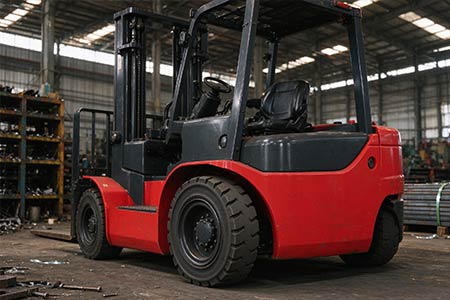
Simple selection rules: choose pneumatic tires for outdoor sites and dirt roads where shock comfort matters. Choose solid tires for indoor workshops and metal processing warehouses with sharp waste to avoid frequent repairs. Non-marking solid tires are available for certain models to prevent black marks on epoxy floors, ideal for clean workshops and food warehouses.
FAQ
Q: Can solid tires blow out?
A: They will not blow out, yet rubber cracking and rim separation may occur under continuous overloading or high-temperature operation.
Q: Which tire suits warehouses with epoxy floors?
A: Non-marking solid tires are recommended. Ordinary solid tires leave black marks, and pneumatic tires need protection from punctures and floor contamination.
Q: Can I replace pneumatic tires with solid tires later?
A: You need to check the hub size first. Replacement is allowed only if the hub matches. It will change the vehicle’s center of gravity and shock performance.
-
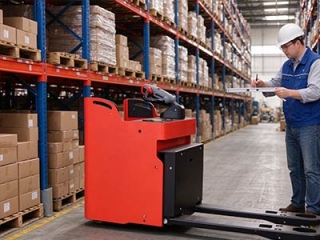 Ride-on Pallet Truck Parameter Matching for Bulk Cargo TransferRider pallet trucks suit long-distance heavy transfer. Check turning radius, fork size, battery and ground clearance besides load to match warehouse conditions.
Do you like ?0
Read more -
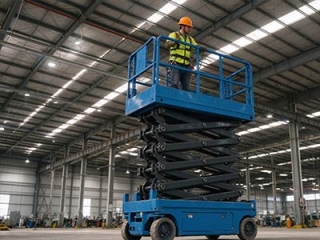 Indoor Sourcing Guide for Self-Propelled Scissor Aerial Work PlatformScissor lifts for ceiling maintenance need checks on folded size, elevator access and floor load. Distinguish platform height and working height for tight indoor spaces.
Do you like ?0
Read more -
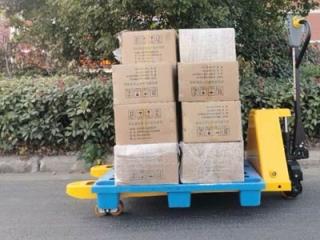 Customized Warehouse Pallet Truck From Source FactoryMany buyers only check rated load for pallet trucks and ignore pallets, aisles and floors. newnewton selects and customizes trucks on-site to avoid purchase risks.
Do you like ?0
Read more -
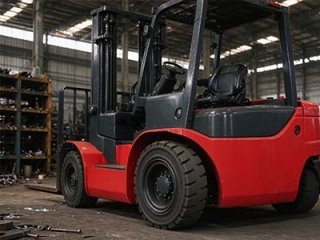 Solid Forklift Tire vs Pneumatic Tire, What Are Their DifferencesSolid and pneumatic forklift tires each suit different ground conditions. Wrong choice affects stability, energy consumption and long-term maintenance costs.
Do you like ?0
Read more -
 One-Stop Export Service for Lithium Electric ForkliftLifting chains of semi-electric stackers bear heavy loads. Jerking and noise often come from dirt and poor lubrication. Clean, lubricate and check tension regularly.
Do you like ?0
Read more -
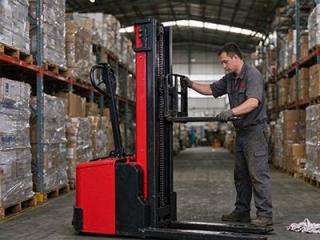 How to Fix Stuck Lifting of Semi-Electric Stacker by Chain MaintenanceLifting chains of semi-electric stackers bear heavy loads. Jerking and noise often come from dirt and poor lubrication. Clean, lubricate and check tension regularly.
Do you like ?0
Read more








