
Why Internal Combustion Forklifts Are the Top Choice for Construction Projects?
Many people think of heavy-duty four-wheel drive forklifts when talking about construction material handling. In fact, these rugged machines are mostly fuel-powered, with diesel engines being the most common option. Why are construction internal combustion forklifts widely preferred in the construction industry? Understanding this key question will help you make smarter decisions for on-site operations and bring unexpected practical benefits.
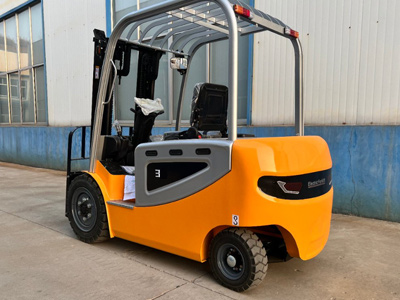
Most construction sites feature rough ground, mud, gravel, slopes, and uneven surfaces instead of paved roads. Electric forklifts are vulnerable to water, dust, and vibration, which can drastically shorten the service life of batteries and motors. In contrast, diesel-powered models deliver outstanding durability and stability in harsh environments.
The advantages of a high-power diesel forklift are extremely obvious on construction sites. When transporting heavy materials such as cement, bricks, and steel pipes, it ensures efficient and stable operation. It fully meets heavy-duty loading requirements, provides strong initial power, and performs safely and smoothly on ramps.
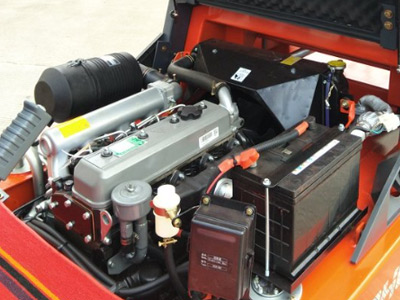
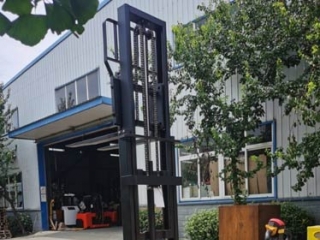
Even if you are not fully familiar with this type of equipment, it is highly recommended for anyone in the construction sector. The 3-ton standard internal combustion forklift is one of the most popular and versatile models available. It perfectly matches the material handling needs of construction sites and can also be widely used in brick factories, steel plants, logistics parks, and other working scenarios.
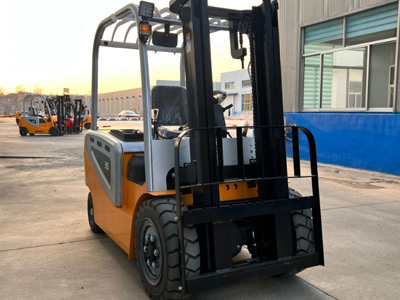
In short, you now have a clear understanding of the working conditions and applications of construction internal combustion forklifts. If you have any further questions or need more details about suitable models, feel free to leave a comment and let us know!
-
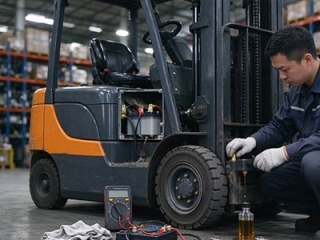 Reliability Of Newnewton Warehouse Forklifts For Heavy-Duty ShiftsWarehouse forklift reliability relies on industrial parts, reinforced frames and factory durability tests. Proper operation and maintenance reduce unexpected downtime.
Do you like ?0
Read more -
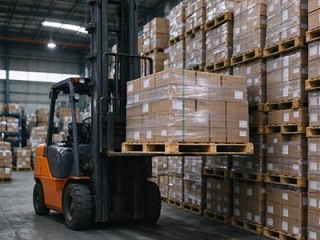 Forklift Configuration Strategy For Dense Warehousing, Warehouse ForkliftDense warehousing needs matched forklifts besides racks. Reach and trilateral stackers fit different layouts, coordinate aisle, load curve and floor for smooth handling.
Do you like ?0
Read more -
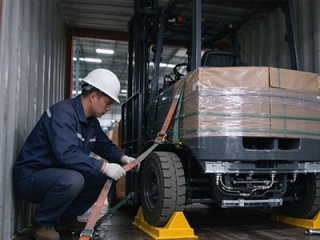 Full Container Supply For Export Forklifts, Forklift ManufacturerBulk forklift orders for overseas can ship by FCL or LCL. Newnewton FCL offers stable freight, safer packing and mixed models for large purchases.
Do you like ?0
Read more -
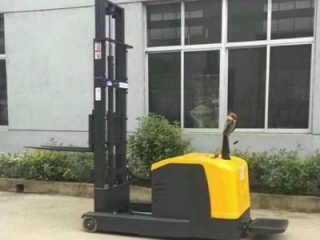 Stand-on Reach Stacker For Narrow Aisle Stacking, Mast Reach StructureStand-on reach stackers feature sliding masts that stay outside racks. They boost storage density in narrow aisles and require flat floors and standard pallets.
Do you like ?0
Read more -
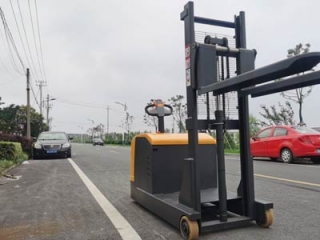 Stand-on Counterbalance Stacker For Various Pallets, Why No Leg RestrictionCounterbalance stackers have no front outriggers, using rear counterweight to avoid pallet interference. They fit various odd pallets yet need wider warehouse aisles.
Do you like ?0
Read more -
 Custom Walk-Behind Counterbalance Stacker | Non-Standard ModificationsStandard walk-behind counterbalance stackers struggle with non-standard pallets and tight aisles. Customize load, lift, forks and structure, share working conditions for safe design.
Do you like ?0
Read more








