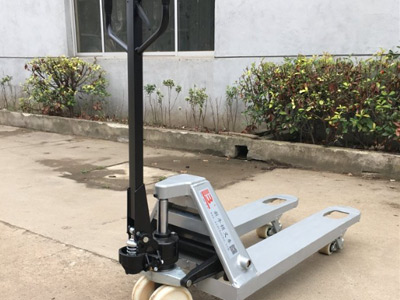
A healthy hydraulic system is essential for a manual hydraulic pallet jack; any hydraulic failure will directly affect its lifting performance. Low pressure in manual pallet jack is a common issue many users face, so what should you do when it happens? Below are the most frequent causes to help you quickly diagnose and fix hydraulic problems.
1. Low or Contaminated Hydraulic Oil
Symptoms: Light pumping, slow lifting, or no lifting at all.
Hydraulic oil level drops or air enters the system over time.
Oil becomes dirty, emulsified, or degraded, resulting in insufficient pressure.
2. Worn or Leaking Seals
Symptoms: Gradual loss of pressure, weak lifting, and visible oil leakage.
Piston seals age, wear, or deform.
Cylinders of the manual pallet jack develop seepage or dripping.
3. Misaligned Release Valve or Handle
Symptoms: No lifting or sudden pressure loss after slight lifting.
Handle not fully returned to the lifting position.
Release valve stuck or weak spring tension.
4. Worn Pump Core or Internal Pressure Loss
Symptoms: Normal lifting when empty, no pressure under load.
Internal sealing surfaces wear out and fail to hold pressure.
Lifts well without load but cannot raise heavy loads.
5. Air Entering or Clogged Hydraulic Lines
Symptoms: Jerky lifting, unstable pressure, and uneven height.
Dirt blocks the hydraulic lines.
Air enters the cylinder or pump body.
Filter or hydraulic passages are clogged.
In conclusion, you can troubleshoot your manual pallet jack by checking the five situations above. If you still cannot identify the problem, it may be more complex, and professional repair service is recommended.
-
 Reliability Of Newnewton Warehouse Forklifts For Heavy-Duty ShiftsWarehouse forklift reliability relies on industrial parts, reinforced frames and factory durability tests. Proper operation and maintenance reduce unexpected downtime.
Do you like ?0
Read more -
 Forklift Configuration Strategy For Dense Warehousing, Warehouse ForkliftDense warehousing needs matched forklifts besides racks. Reach and trilateral stackers fit different layouts, coordinate aisle, load curve and floor for smooth handling.
Do you like ?0
Read more -
 Full Container Supply For Export Forklifts, Forklift ManufacturerBulk forklift orders for overseas can ship by FCL or LCL. Newnewton FCL offers stable freight, safer packing and mixed models for large purchases.
Do you like ?0
Read more -
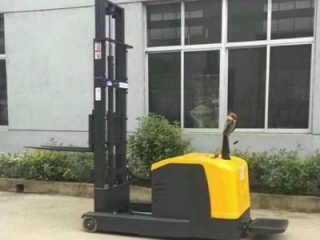 Stand-on Reach Stacker For Narrow Aisle Stacking, Mast Reach StructureStand-on reach stackers feature sliding masts that stay outside racks. They boost storage density in narrow aisles and require flat floors and standard pallets.
Do you like ?0
Read more -
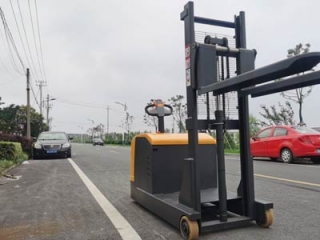 Stand-on Counterbalance Stacker For Various Pallets, Why No Leg RestrictionCounterbalance stackers have no front outriggers, using rear counterweight to avoid pallet interference. They fit various odd pallets yet need wider warehouse aisles.
Do you like ?0
Read more -
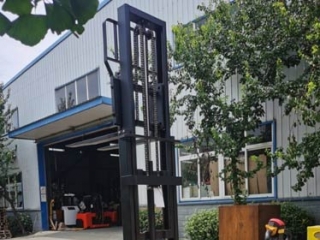 Custom Walk-Behind Counterbalance Stacker | Non-Standard ModificationsStandard walk-behind counterbalance stackers struggle with non-standard pallets and tight aisles. Customize load, lift, forks and structure, share working conditions for safe design.
Do you like ?0
Read more