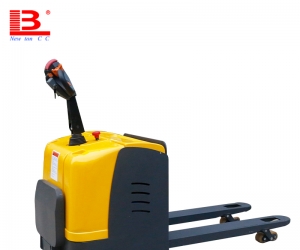
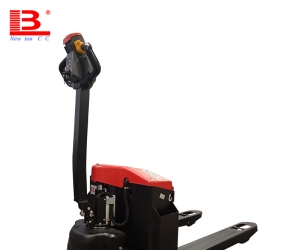
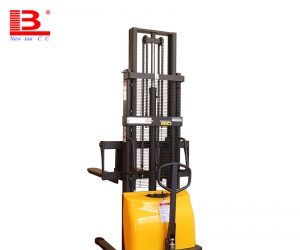
Low-cost Manual Hydraulic Stacker For Small Warehouse Loading Work
Small and micro enterprises looking to boost warehouse stacking efficiency with limited budgets have an ideal solution: the Manual Hydraulic Stacker. It features affordable pricing, rugged durability and ultra-low maintenance costs. Even new operators can master operation within minutes after reading the instruction manual.
If you wonder whether a Manual Lifting Stacker fits your business, read on to explore its core strengths and check compatibility with your warehouse conditions.
No Power Supply Restrictions, Works Anywhere Anytime
The Manual Hydraulic Stacker has no motors, lithium batteries or controllers. It operates purely via hydraulic mechanical structures with no need for power sockets or dedicated charging zones. It works flawlessly in basements, lofts, temporary outdoor construction sites, exhibition loading zones and factories with power rationing or blackouts. It also serves as emergency backup for electric stackers to handle sudden power outages halting cargo handling.
Compact Lightweight Body, Flexible Maneuvering In Tight Spaces
This manual stacker adopts a lightweight narrow frame with an ultra-small turning radius, enabling smooth cargo movement in densely racked small warehouses, narrow store aisles and low-rise lofts. Light overall weight allows one-person pushing and pulling. Standard silent anti-slip PU wheels deliver quiet movement without scratching epoxy floors or ceramic tiles, making it safe for food workshops, cosmetic clean storage and retail boutiques.
Ultra-low Procurement & Maintenance Costs, Great Long-term Savings
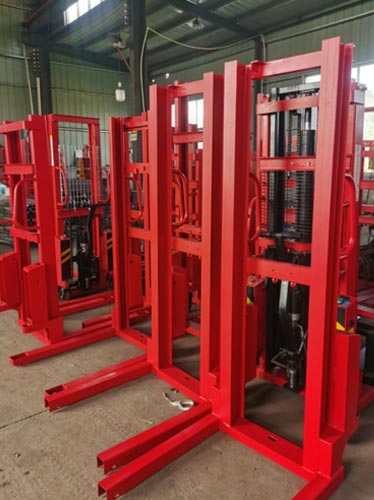
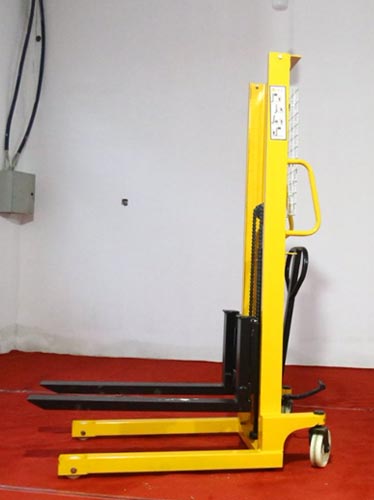
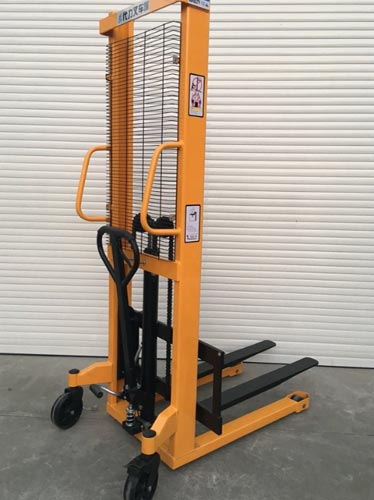
For the same load capacity, the Manual Hydraulic Stacker costs only one-third of lithium electric stackers, cutting upfront investment pressure. Its simple structure consists of just core parts: hydraulic pump, lifting cylinder, load chain, travel wheels and manganese steel frame, with very few wearable components. There are no expensive repair fees from degraded batteries, electric control breakdowns or burnt motors. Daily maintenance only involves regular greasing of pins and chains plus quick checks for cylinder oil seal leakage, bringing nearly zero upkeep costs for budget-conscious businesses.
Suitable Scenarios for Purchasing Manual Hydraulic Stacker
Neighborhood convenience stores, small hardware workshops and individual e-commerce warehouses with light-volume daily stacking of lightweight goods
Power-free basements, loft storage, temporary construction sites and short-term exhibition loading points
Short-term transitional use, no intention of heavy investment in electric warehouse equipment
Low-frequency transport of factory samples and small spare parts with sufficient manual labor and light workloads
Unsuitable Working Conditions
Large and medium logistics warehouses or processing plants with high-frequency, mass daily stacking
Frequent transport of goods over 2 tons or stacking on racks higher than 3 meters
Operations requiring long-term suspended cargo storage, sites prioritizing labor-saving high efficiency and reduced manpower costs
In summary, this cost-effective, user-friendly and low-failure Manual Loading & Stacking Equipment boosts warehouse efficiency to match most small-scale handling demands. Contact us for quotations if you are interested!
-
 Reliability Of Newnewton Warehouse Forklifts For Heavy-Duty ShiftsWarehouse forklift reliability relies on industrial parts, reinforced frames and factory durability tests. Proper operation and maintenance reduce unexpected downtime.
Do you like ?0
Read more -
 Forklift Configuration Strategy For Dense Warehousing, Warehouse ForkliftDense warehousing needs matched forklifts besides racks. Reach and trilateral stackers fit different layouts, coordinate aisle, load curve and floor for smooth handling.
Do you like ?0
Read more -
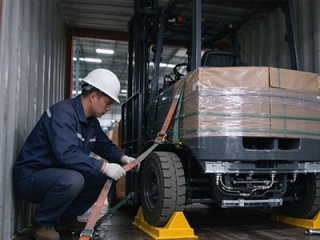 Full Container Supply For Export Forklifts, Forklift ManufacturerBulk forklift orders for overseas can ship by FCL or LCL. Newnewton FCL offers stable freight, safer packing and mixed models for large purchases.
Do you like ?0
Read more -
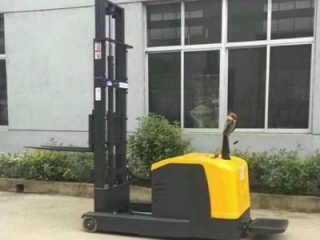 Stand-on Reach Stacker For Narrow Aisle Stacking, Mast Reach StructureStand-on reach stackers feature sliding masts that stay outside racks. They boost storage density in narrow aisles and require flat floors and standard pallets.
Do you like ?0
Read more -
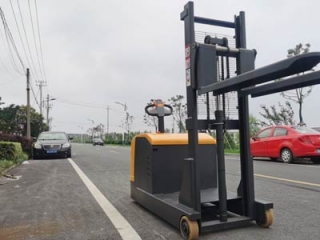 Stand-on Counterbalance Stacker For Various Pallets, Why No Leg RestrictionCounterbalance stackers have no front outriggers, using rear counterweight to avoid pallet interference. They fit various odd pallets yet need wider warehouse aisles.
Do you like ?0
Read more -
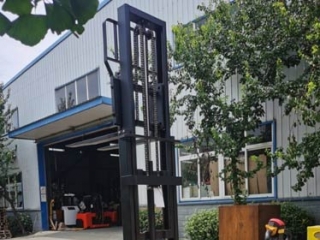 Custom Walk-Behind Counterbalance Stacker | Non-Standard ModificationsStandard walk-behind counterbalance stackers struggle with non-standard pallets and tight aisles. Customize load, lift, forks and structure, share working conditions for safe design.
Do you like ?0
Read more