
6-step Standard Operation Guide for Manual Hydraulic Pallet Truck
Operators often underestimate risks of Manual Hydraulic Pallet Truck, thinking manual hand control brings no danger. Improper operation will easily cause sudden breakdowns. Master these six standard operating steps to extend service life and cut maintenance cost.
Step 1 Pre-operation Full Inspection
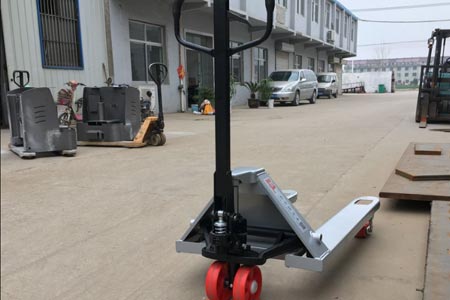
Walk around the truck to check forks and frame for bending or deformation. Remove straps, iron wires and debris wrapped in wheels. Pump the handle repeatedly to test lifting and lowering sensitivity; check oil leakage on hydraulic cylinder and pipe joints. Reject cracked or damaged pallets to eliminate hidden dangers in advance.
Step 2 Align & Insert Pallet
Lower forks to the minimum height, push the truck gently and insert two forks fully and centrally under the pallet until fork tips reach the inner edge. Never single-side or half insertion, which shifts gravity and leads to rollover under heavy load.
Step 3 Hydraulic Lifting of Cargo
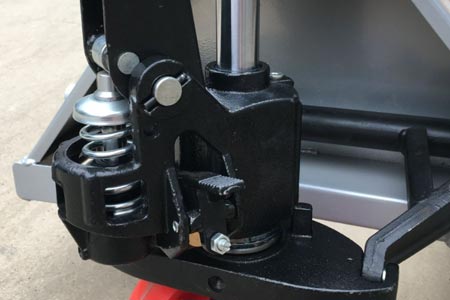
Hold the operating handle and pump steadily to lift forks slowly until goods clear the ground. Avoid violent pumping. Watch cargo balance all the time; no eccentric load or overloading allowed before moving.
Step 4 Smooth Transit & Travel
Control low speed inside warehouse aisles, crowded zones and corners. Do not carry passengers. Control downhill speed via reverse handle resistance instead of free sliding. Slow down over gaps, thresholds and uneven floors to reduce impact on wheels and frame.
Step 5 Unload & Lower Forks at Designated Spot
After transporting goods to the target area, make sure no people or obstacles nearby. Flip the release valve gently to lower forks evenly and set pallet fully on ground. Pull out forks only after all weight transfers to the pallet; never drag truck with suspended cargo.
Step 6 Clean & Store After Work
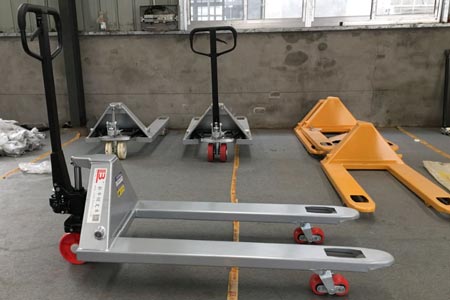
Clear residual debris on forks and wheels, recheck hydraulic system for faults. Lower forks completely and park the Manual Hydraulic Pallet Truck in designated storage zone without blocking main passageways for tidy warehouse and easy next use.
In short, strictly following the complete Standard Operating Procedure For Manual Pallet Truck reduces failure rate, prolongs equipment lifespan and lowers long-term expenditure while improving warehouse handling efficiency.
-
 Reliability Of Newnewton Warehouse Forklifts For Heavy-Duty ShiftsWarehouse forklift reliability relies on industrial parts, reinforced frames and factory durability tests. Proper operation and maintenance reduce unexpected downtime.
Do you like ?0
Read more -
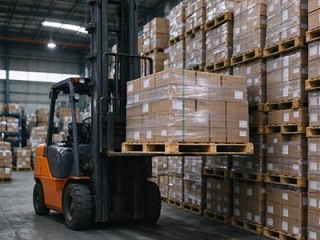 Forklift Configuration Strategy For Dense Warehousing, Warehouse ForkliftDense warehousing needs matched forklifts besides racks. Reach and trilateral stackers fit different layouts, coordinate aisle, load curve and floor for smooth handling.
Do you like ?0
Read more -
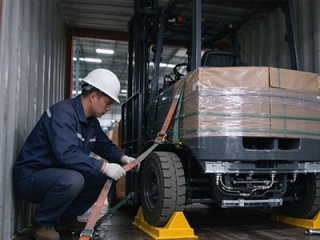 Full Container Supply For Export Forklifts, Forklift ManufacturerBulk forklift orders for overseas can ship by FCL or LCL. Newnewton FCL offers stable freight, safer packing and mixed models for large purchases.
Do you like ?0
Read more -
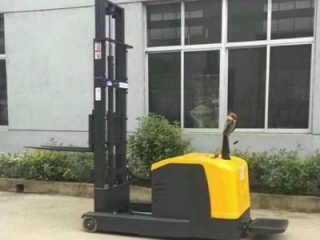 Stand-on Reach Stacker For Narrow Aisle Stacking, Mast Reach StructureStand-on reach stackers feature sliding masts that stay outside racks. They boost storage density in narrow aisles and require flat floors and standard pallets.
Do you like ?0
Read more -
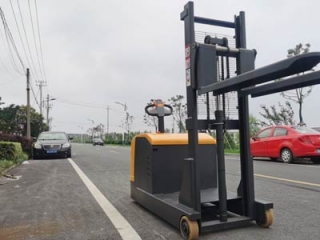 Stand-on Counterbalance Stacker For Various Pallets, Why No Leg RestrictionCounterbalance stackers have no front outriggers, using rear counterweight to avoid pallet interference. They fit various odd pallets yet need wider warehouse aisles.
Do you like ?0
Read more -
 Custom Walk-Behind Counterbalance Stacker | Non-Standard ModificationsStandard walk-behind counterbalance stackers struggle with non-standard pallets and tight aisles. Customize load, lift, forks and structure, share working conditions for safe design.
Do you like ?0
Read more








