Is Stand-on Reach Stacker Prone To Breakdown? 3 Core Protection Designs
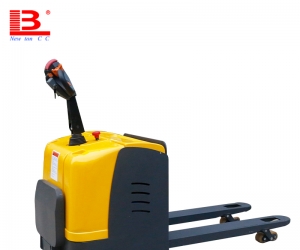
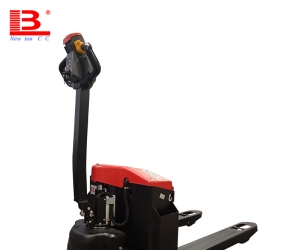
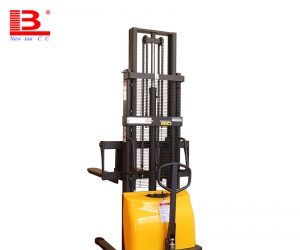
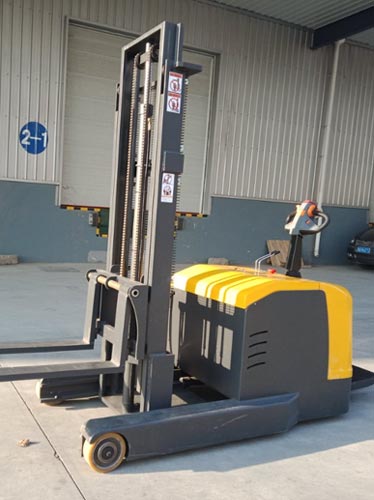
Looking for reliable stacking equipment for narrow aisles and high-intensity storage work? Electric reach stacker is your ideal option. Many warehouse owners ask: Is Stand-on Reach Stacker Prone To Breakdown? This full electric stand-on reach truck is built to withstand heavy workloads with three professional protection systems that drastically cut failure rates.
1. Overload & Sealing Protection for Hydraulic System, Prevent Oil Leakage & Cylinder Damage
Lifting cylinders are fitted with double-layer wear-resistant sealing rings and integrated forged cylinder barrels to stop oil seepage under high pressure. An independent overload relief valve locks the hydraulic circuit automatically when overloaded, forbidding further lifting to avoid bent masts and burst hoses. This design eliminates around 80% common faults like oil leakage and cylinder deformation, cutting frequent replacement cost of oil seals and hydraulic pipes.
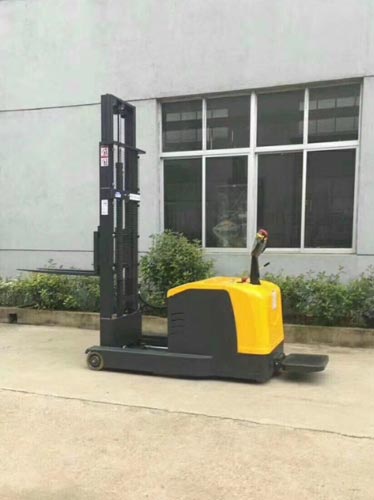
2. Waterproof, Dustproof & Heat Dissipation Protection for Electric Control System to Avoid Circuit Shortage
All controllers and wiring are wrapped with thick corrugated tubes, and the control box adopts fully sealed dust-proof structure. It prevents dust buildup and short circuits in dusty warehouses with sharp temperature difference. Separate cooling channels inside drive & steering motors sustain 8-hour full-load continuous operation and avoid burnout caused by overheating. Built-in fault warning lights alert operators early about abnormal voltage or loose wiring. Minor issues can be fixed timely to save expensive replacement of motors and main controllers.
3. Wear-resistant Mechanical Protection for Retractable Mast to Slow Down Roller & Chain Wear
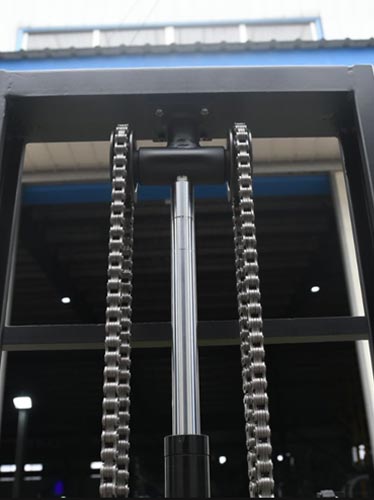
Extension rollers of the reach mast are made of alloy steel with self-lubricating pre-greased bearings, reducing frequent refueling needs. Built-in limit buffer pads absorb harsh impact when forks lift/lower and the mast stretches/retracts, preventing roller cracking and chain deformation. Ordinary reach trucks require monthly roller inspection and replacement, while models with this mechanical protection extend spare part service cycle three times, lowering purchasing frequency of wearing parts.
All three core protection features of the Full Electric Stand-on Reach Stacker are developed based on real warehouse working conditions and historical failure data. It delivers low breakdown rate, high cost performance and stable operation for long-term narrow aisle stacking tasks.
-
 Reliability Of Newnewton Warehouse Forklifts For Heavy-Duty ShiftsWarehouse forklift reliability relies on industrial parts, reinforced frames and factory durability tests. Proper operation and maintenance reduce unexpected downtime.
Do you like ?0
Read more -
 Forklift Configuration Strategy For Dense Warehousing, Warehouse ForkliftDense warehousing needs matched forklifts besides racks. Reach and trilateral stackers fit different layouts, coordinate aisle, load curve and floor for smooth handling.
Do you like ?0
Read more -
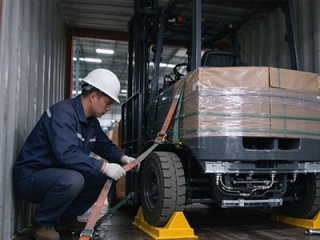 Full Container Supply For Export Forklifts, Forklift ManufacturerBulk forklift orders for overseas can ship by FCL or LCL. Newnewton FCL offers stable freight, safer packing and mixed models for large purchases.
Do you like ?0
Read more -
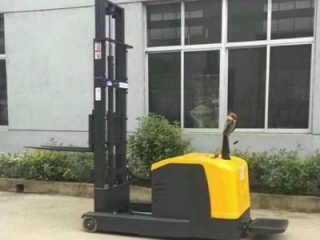 Stand-on Reach Stacker For Narrow Aisle Stacking, Mast Reach StructureStand-on reach stackers feature sliding masts that stay outside racks. They boost storage density in narrow aisles and require flat floors and standard pallets.
Do you like ?0
Read more -
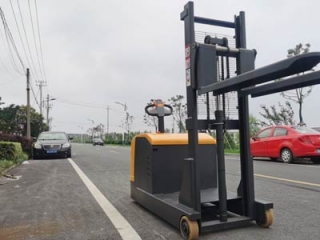 Stand-on Counterbalance Stacker For Various Pallets, Why No Leg RestrictionCounterbalance stackers have no front outriggers, using rear counterweight to avoid pallet interference. They fit various odd pallets yet need wider warehouse aisles.
Do you like ?0
Read more -
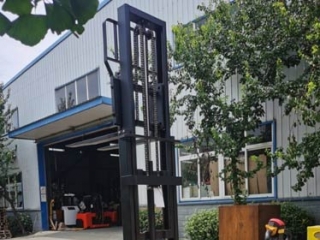 Custom Walk-Behind Counterbalance Stacker | Non-Standard ModificationsStandard walk-behind counterbalance stackers struggle with non-standard pallets and tight aisles. Customize load, lift, forks and structure, share working conditions for safe design.
Do you like ?0
Read more