Maintenance of electric forklift charger
1. Please wipe the electric forklift charger with a dry cloth or anti-static cloth to keep it clean
2. The charger must prevent strong impact or exposure to high temperature and humidity
3. It is forbidden to charge non-rechargeable batteries
4. It is forbidden to disassemble the charger without authorization
5. The charger should be placed vertically and placed in a dry and ventilated environment to avoid moisture and keep away from flammable and explosive materials
6. After the electric forklift battery is fully charged, disconnect the input AC power first, and then disconnect the charger from the battery
7. Do not cover the charger when charging, and the ambient temperature should not exceed 40℃
8. Do not use chemical or abrasive cleaning agents, so as not to damage the shell
9. This charger is for indoor use only, beware of rain
10. It is forbidden to charge non-rechargeable batteries
11. The AC power supply must be disconnected when no one is in use or the AC power supply is not used for a long time
12. The interval between two starts is not less than 10 seconds (cut off the input power)
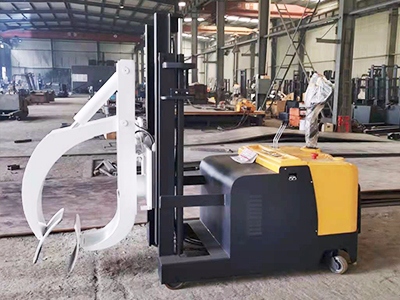
Precautions for the use of electric forklift chargers
1. The battery polarity cannot be reversed, otherwise the smart charger and battery will be damaged. The smart charger should be installed in a special place with good ventilation, dryness, no serious dust, no corrosive gas, and no strong electromagnetic field interference. The cabinet should be grounded reliably (there is a grounding bolt at the bottom of the back of the cabinet).
2. The smart charger is suitable for indoor and outdoor use, and cannot enter the machine without water.
3. The input power of the smart charger is two-phase 380V±5%, 50HZ, and the input line cross-section is not less than 62.
4. The output line should be selected according to the distance, and the total voltage drop of the line should not exceed 5%.
5. The smart charger is suitable for ambient temperature of -10℃~50℃ and altitude below 1000 meters. When the machine is in use, the distance from the surrounding walls that affect its ventilation and heat dissipation should be greater than 0.6 meters. Regularly check whether the fan is operating normally.
6. When charging the electric forklift, plug in the battery plug first, and then turn on the power. After charging is complete, first cut off the power supply and unplug the battery.
-
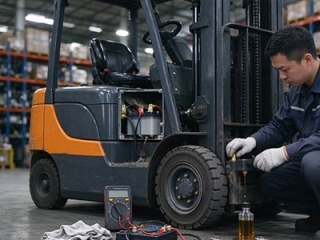 Reliability Of Newnewton Warehouse Forklifts For Heavy-Duty ShiftsWarehouse forklift reliability relies on industrial parts, reinforced frames and factory durability tests. Proper operation and maintenance reduce unexpected downtime.
Do you like ?0
Read more -
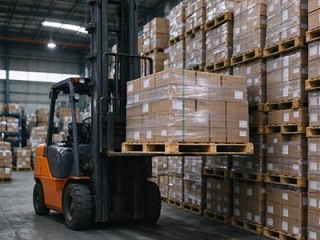 Forklift Configuration Strategy For Dense Warehousing, Warehouse ForkliftDense warehousing needs matched forklifts besides racks. Reach and trilateral stackers fit different layouts, coordinate aisle, load curve and floor for smooth handling.
Do you like ?0
Read more -
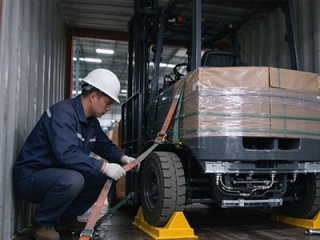 Full Container Supply For Export Forklifts, Forklift ManufacturerBulk forklift orders for overseas can ship by FCL or LCL. Newnewton FCL offers stable freight, safer packing and mixed models for large purchases.
Do you like ?0
Read more -
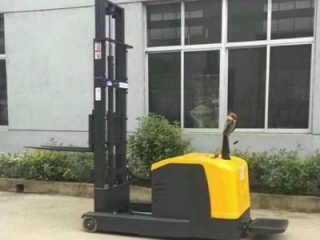 Stand-on Reach Stacker For Narrow Aisle Stacking, Mast Reach StructureStand-on reach stackers feature sliding masts that stay outside racks. They boost storage density in narrow aisles and require flat floors and standard pallets.
Do you like ?0
Read more -
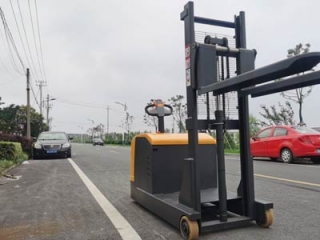 Stand-on Counterbalance Stacker For Various Pallets, Why No Leg RestrictionCounterbalance stackers have no front outriggers, using rear counterweight to avoid pallet interference. They fit various odd pallets yet need wider warehouse aisles.
Do you like ?0
Read more -
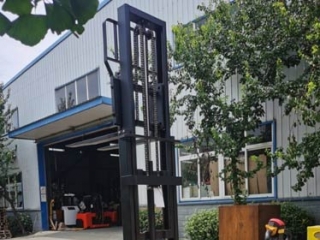 Custom Walk-Behind Counterbalance Stacker | Non-Standard ModificationsStandard walk-behind counterbalance stackers struggle with non-standard pallets and tight aisles. Customize load, lift, forks and structure, share working conditions for safe design.
Do you like ?0
Read more