Precautions for routine maintenance and replacement of forks and chains
In order to ensure the safety of the forklift, in addition to the daily regular maintenance, the safety components of the forklift are also very important. However, it is often overlooked due to the long replacement cycle. Today, we are going to talk about two important components in a forklift truck – the "fork" and the "chain".
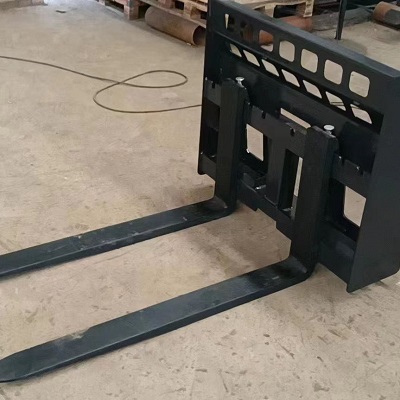
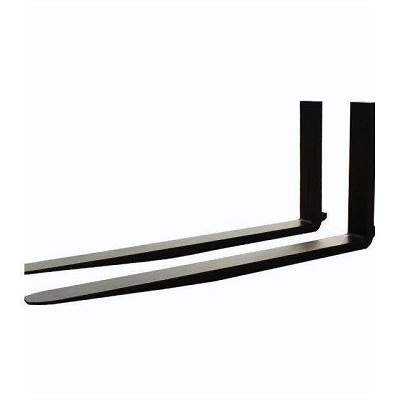
Forks are the hands of the forklift and are responsible for the heavy handling and stacking of materials. Although this pair of iron hands looks strong and heavy, they also need the care and love of the drivers and friends in their daily work. Here are some details to pay attention to in your daily operations:
When parking the forklift, the fork should fall completely to the ground and the mast must lean forward.
When the forklift is driving, the height of the bottom end of the fork from the ground should be kept at 300-400 mm, the mast must be tilted back, and it is forbidden to drag the fork.
It is strictly forbidden to use forks to transport people or lift people to high places.
It is forbidden to walk under the fork in the lifting state.
It is forbidden to fork goods at high speed or use brake inertia to slip away items.
It is forbidden to work with a single fork or use a fork to top or pull objects.
It is forbidden to unload goods by using forks to pick up pallets.
The fork spacing should be adjusted to make the goods placed as smoothly as possible.
Forks need to be replaced in time when the following conditions occur:
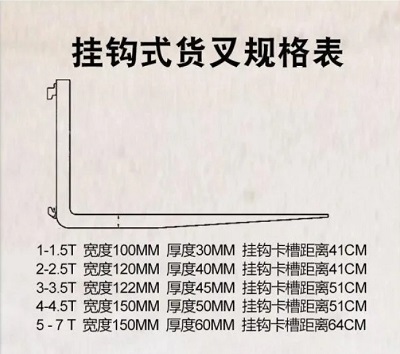
The thickness of the fork root is less than 90% of the original thickness.
Cracks in the fork or a forward tilt angle greater than 90°.
The difference in the tip height between the two forks is more than 3% of the fork length.
If the above situation occurs to the fork, it is important to replace it in time to ensure safety.
The chain is the arm of the forklift, which is responsible for the lifting and unloading of materials. Compared to forks, the structure of the chain is more complex, so it requires more daily maintenance and maintenance. Here are some details to pay attention to in your daily operations:
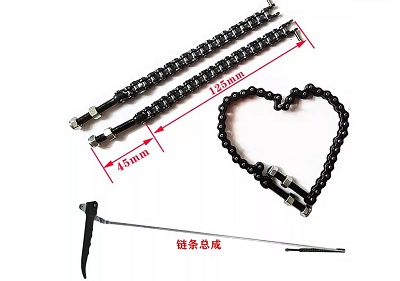
When the mast is lowered to the lowest and tilted back, if the bottom roller of the fork frame is exposed by more than 1/3, the chain screw must be adjusted immediately.
Ensure that the tightness of the lifting chain on both sides is consistent, otherwise the tighter side of the chain bears the main load and is easy to break.
Regularly use chain spray for cleaning and lubrication, and it is strictly forbidden to use butter, otherwise it will cause dust and other substances to stick to the chain and mast and cause wear.
Remove foreign objects from the chain in time and keep it clean, such as rinsing the chain with a high-pressure water gun, and use a high-pressure air gun to remove the water between the chains after rinsing.
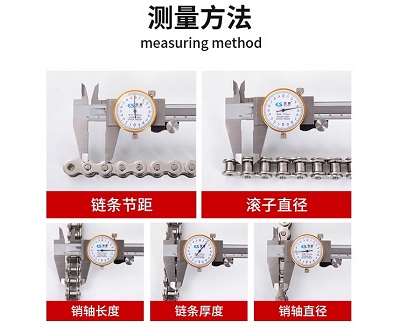
Regularly inspect the chain, the end connection must be firm, not twisted, and the pitch should not exceed 3% of the length.
Please replace the chain in time when the following conditions occur:
Cracks appear in the chains of the chain.
The adjustment screw of the chain has been adjusted to the limit, indicating that the chain has been stretched to the limit.
When the chain ruler detects that the chain elongation exceeds the safe value.
The above are the precautions for the daily maintenance and replacement of forklift forks and chains, hoping to help you ensure the driving safety of forklifts
-
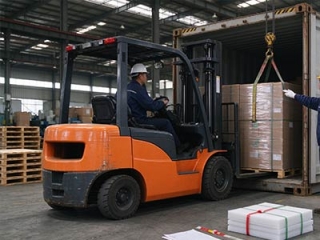 Newnewton Forklift Manufacturer, Forklift CE Certification for ExportNewnewton forklift factory offers full CE certification complying with EN ISO 3691, complete technical documents and OEM service to reduce customs detention risks.
Do you like ?0
Read more -
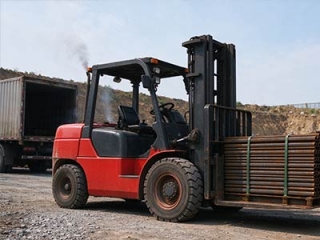 Electric Forklift Vs Diesel Forklift, Warehouse Selection GuideElectric forklift is zero-emission and quiet for indoor clean warehouses. Diesel forklift offers strong power for outdoor heavy-duty tasks.
Do you like ?0
Read more -
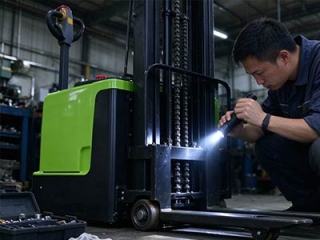 Narrow Aisle Stacker Forklift Custom Manufacturer for WarehouseCustom narrow aisle stacker for non-standard racking. Adjust body, mast and fork specs, upgrade power and protection, site survey available.
Do you like ?0
Read more -
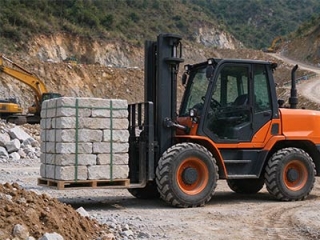 4WD All Terrain Rough Terrain Forklift Climbing for Mountain Sites4WD rough terrain forklift works on unpaved roads. Observe load climbing limit, attachments optional for forest and construction sites.
Do you like ?0
Read more -
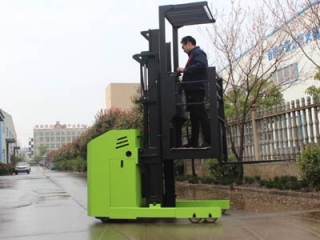 Man-Up Order Picker for High Level Picking, Suitable Warehouse ModesMan-up high level order picker for high-level split picking. Not for full pallet stacking, check rack, aisle and floor before selection.
Do you like ?0
Read more -
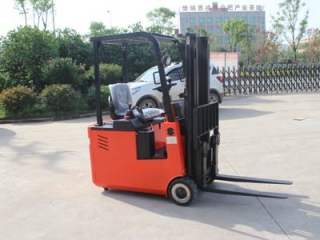 Narrow Aisle Operation Of Three-Wheel Forklift With Compact Turning RadiusThree-point electric forklift features small turning radius for narrow aisles. Reserve safety margin and check floor condition during selection.
Do you like ?0
Read more