Peace of mind in every operation: safety tips for jack-up climbing vehicles
Welcome to use this series of self-elevating cranes. In order to ensure the safety of operation and the normal operation of the equipment, please read this operation manual carefully before use, fully understand and master the safety operation procedures of this machine, and strictly abide by the relevant safety regulations. Autologous climbing car
1.1 Materials and Waste Disposal This product is mainly made of recyclable steel. Waste generated during use, maintenance, cleaning and dismantling must be recycled in accordance with local environmental regulations to prevent environmental pollution. The recycling of waste should be done by professionals in designated areas. Improper disposal of oil drums, batteries or electronic devices can cause serious harm to the environment and human health.
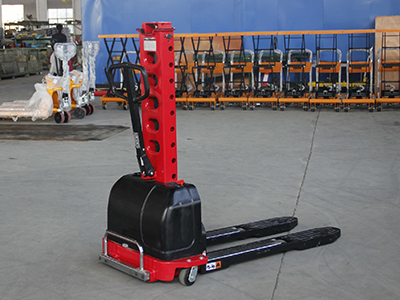
1.2 Equipment function and use This machine is a vertical lifting and stacking equipment, with self-lifting function, suitable for logistics loading and unloading operations carried by specific trucks. Operators should ensure that the goods are stacked stably and remain vigilant during the operation to avoid accidents caused by improper operation.
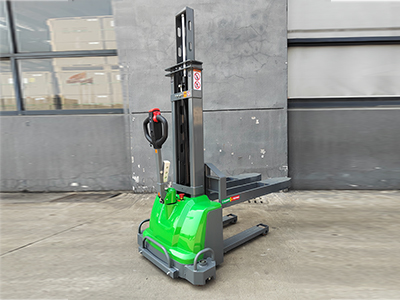
1.3 Responsibilities of the operator The operator must have relevant operating skills, receive professional training, and be familiar with the operating procedures. It is strictly forbidden for unauthorized persons to operate the equipment. The operator should hold a valid special equipment operation certificate, and conduct equipment inspection before operation to ensure that there is no abnormality in each component.
1.4 Scope and Limitations of Use The equipment may only be used for the purposes specified and shall not be used for any other purpose. The user shall ensure that the equipment does not pose a threat to life or health to themselves or others during operation. It is strictly forbidden to use the device in bad weather, uneven ground, or in an environment where there are obstacles.
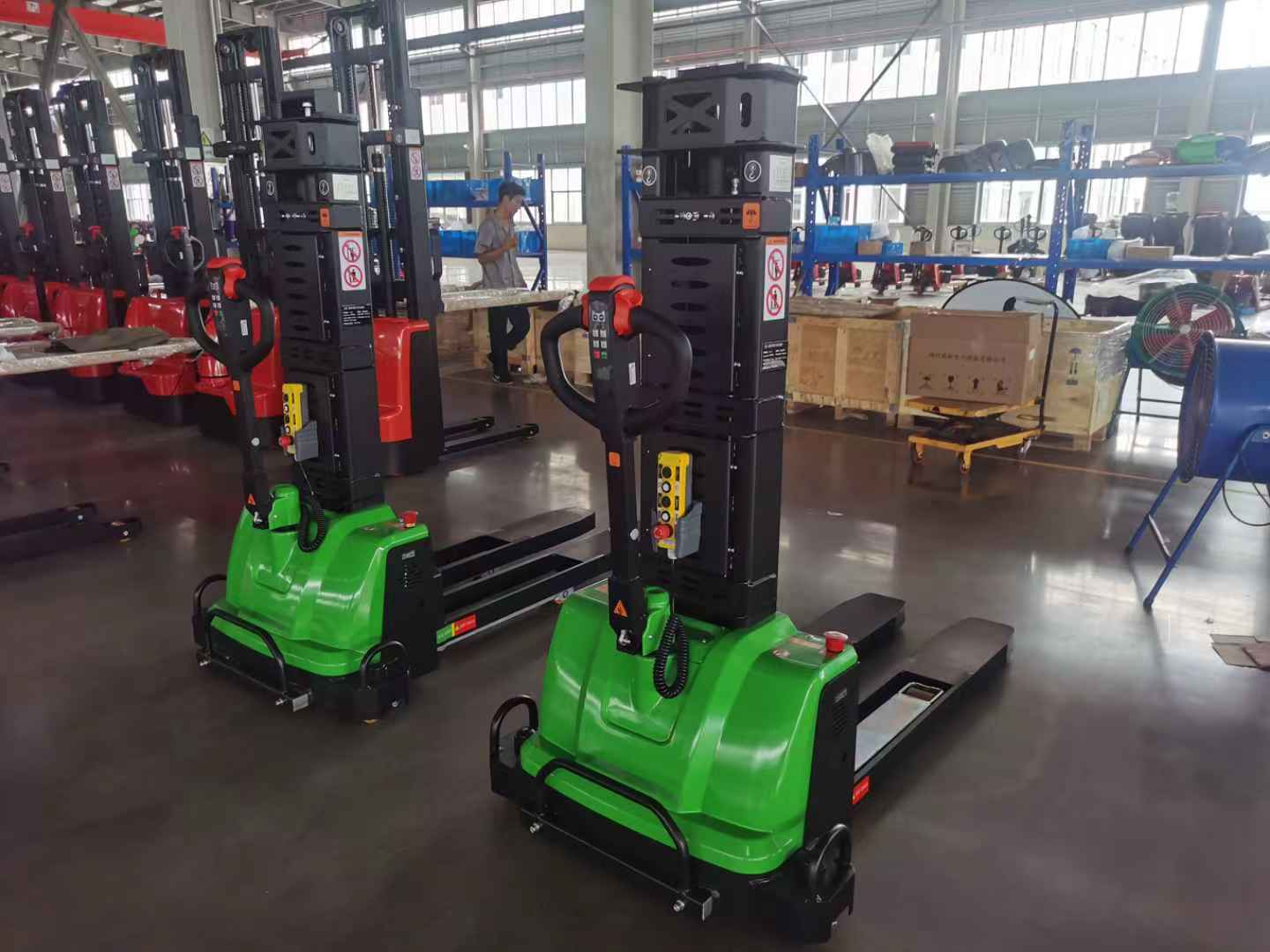
1.5 Equipment damage and maintenance If the equipment is found to be damaged or defective, it should be stopped immediately and reported to the relevant person in charge in time. Equipment that has not been properly maintained, such as worn wheels or brake failures, must not continue to be used. The inspection and maintenance of the equipment should be carried out in strict accordance with the provisions in the manual, and key components such as safety devices should not be replaced without authorization, and only spare parts provided by the manufacturer should be used.
1.6 Inspection and maintenance requirements The inspection and maintenance of the equipment shall be carried out in strict accordance with the provisions in the manual. Critical components such as safety devices should not be replaced without authorization, and only spare parts provided by the manufacturer should be used. Replaced oil and fuel should also be disposed of in accordance with environmental regulations.
1.7 Hazardous Areas and Operating Specifications Hazardous areas include areas where equipment may pose a threat to personnel during operation or lifting, such as cargo drop areas, fork bottoms, etc. It is strictly forbidden to carry people on the fork, it is strictly forbidden to stand at the bottom of the fork, and other personnel should stand outside the operating radius. Trucks should not be parked on slopes and should be parked on hard and flat cement pavement to prevent the equipment from sliding when lifting. Operators must operate from both sides of the equipment and must not use the equipment in an environment that is flammable, explosive, corrosive, rusty, or dusty.
1.8 Equipment Movement and Load RequirementsThe forks should be kept below 300 mm during the movement of the device. The equipment is only used for pallet handling, and all materials must be stacked on pallets steadily, neatly, and evenly, and must not exceed the pallets. The pallet size shall not exceed 800*1150 mm. It is strictly forbidden to directly use the fork to contact the material for handling operations, and it is strictly forbidden to overload and local overload.
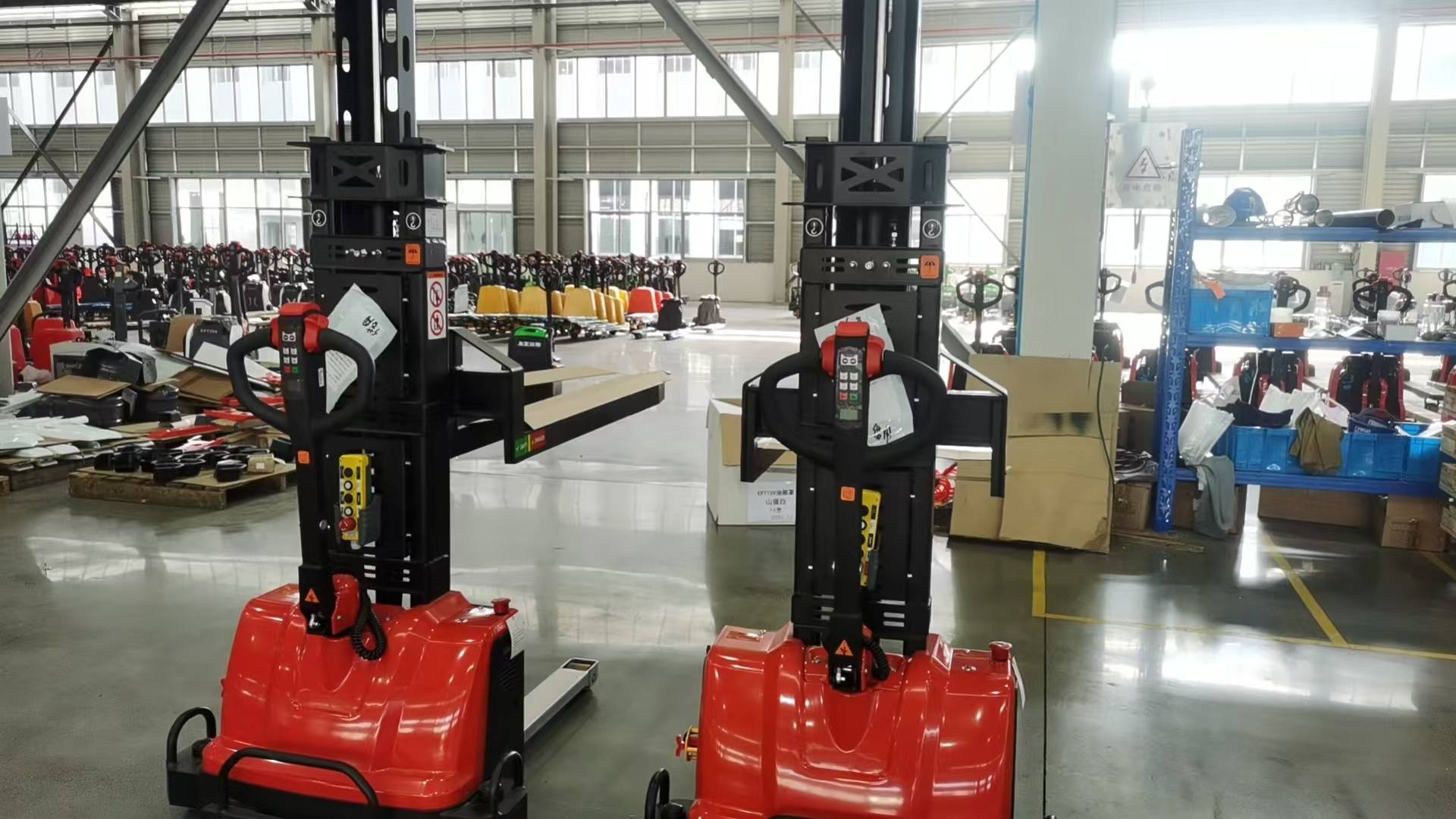
1.9 Ground Loads and Environmental RequirementsWhen operating, check whether the weight and load of the equipment exceed the ground carrying capacity. The equipment should be used in an environment with a temperature of 5°C to 40°C, and special equipment should be used when it is below 5°C. It is strictly forbidden to use outdoors on rainy days.
1.10 Balancing Area and Operating SpecificationsWhen an autologous climbing vehicle lifts and lowers on its own, the trailing edge line of the truck must be within the balance zone of the forklift. The operator should ensure that the equipment is balanced during operation to avoid instability caused by improper operation.
1.11 Device Users and ResponsibilitiesDevice user means a natural or legal person who directly uses or entrusts others to use the device. In special cases, such as rentals, the equipment user representative assumes the corresponding operational obligations according to the terms of the contract.
1.12 Legal & ComplianceThe use of the equipment must strictly comply with relevant national laws and regulations. Any unauthorized use may result in casualties and damage to equipment, resulting in property damage.
1.13 Protective MeasuresProtective footwear that meets the standards must be worn during operation to ensure the safety of operators. Operators should wear necessary protective equipment, such as safety helmets, protective glasses, etc., to prevent accidental injuries.
1.14 Use environment and equipment nameplateAutologous climbing vehicles are suitable for flat, dry, clean solid ground or trucks. The equipment nameplate indicates the maximum capacity, maximum forklift height, motor power, battery capacity, series number and other information. The operator should be familiar with the information on the nameplate of the equipment in order to make correct judgments during operation.
-
 Reliability Of Newnewton Warehouse Forklifts For Heavy-Duty ShiftsWarehouse forklift reliability relies on industrial parts, reinforced frames and factory durability tests. Proper operation and maintenance reduce unexpected downtime.
Do you like ?0
Read more -
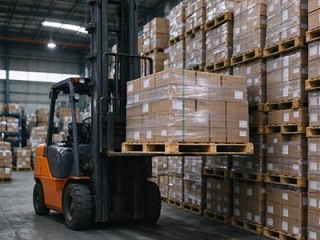 Forklift Configuration Strategy For Dense Warehousing, Warehouse ForkliftDense warehousing needs matched forklifts besides racks. Reach and trilateral stackers fit different layouts, coordinate aisle, load curve and floor for smooth handling.
Do you like ?0
Read more -
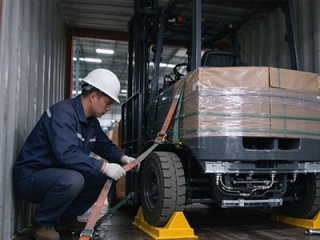 Full Container Supply For Export Forklifts, Forklift ManufacturerBulk forklift orders for overseas can ship by FCL or LCL. Newnewton FCL offers stable freight, safer packing and mixed models for large purchases.
Do you like ?0
Read more -
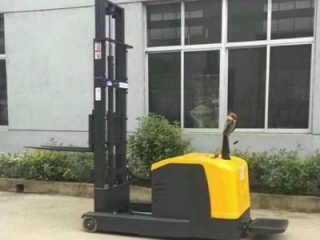 Stand-on Reach Stacker For Narrow Aisle Stacking, Mast Reach StructureStand-on reach stackers feature sliding masts that stay outside racks. They boost storage density in narrow aisles and require flat floors and standard pallets.
Do you like ?0
Read more -
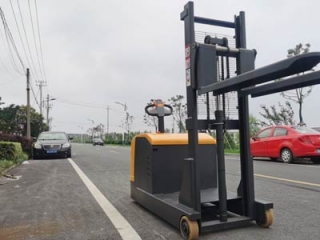 Stand-on Counterbalance Stacker For Various Pallets, Why No Leg RestrictionCounterbalance stackers have no front outriggers, using rear counterweight to avoid pallet interference. They fit various odd pallets yet need wider warehouse aisles.
Do you like ?0
Read more -
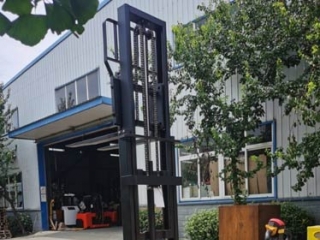 Custom Walk-Behind Counterbalance Stacker | Non-Standard ModificationsStandard walk-behind counterbalance stackers struggle with non-standard pallets and tight aisles. Customize load, lift, forks and structure, share working conditions for safe design.
Do you like ?0
Read more