Is Fuel Forklift Maintenance Cost High | Guide for Private Factories
Many private factory owners struggle with the same question: Should Private Factories Buy Fuel Forklifts. Fuel forklifts feature strong power, straightforward pricing and excellent heavy-load performance, which easily attract many buyers. However, besides the initial purchase price, long-term fuel consumption, repair fees and maintenance costs also matter a lot for overall usage experience.
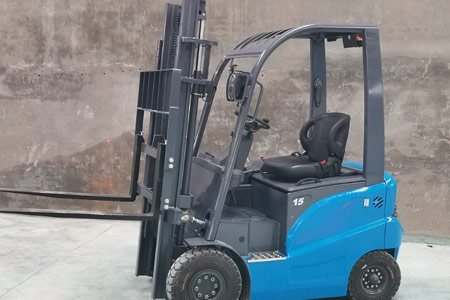
A common concern is Is Fuel Forklift High in Long-Term Maintenance Cost. Compared with electric models, fuel forklifts generally have higher long-term maintenance expenses. Equipped with engines, gearboxes, hydraulic systems and cooling components, they require regular routine upkeep with more mechanical parts to maintain.
Regular maintenance items include engine oil, oil filters, air filters, diesel filters, hydraulic oil and brake fluid replacement. Higher daily operation frequency shortens maintenance cycles and increases overall spending. In addition, continuous diesel or gasoline consumption makes fuel price fluctuations another key factor affecting long-term operating costs.
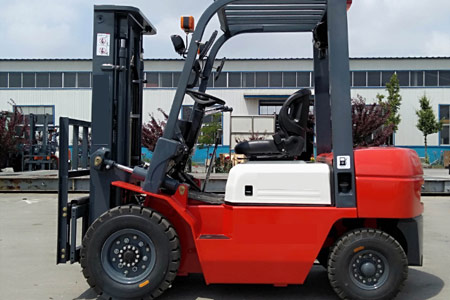
Even with higher maintenance costs, fuel forklifts still have irreplaceable advantages. They deliver powerful traction, excellent climbing performance and long continuous working hours, ideal for outdoor yards, heavy cargo handling and rough ground conditions. Fuel forklifts become the most practical option when the working environment matches their strengths.
Whether a private factory should invest in fuel forklifts depends mainly on three factors.Working environment: Fuel forklifts perform better for outdoor loading, yard transportation and building material factories, supporting high-frequency operation without waiting for charging.Load weight:
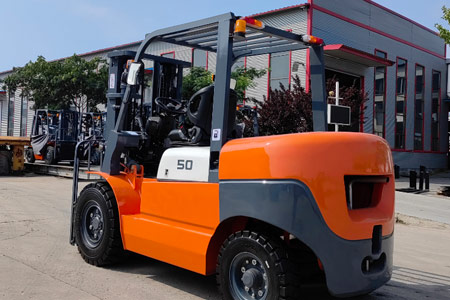
For heavy goods such as steel, stone and large mechanical parts, fuel forklifts offer stronger load capacity and stability for high-intensity handling tasks.Usage frequency: They are perfect for long daily working hours and on-demand operation. For occasional indoor warehouse use, electric forklifts or small stackers are more cost-effective.
In conclusion, fuel forklifts come with higher long-term maintenance costs than electric alternatives. The decision of Should Private Factories Buy Fuel Forklifts depends entirely on actual working conditions. Fuel models are worthy choices if you need strong adaptability for heavy-duty tasks, while electric forklifts bring better efficiency and cost savings for low-intensity warehouse work.
-
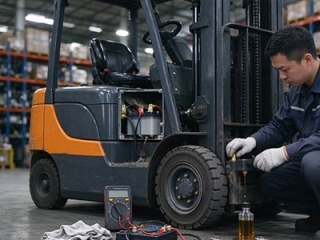 Reliability Of Newnewton Warehouse Forklifts For Heavy-Duty ShiftsWarehouse forklift reliability relies on industrial parts, reinforced frames and factory durability tests. Proper operation and maintenance reduce unexpected downtime.
Do you like ?0
Read more -
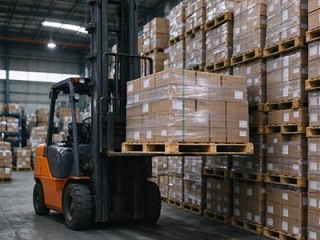 Forklift Configuration Strategy For Dense Warehousing, Warehouse ForkliftDense warehousing needs matched forklifts besides racks. Reach and trilateral stackers fit different layouts, coordinate aisle, load curve and floor for smooth handling.
Do you like ?0
Read more -
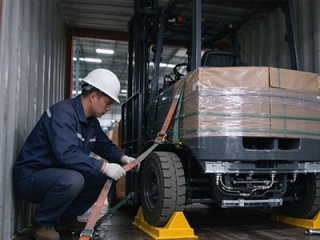 Full Container Supply For Export Forklifts, Forklift ManufacturerBulk forklift orders for overseas can ship by FCL or LCL. Newnewton FCL offers stable freight, safer packing and mixed models for large purchases.
Do you like ?0
Read more -
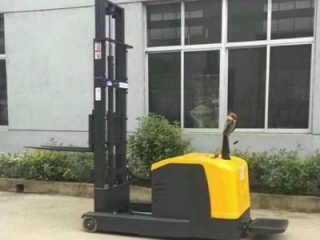 Stand-on Reach Stacker For Narrow Aisle Stacking, Mast Reach StructureStand-on reach stackers feature sliding masts that stay outside racks. They boost storage density in narrow aisles and require flat floors and standard pallets.
Do you like ?0
Read more -
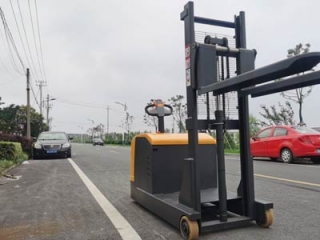 Stand-on Counterbalance Stacker For Various Pallets, Why No Leg RestrictionCounterbalance stackers have no front outriggers, using rear counterweight to avoid pallet interference. They fit various odd pallets yet need wider warehouse aisles.
Do you like ?0
Read more -
 Custom Walk-Behind Counterbalance Stacker | Non-Standard ModificationsStandard walk-behind counterbalance stackers struggle with non-standard pallets and tight aisles. Customize load, lift, forks and structure, share working conditions for safe design.
Do you like ?0
Read more