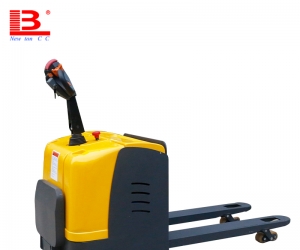
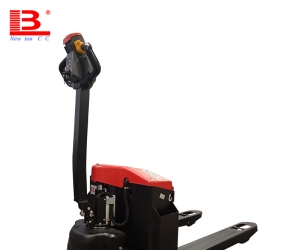
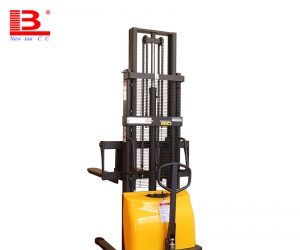
Many small and medium enterprises are looking for affordable handling equipment, and they often care deeply about cost. Today, we share clear and transparent information about semi-electric stacker price in 2026, helping you make the best cost-effective choice.
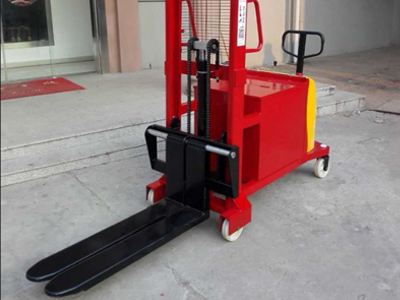
Most buyers focus on getting an economy semi-electric stacker because it balances performance and budget perfectly. Being an economical model, price is naturally a key concern. By understanding the real market price, you can better evaluate overall value and avoid overpaying.
The price range varies widely, usually from $500 to $1500, depending on configuration. Many factors influence the final cost, including brand, production scale, and supply model. Directly sourced from small to mid-sized manufacturers, prices are generally lower, while well-known brands often come with higher premiums.
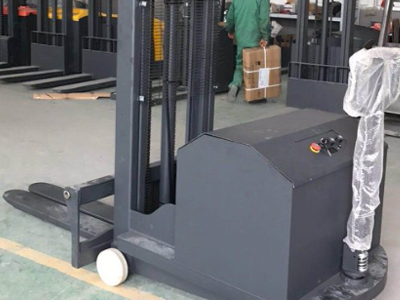
Another major factor is product specification. Before purchasing, you must confirm key parameters such as load capacity, lifting height, and fork size. Buying equipment that does not match your actual needs—such as using a 3-ton machine for 1-ton loads—wastes money and delays workflow.
If you have a limited budget, choosing a reliable medium or small manufacturer is a smart decision. Many have 10 to 20 years of experience and offer stable after-sales service. They provide quality machines at reasonable prices, making the purchasing process smooth and cost-effective.
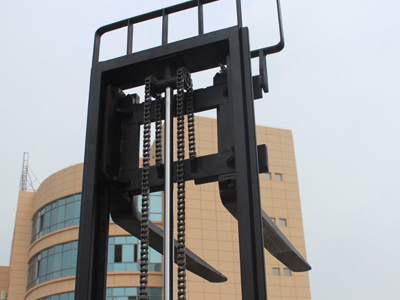
Among popular models, the 1.5 ton semi-electric pallet stacker is widely used and in high demand. Market prices may change over time, so focusing on overall performance, durability, and after-sales support will help you judge true value more accurately.
By understanding specifications, brands, and real market conditions, you can easily find a reliable and cost-efficient solution. Knowing the true semi-electric stacker price helps you invest wisely and improve efficiency in your daily operations.
-
 Reliability Of Newnewton Warehouse Forklifts For Heavy-Duty ShiftsWarehouse forklift reliability relies on industrial parts, reinforced frames and factory durability tests. Proper operation and maintenance reduce unexpected downtime.
Do you like ?0
Read more -
 Forklift Configuration Strategy For Dense Warehousing, Warehouse ForkliftDense warehousing needs matched forklifts besides racks. Reach and trilateral stackers fit different layouts, coordinate aisle, load curve and floor for smooth handling.
Do you like ?0
Read more -
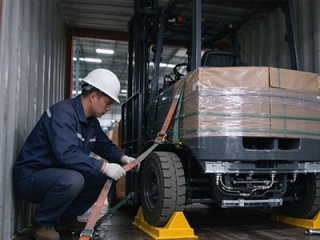 Full Container Supply For Export Forklifts, Forklift ManufacturerBulk forklift orders for overseas can ship by FCL or LCL. Newnewton FCL offers stable freight, safer packing and mixed models for large purchases.
Do you like ?0
Read more -
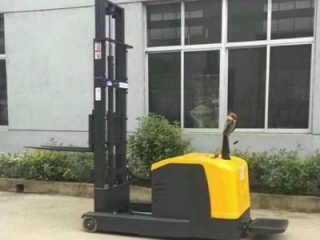 Stand-on Reach Stacker For Narrow Aisle Stacking, Mast Reach StructureStand-on reach stackers feature sliding masts that stay outside racks. They boost storage density in narrow aisles and require flat floors and standard pallets.
Do you like ?0
Read more -
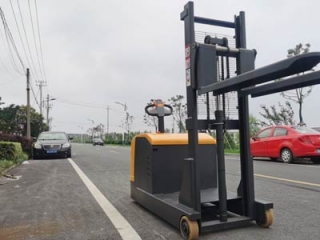 Stand-on Counterbalance Stacker For Various Pallets, Why No Leg RestrictionCounterbalance stackers have no front outriggers, using rear counterweight to avoid pallet interference. They fit various odd pallets yet need wider warehouse aisles.
Do you like ?0
Read more -
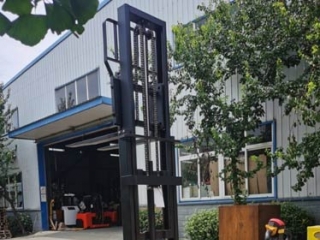 Custom Walk-Behind Counterbalance Stacker | Non-Standard ModificationsStandard walk-behind counterbalance stackers struggle with non-standard pallets and tight aisles. Customize load, lift, forks and structure, share working conditions for safe design.
Do you like ?0
Read more